
Last updated November 23, 2026
 Sweep & inspection
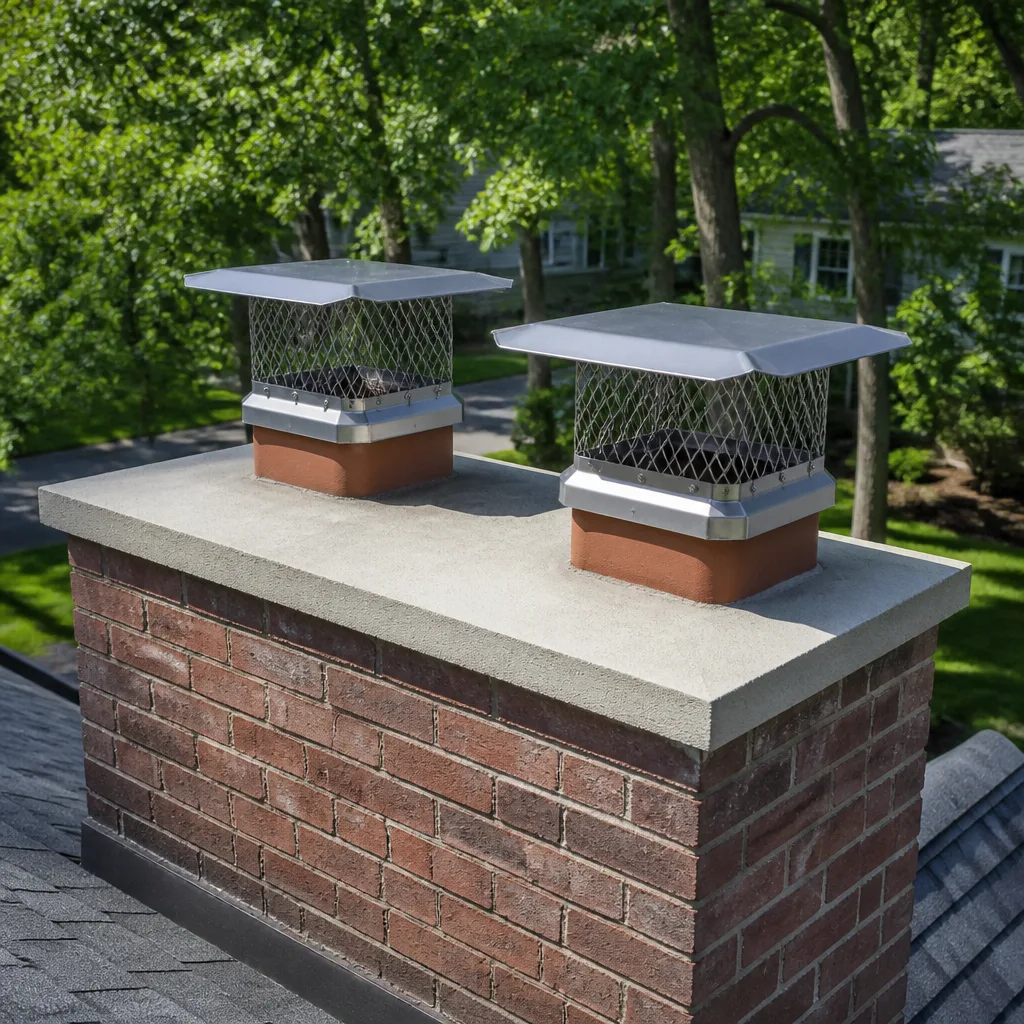 Caps & crowns
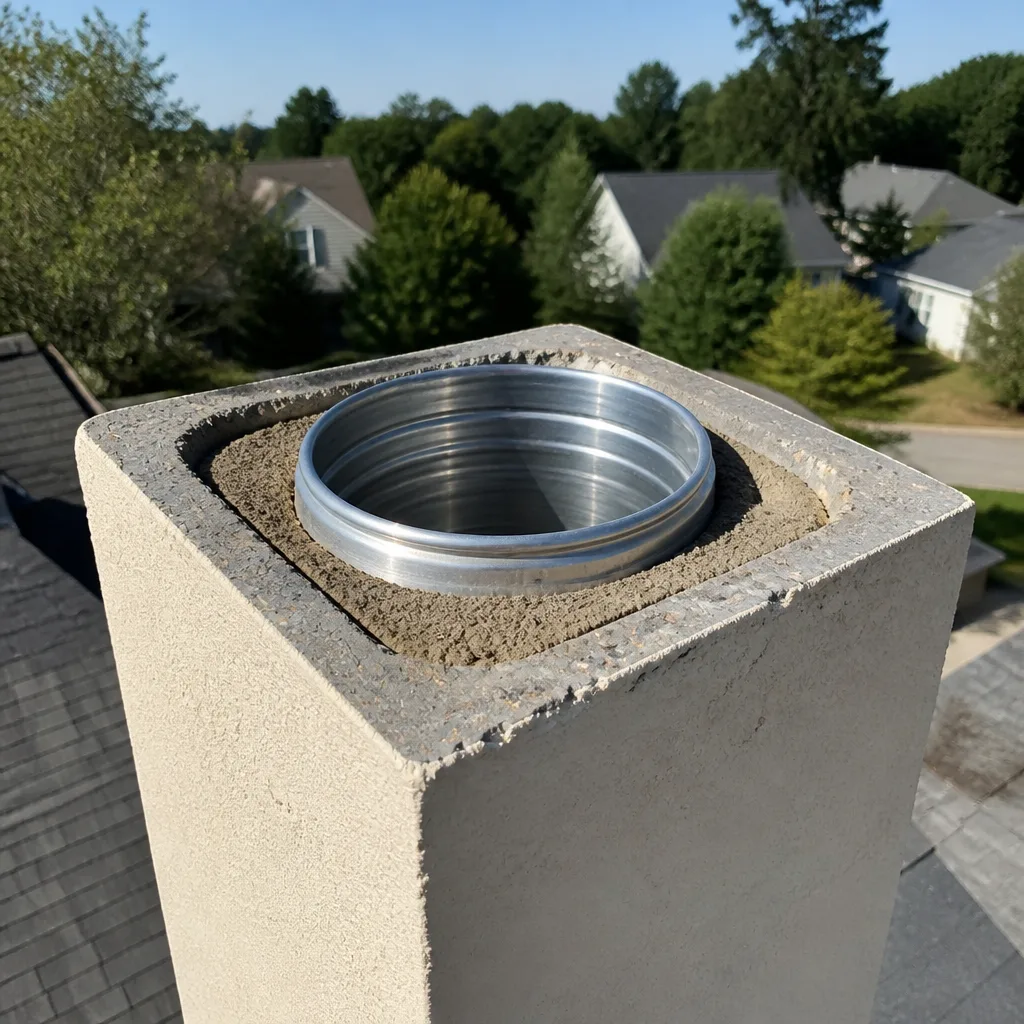 Flue relining
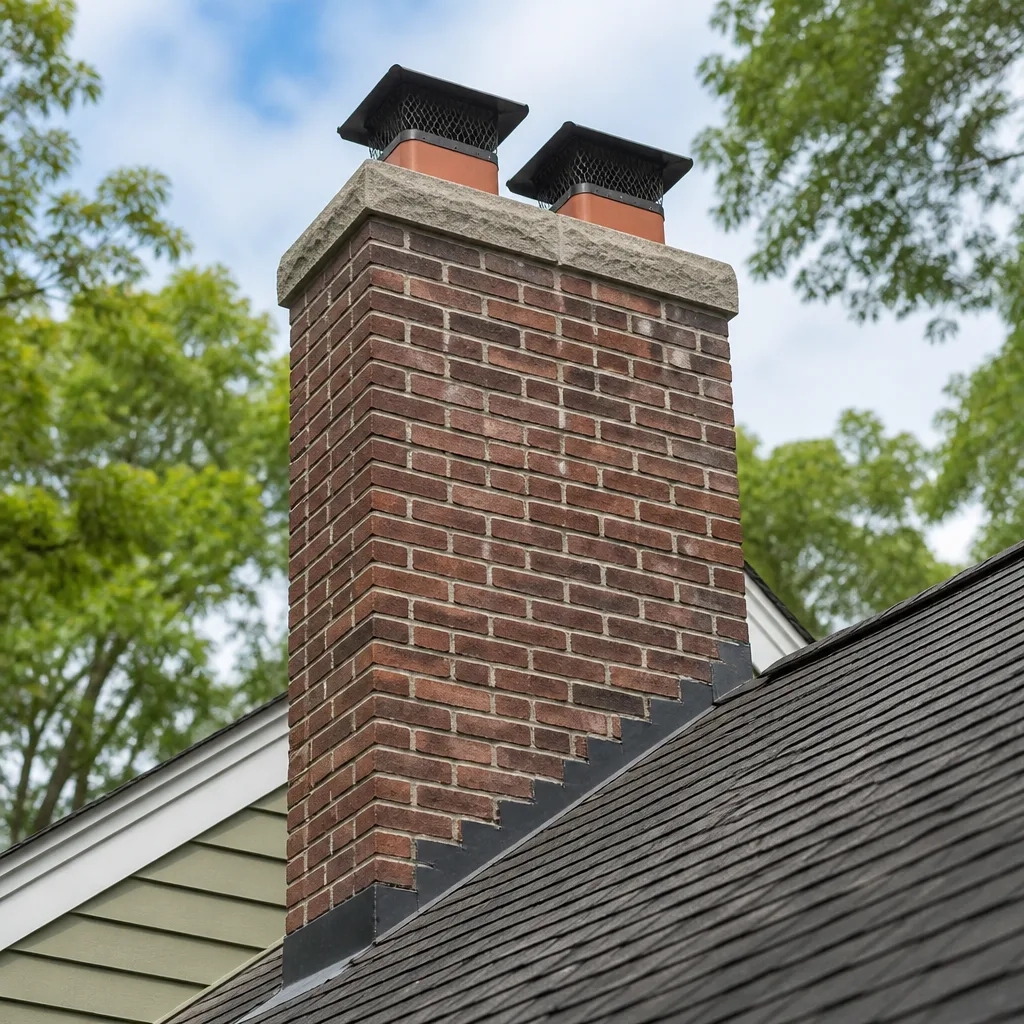 Masonry repair
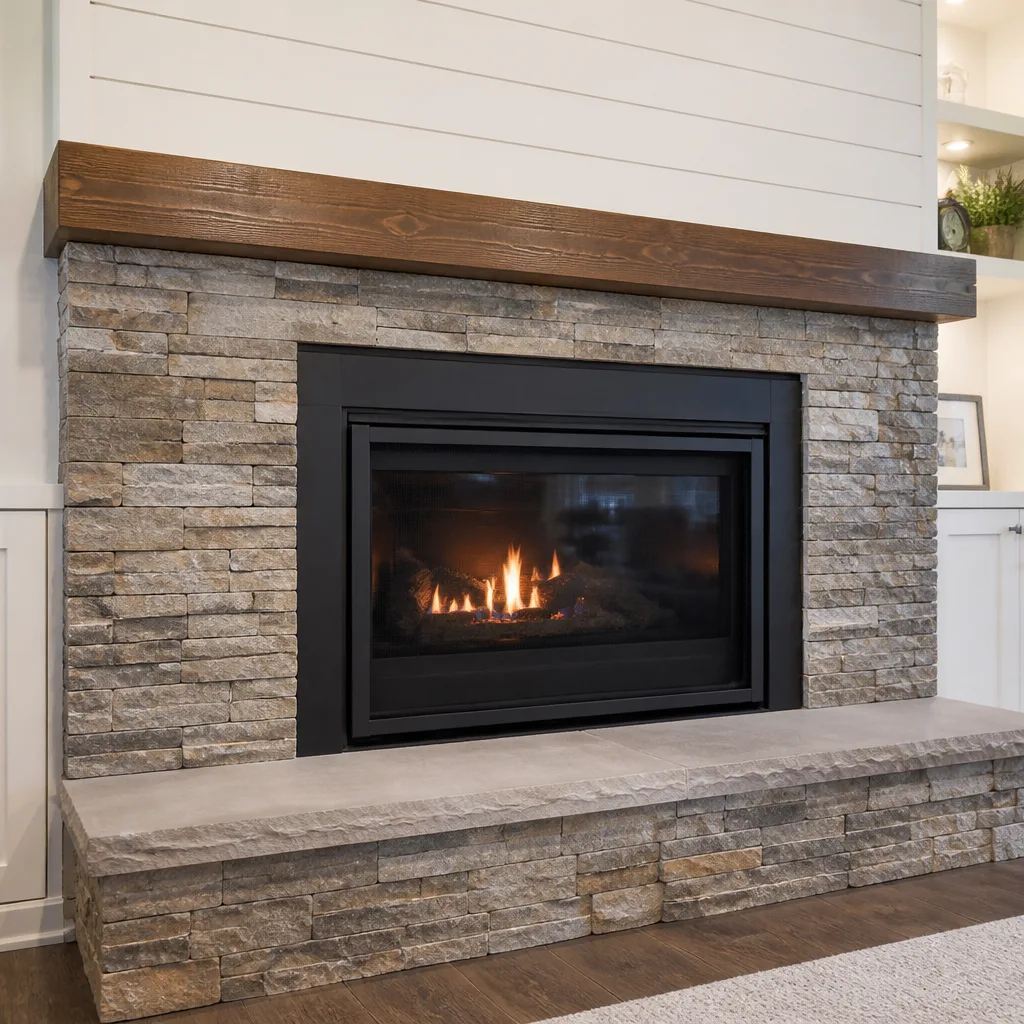 Gas fireplace service
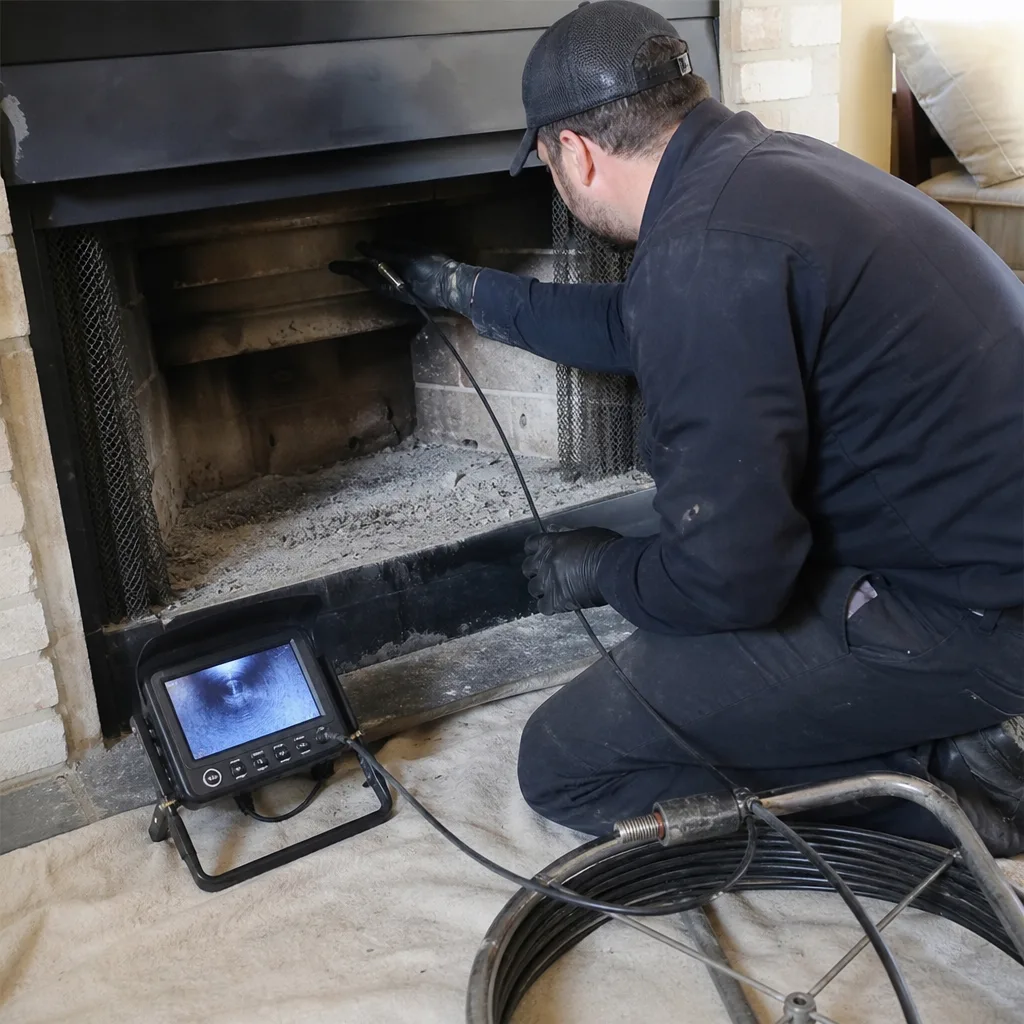
Level 1 sweep and inspection to the NFPA 211 annual standard - flue, crown, cap, and flashing checked and photographed
Chimney sweep logs do not sweep chimneys. They loosen some creosote - which then falls where a brush and vacuum still have to collect it.
Chimney Cleaning Permits, Codes & Inspections in Commerce City, CO: What You Need to Know
Most homeowners assume the messy part of chimney work is the soot. In our experience, the part that causes real trouble is the paperwork. A routine sweep can turn up a cracked terra cotta liner, and the repair that follows is where permits, inspections, and code compliance quietly decide whether your home is protected or exposed. Colorado has adopted the International Residential Code, and Chapter 10 of that code governs chimneys and vents down to the liner material and clearances. This guide walks through what counts as maintenance versus permitted work in Commerce City, when a Level 2 inspection is required, and how to build a paper trail that holds up during a home sale or an insurance claim.
Quick Answer
In Commerce City, routine chimney cleaning does not require a permit. What does require a permit is the structural and system work that cleaning often uncovers: liner replacement, firebox reconstruction, chase or masonry modification, and any change to how an appliance connects to the flue. A code-compliant written inspection report, a pulled permit where required, and the final inspection sign-off are what protect you at resale and in an insurance claim.
Styles & brands we work with
- Sweep & inspection
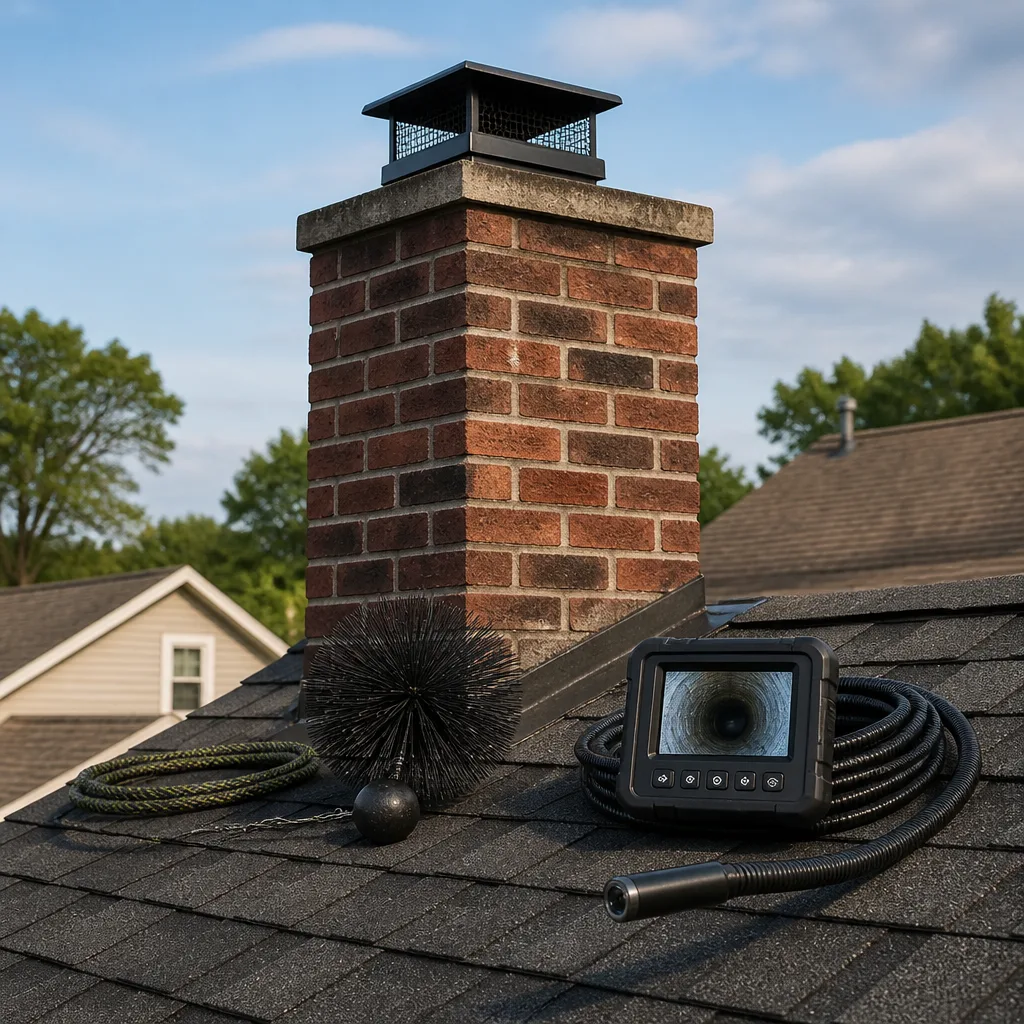
- Caps & crowns
- Flue relining
- Masonry repair
- Gas fireplace service
Table of Contents
- Maintenance vs. Permitted Work: Where the Line Sits
- Colorado, IRC Chapter 10, and What It Means for Your Chimney
- When a Level 2 Inspection Becomes Required
- How Permit Records Protect You at Sale and in a Claim
- What a Code-Compliant Inspection Report Looks Like
- Commerce City Climate and Chimney Wear
- How to Request Documentation From Past Contractors
- The Step-by-Step Process for a Compliant Chimney Repair
Maintenance vs. Permitted Work: Where the Line Sits in Commerce City
Cleaning a flue is maintenance. So is installing a chimney cap, replacing a damaged crown, or repointing a small section of mortar at the top of the stack. None of those typically require a building permit in Commerce City. The threshold moves when the work changes the chimney’s structure or the way it vents an appliance.
As a general rule, work that inserts a new flue liner, rebuilds a firebox, alters the height or footprint of the chimney, or changes the connected appliance is the kind of job that triggers a permit through the city’s building department. Always confirm the current requirement with Commerce City’s building department before work begins, because local thresholds and the process for submitting plans can evolve. What matters is knowing which category a job falls into, so you’re not the homeowner who discovers the gap two years later.
Typical maintenance work (usually no permit)
- Annual sweep and Level 1 inspection
- Chimney cap and crown installation or replacement
- Minor masonry repointing at the crown or cap
- Removing creosote buildup and animal nests
- Replacing a damper that’s housed within the existing firebox
Work that usually requires a permit
- Full-length stainless steel liner installation (including DuraFlex or similar systems)
- Firebox reconstruction or HeatShield restoration on a deteriorated firebox
- Changing the chimney height, chase, or masonry structure
- Connecting a new appliance, such as switching from a wood insert to a gas unit
- Any work that changes the clearances between the chimney and combustible materials
Colorado, IRC Chapter 10, and What It Means for Your Chimney
Colorado’s building codes are based on the International Residential Code, and Chapter 10 of that code is the section that governs chimneys and vents. The chapter covers liner materials and their suitability by appliance type, the required clearances between a chimney and combustible framing, the rules for connecting appliances to a flue, and the requirement that flues serving different appliances stay separate. None of those details are optional, and they’re what an inspector checks when a permit is closed out.
For homeowners in Commerce City, the practical effect is that a contractor’s material choice isn’t purely a matter of preference. A stainless liner has to be rated for the appliance and fuel type it’s venting. A clay tile liner has to be sound and correctly sized. A firebox repair has to restore the original clearances. When a crew shows up and installs a liner with no permit and no inspection, the material might still be correct, but nobody independent has confirmed it. That’s the difference between a system that’s documented and one that just looks finished.
Why the material brand matters for compliance
A liner is only as compliant as its listing and installation. Professional-grade systems like DuraFlex liners or HeatShield firebox restoration materials are manufactured to specific standards and installed to specific methods. Cheaper hardware-store liners may not carry the listing the code relies on when an inspector reviews the job. That’s one reason we work from a roster of professional brands, including Gelco, Olympia Chimney, and Famco, on top of DuraFlex and HeatShield. When a liner job is scheduled for inspection, the material documentation matters as much as the workmanship.
If you’re not sure what your existing liner is or whether it would pass, a chimney sweep with a camera inspection answers that question before you plan any work.
When a Level 2 Inspection Becomes Required
Chimney inspections are defined by three levels. A Level 1 inspection covers the readily accessible parts of the chimney and is what comes with an annual sweep. A Level 2 inspection adds access to the attic, crawlspace, and any concealed areas, and includes a video scan of the flue interior. A Level 3 is a Level 2 plus destructive access to concealed areas, and it’s usually triggered when a hidden defect has already been identified.
A Level 2 inspection isn’t just a higher-tier service someone upsells you. It becomes the appropriate standard in specific situations, and in a few of those situations, a sale or a claim can hinge on whether one was performed.
A Level 2 inspection is typically needed:
- During a real estate transaction, before the sale closes, so the buyer and lender have documentation of the chimney’s condition
- After any chimney fire, even one that seemed to go out quickly
- After a change to the connected appliance, such as a new insert, a new furnace, or a switch from wood to gas
- After an earthquake, a lightning strike, or any event that might have shifted the chimney structure
- When the chimney is being used again after a long period of disuse
In Commerce City, the real estate trigger is the one homeowners run into most often, because homes change hands more frequently than chimneys change appliances. A buyer’s inspector flags the chimney, the buyer’s lender asks for documentation, and the seller has to produce something. If that something is a verbal “looks fine” from a contractor who did the work without a permit, the sale can stall. A written Level 2 report, plus a permit record where the work required one, keeps the transaction moving.
If you’re buying or selling a home in Commerce City and the chimney is a question mark, our chimney repair team can get you a documented condition assessment.
How Permit Records Protect You at Sale and in a Claim
Think of a permit record as a paper trail that a third party created for you. When a permit is pulled for a liner installation or a firebox rebuild, the city’s building department sends an inspector to look at the work at specified stages and at completion. That inspector’s sign-off is an independent verification that the installation matched the permitted scope. When you sell the home, that sign-off becomes evidence that the work was done to code. When you file an insurance claim on a chimney fire, that sign-off becomes evidence that the system wasn’t a known unpermitted modification.
An insurer reviewing a chimney fire claim will look for any reason the loss might fall outside the policy. An unpermitted liner installation is a common reason a claim gets complicated, because the insurer can argue the modification wasn’t inspected and therefore wasn’t verified as safe. That doesn’t automatically deny every claim, but it can turn a straightforward loss into a dispute, and the homeowner carries the burden of proving the work was sound.
What a permit record actually contains
- The permit number and the date it was issued
- The scope of work that was permitted (liner replacement, firebox rebuild, etc.)
- The contractor’s name and license information on file with the city
- The inspection dates and the inspector’s signed approval
- Any notes about corrections or partial approvals
If you’ve owned a home in Commerce City for a while and don’t know whether past chimney work was permitted, a level 2 inspection plus a records request to the city’s building department can usually establish it. It’s worth doing before you list the home, not after.
What a Code-Compliant Inspection Report Looks Like
A verbal “you’re all clear” is not a document. It’s a memory. When a home sale, an insurance claim, or a dispute with a contractor depends on the chimney’s condition on a specific date, you need a written report that a third party can read and evaluate. In our experience, a compliant report is short but specific, and it follows a predictable structure.
A code-compliant written inspection report should include:
- The inspection level performed (1, 2, or 3), and the reason for that level
- Photos or a video scan of the flue interior, dated and linked to the report
- A description of the liner material, its condition, and whether it’s rated for the connected appliance
- Findings on the firebox, damper, smoke chamber, and crown, each stated as observed
- Clearance observations where accessible, including any area where the chimney is close to combustibles
- Any code-relevant deficiencies, stated plainly and priority-ordered
- A recommendation section that separates “must be addressed” from “monitor”
- The inspector’s name and credential, the date, and the property address
What separates a real report from a sales pitch is the “monitor” section. If a report recommends every deficiency be fixed right away, it’s a proposal, not a diagnostic. A compliant report should tell you what can safely wait and what shouldn’t. That’s the difference between a chimney sweep that’s trying to sell work and one that’s documenting condition. If your firebox or firebox materials are the issue, a fireplace repair crew familiar with HeatShield restoration can tell you what actually needs rebuilding and what doesn’t.
Commerce City Climate and Chimney Wear
Commerce City sits on the Front Range north of Denver, in a dry, high-altitude climate with a cold, dry winter and significant temperature swings. That combination affects chimneys in ways that homeowners in milder parts of the country don’t deal with. The freeze-thaw cycle over a metro Denver winter is hard on mortar and masonry joints. The crown, which is the concrete or masonry top of the chimney, expands and contracts across those cycles, and hairline cracks that develop in the fall become bigger problems by spring.
Cold, dry air also means chimneys are used differently here than in wetter climates. Homeowners burn more consecutive fires through the winter, and cold flue conditions mean more creosote deposits in the first part of the season before the flue warms up. That’s a combustion consideration, not a code one, but it’s why the annual sweep matters more in Commerce City than it might in a mild climate.
There’s also a housing consideration. Commerce City has a wide mix of housing stock, from older homes to newer construction in areas like Reunion and the neighborhoods around Dick’s Sporting Goods Park. Older homes are more likely to have terra cotta liners that have been repaired or patched over the years, and patched liner work is exactly where permit records get thin. Newer homes are more likely to have factory-built systems with documentation from the original installation. Either way, knowing what you have is the starting point.
Seasonal risk factors specific to Commerce City
- Freeze-thaw cycles that stress crown and mortar joints through winter
- Dry winter air that changes how quickly creosote builds up in a cold flue
- High winds along the Front Range that stress caps and chimney tops
- Spring moisture that finds its way into cracks opened during the freeze-thaw cycle
- Wide housing age range producing very different documentation situations
A cap and crown in good shape keeps spring moisture out and prevents the freeze-thaw cycle from getting inside the masonry. If you don’t know the condition of yours, it’s worth checking before the next winter.
How to Request Documentation From Past Contractors
If you’ve owned the home for a while and chimney work was done before you, digging up the paper trail is worth a weekend afternoon. It protects you later, and most contractors will provide records on request if they still have them.
Step-by-step: requesting records from a past contractor
- Identify the contractor from the invoice, the permit sticker on the chimney chase, or a mention in the seller’s disclosure from your purchase
- Call or email with the property address and approximate date of the work, and ask specifically for the permit number, the final inspection sign-off, and any material documentation for the liner or firebox work
- Ask for the inspection report that was produced, if any, including any interior video or photos
- If the contractor is out of business, request the same records from Commerce City’s building department by permit number or property address
- If neither source has records, schedule a Level 2 inspection so you have a current documented condition to work from
If the contractor won’t or can’t provide records, that itself tells you something. It doesn’t mean the work was done wrong, but it does mean you can’t prove it was done right. In that case, the inspection replaces the paperwork gap with a current baseline. That’s usually enough for an insurer or a buyer, as long as the inspection is documented properly.
If you’d like a single point of contact across inspection, repair, and cap work, our full-system team at Commerce City Chimney Sweep handles all of it.
The Step-by-Step Process for a Compliant Chimney Repair
Here’s what a code-compliant chimney repair usually looks like from the homeowner’s side, in the sequence that avoids problems later. It’s a process, not a single appointment, and the steps in the middle are the ones that keep the paper trail intact.
- Start with a sweep and inspection. The cleaning removes creosote so the inspection can actually see the liner and firebox. A Level 1 inspection may be enough for routine maintenance; a Level 2 is the right call if any of the triggers above apply.
- Get the findings in writing. You should have a written report with photos or video, a clear description of each deficiency, and a recommendation that separates urgent from monitor.
- Confirm what requires a permit. Call Commerce City’s building department with the specific scope of work. Their answer tells you whether a permit is needed for your job, and it’s the answer an insurer or a buyer will care about.
- Confirm the material specification. The liner or firebox materials should be listed for the appliance and fuel type. Professional-grade systems like DuraFlex liners or HeatShield firebox restoration materials are specified for the job, not selected off a shelf.
- Schedule the work with the permit in hand if one is required. The permit should be pulled before the work starts, not after. A contractor who suggests pulling the permit later is one to question.
- Make the work accessible for inspection. The building inspector will need to see the work at the stages the permit specifies, plus the final installation. Don’t button up the chase before that inspection.
- Collect the final sign-off and file it. Keep the permit, the inspection sign-off, the material documentation, and the inspection report together. When you sell, those are the documents you produce.
One call covers the sweep, the inspection, the repair, and the cap work. That’s the reason we keep all five service lines under one roof: the paperwork stays with one company instead of getting split across three contractors who each did a piece.
Common Mistakes to Avoid
- Skipping the permit on a liner install. This is the single most common gap we see in Commerce City. The liner may look fine, but without an inspection sign-off, an insurer or a buyer has no way to know it was installed to code.
- Relying on a verbal “all clear.” A verbal assessment doesn’t survive a home sale or an insurance claim. Insist on a written report with photos or video.
- Letting a sweep crew sell you a full liner replacement without a Level 2 inspection. A proper diagnosis comes before a proposal. If someone recommends a full liner on the same visit as a routine sweep, ask for the video scan that justified it.
- Pulling the permit but not keeping the sign-off. The permit number without the inspection record is only half the paper trail. Get the final sign-off in writing and file it with your home documents.
- Assuming newer construction means no permit needed. Newer homes in Commerce City can still need a permit when the appliance changes or the chase is modified. Age of the home doesn’t determine the requirement; scope of work does.
- Doing firebox repair with the wrong material. Firebox materials have to be rated for the temperatures and clearances involved. Patch jobs with generic refractory cement that isn’t listed for the application create compliance problems that get flagged at inspection.
- Letting the cap and crown fail while the chimney itself is fine. Water intrusion from a cracked crown is one of the most common causes of masonry damage on the Front Range. Fixing the top of the system often prevents a much larger repair later.
See the difference
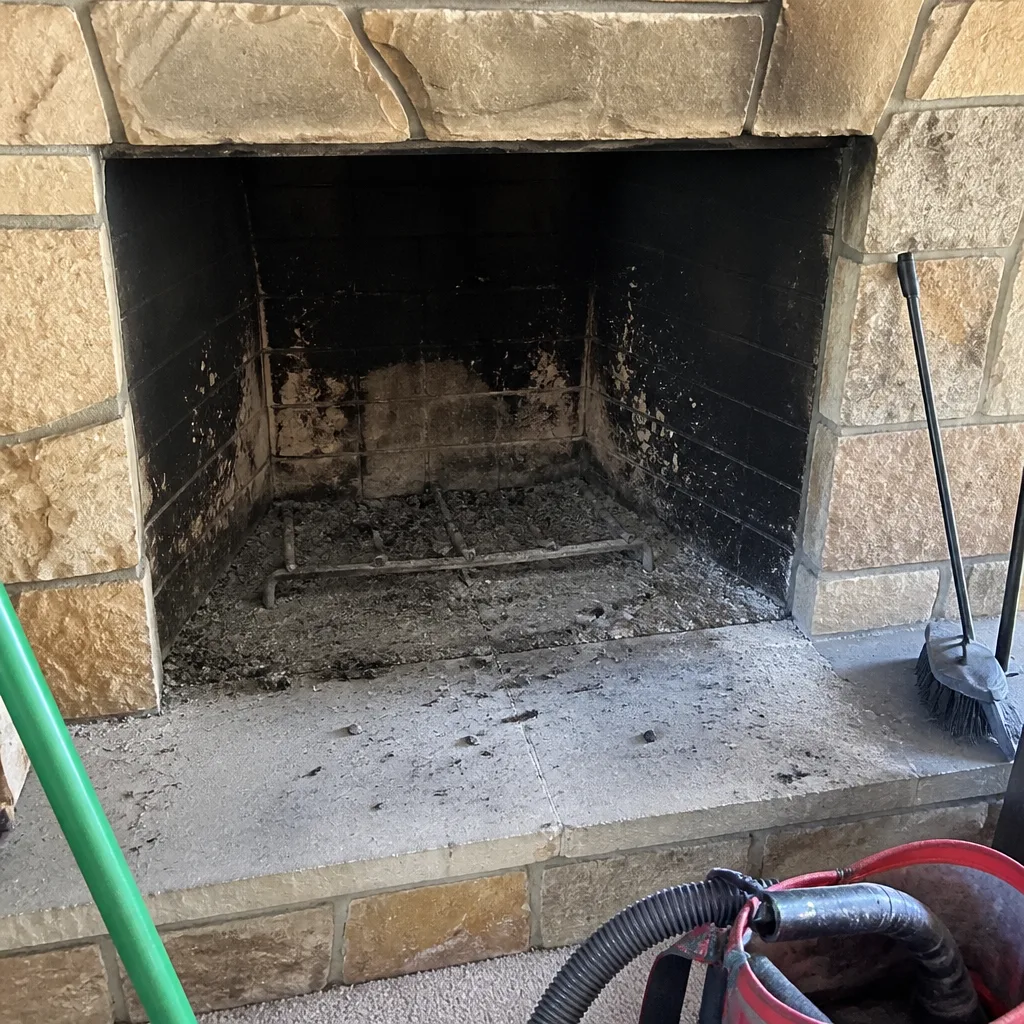 Before
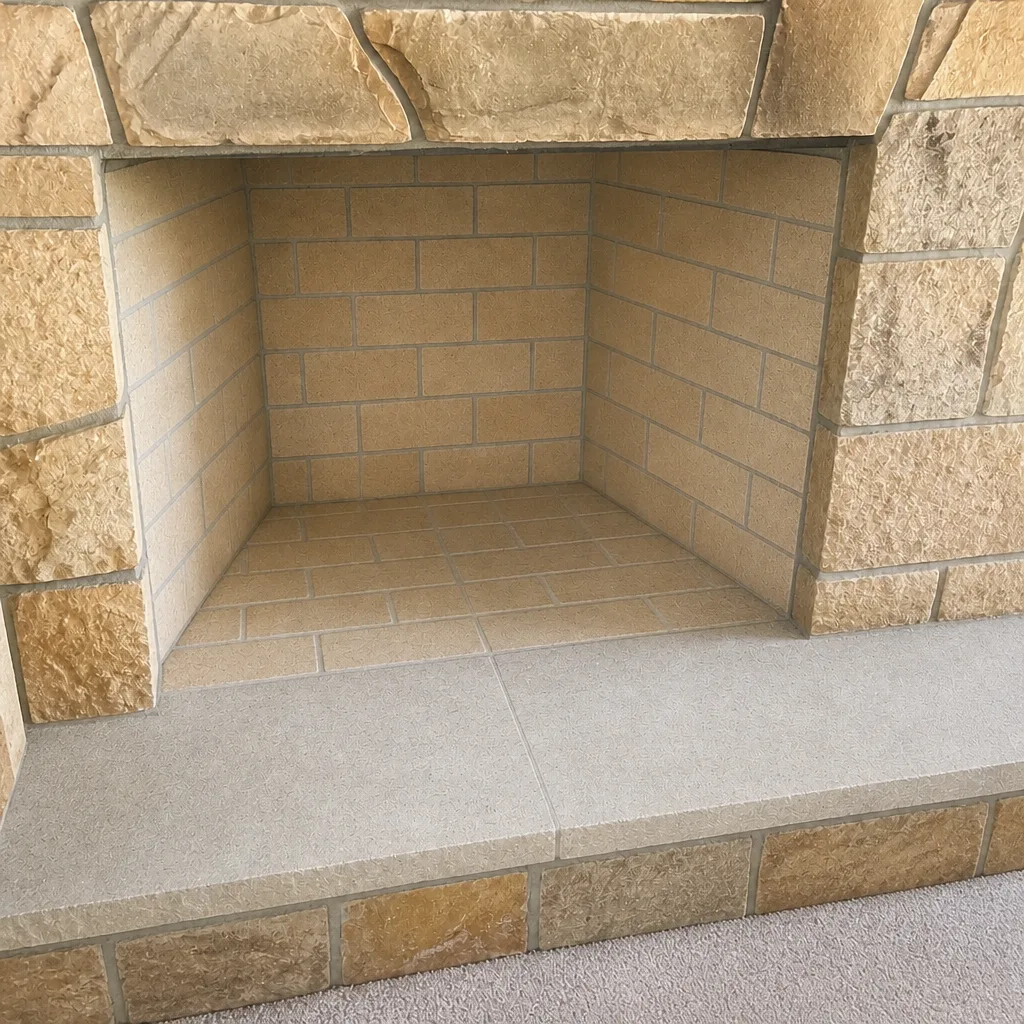 After
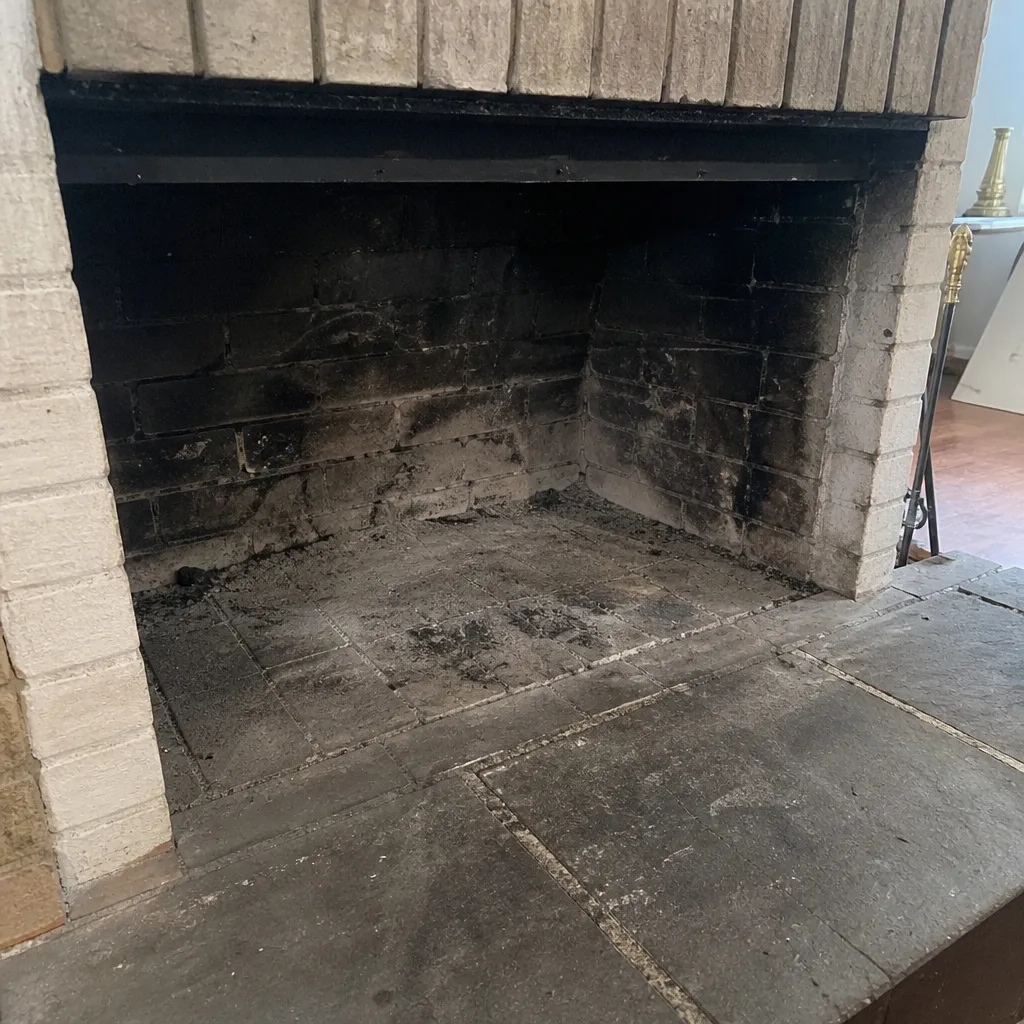 Before
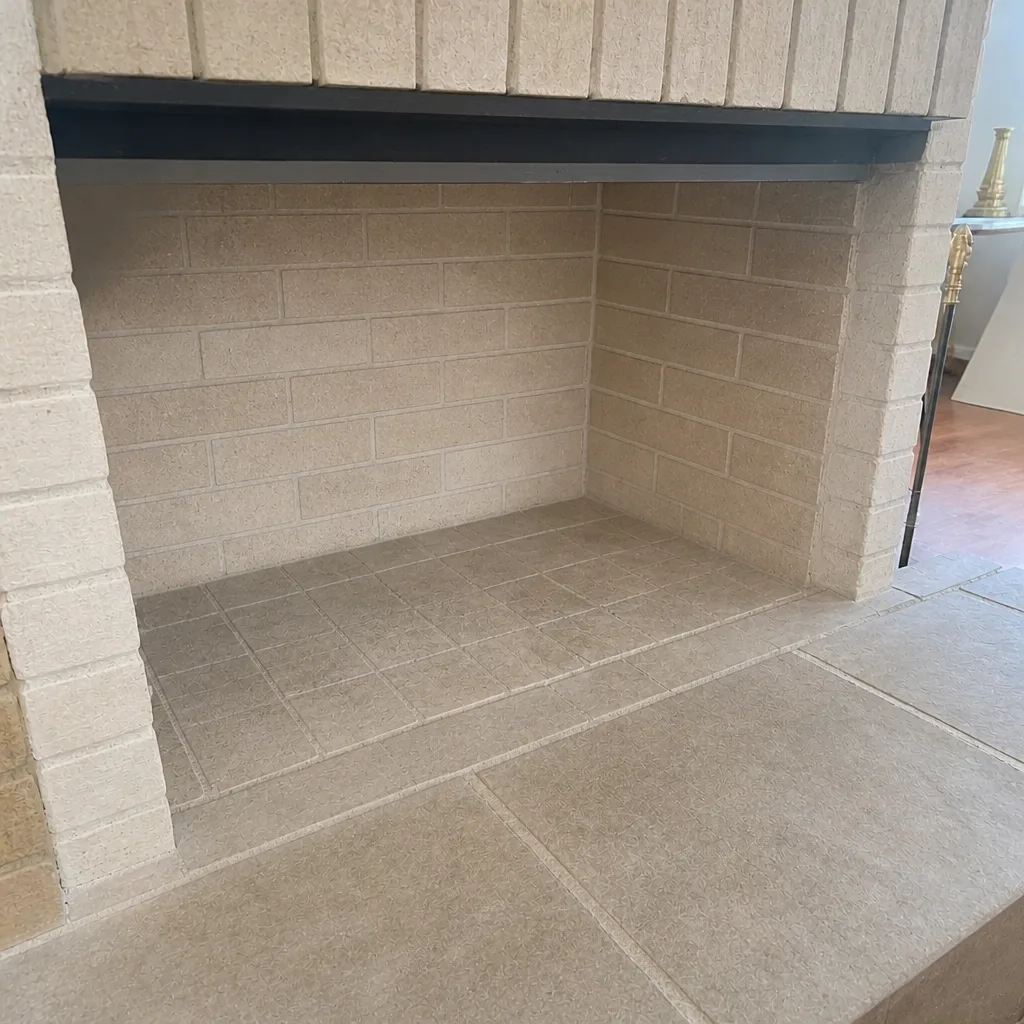 After
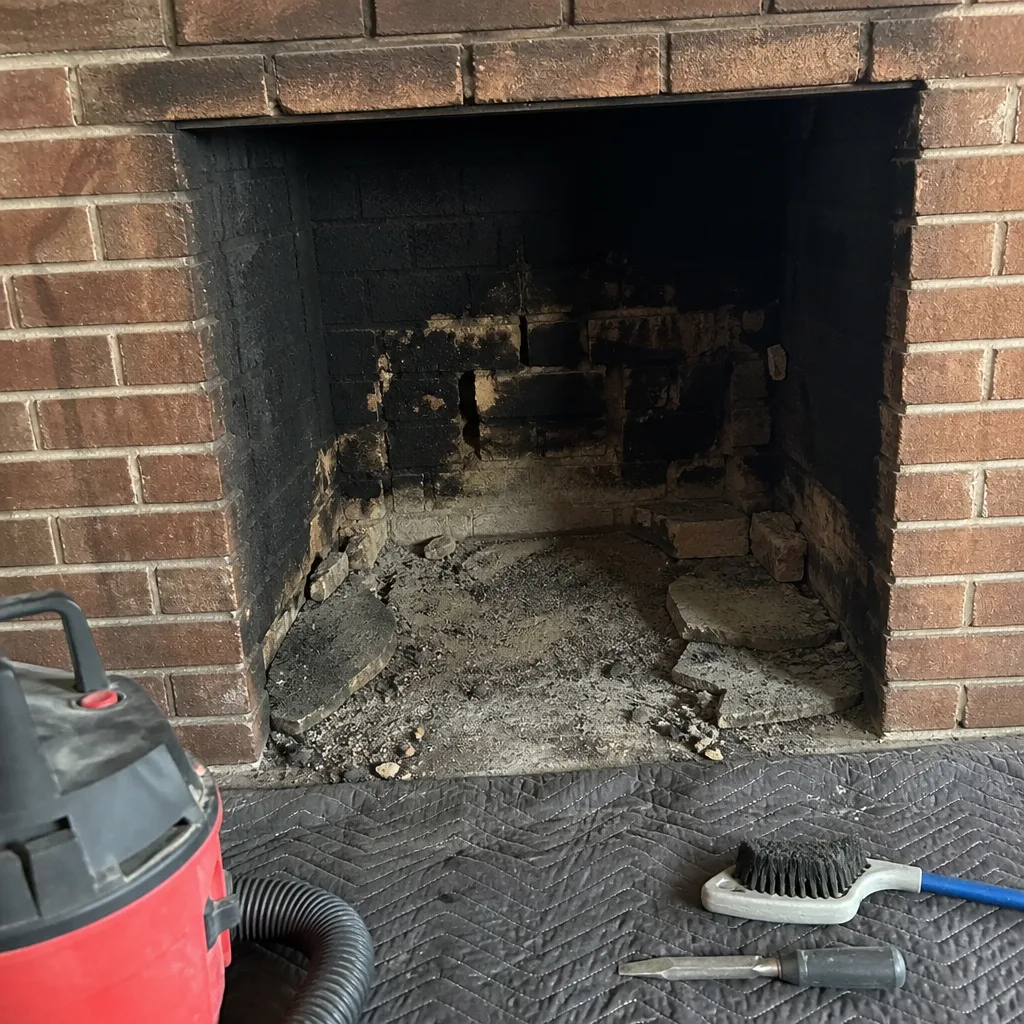 Before
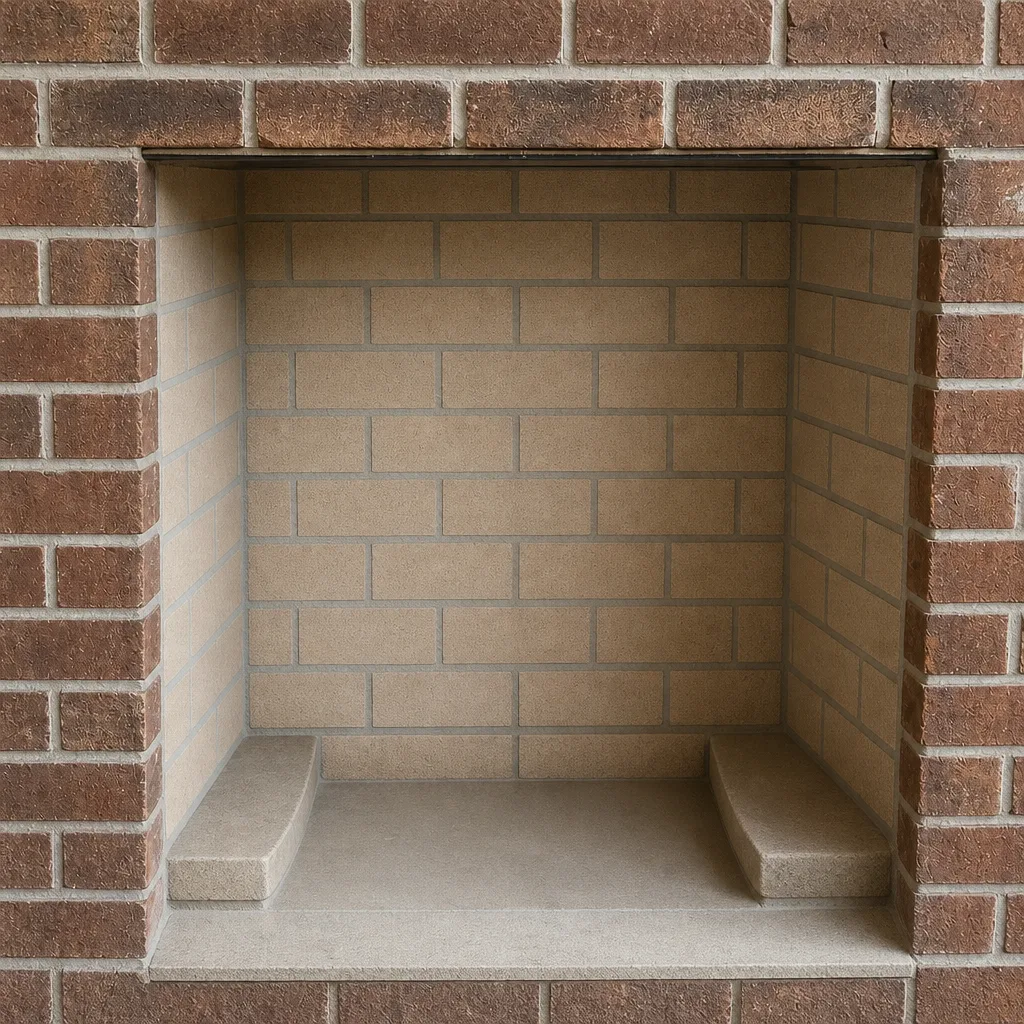 After
When to Call a Professional
Call a professional if a sweep or inspection turns up a cracked liner, a deteriorated firebox, or a crown that’s lost its seal. Call if you see smoke rollback into the room, smell creosote in the house when the fireplace isn’t running, or notice water staining on the chimney chase. Call after any chimney fire, even one that was small. Call before listing a home in Commerce City if you don’t have documentation of the chimney’s condition or of past repairs. Call before changing appliances, adding an insert, or doing any masonry work on the chimney chase. And call if a cap, crown, or chase has visible damage that’s been there for more than a season.
Commerce City Chimney Sweep offers free estimates in Commerce City. Call (855) 619-0680. We answer 24/7. Fast dispatch from 7am to 7pm, Sunday through Friday. Inspections are offered as a standalone service if you already have a sweep and just need the diagnosis and documentation.
Frequently Asked Questions
No. Routine chimney cleaning is maintenance and doesn’t require a permit in Commerce City. Reports and inspection documentation are still recommended so you have a record of condition, but the cleaning itself doesn’t go through the city’s building department. Call (855) 619-0680 for an exact quote on a sweep and inspection. Estimates are free.
In most cases, yes. A full liner installation changes the flue system, so it typically requires a permit through Commerce City’s building department, and the installation usually needs a final inspection before it’s closed out. Confirm the specific scope with the building department before work begins. Call (855) 619-0680 for an exact quote on a liner evaluation.
A Level 2 inspection is typically required during a real estate transaction, after a chimney fire, after any change to the connected appliance, and after an event that might have shifted the chimney structure. In Commerce City, the real estate trigger is the one homeowners run into most often. Call (855) 619-0680 for an exact quote on a Level 2 inspection.
You need a new liner if the existing one has cracks, gaps, or deterioration that could let heat and gases reach the structure around the flue, or if the liner isn’t rated for the connected appliance. Insist on the video scan and the written report before agreeing to anything. Call (855) 619-0680 for an exact quote.
The claim can become complicated, because the insurer may argue the installation wasn’t verified as safe. That doesn’t automatically deny every claim, but it can turn a straightforward loss into a dispute the homeowner has to resolve. Documentation from a compliant installation protects you here. Call (855) 619-0680 for an exact quote on an inspection that establishes current condition.
Contact Commerce City’s building department with the property address or, if you have it, the permit number. Ask for the permit record, the inspection dates, and the final sign-off. If the record doesn’t exist, a Level 2 inspection gives you a documented baseline to replace the paperwork gap. Call (855) 619-0680 for an exact quote.
The Bottom Line
Chimney cleaning in Commerce City is maintenance, but the work that cleaning uncovers often isn’t. Liner replacements, firebox reconstruction, and any change to the connected appliance are the jobs where permits, IRC Chapter 10 compliance, and documented inspections matter, and where missing paperwork follows you to a home sale or an insurance claim. A Level 2 inspection becomes the appropriate standard during real estate transactions, after a fire, and after an appliance change. A written inspection report with photos, video, and a “monitor” section is what a compliant contractor produces. And the cap and crown at the top of the system are what keep Commerce City’s freeze-thaw cycles from finding the masonry. From the firebox to the crown, one crew, one set of records, one call.
Commerce City Chimney Sweep handles chimney sweeping, chimney and fireplace repair, chimney inspections, and chimney cap and crown installation and replacement, working with professional-grade brands including DuraFlex, HeatShield, Gelco, Olympia Chimney, Famco, and Copperfield. Our technicians have up to 12 years of experience. Call (855) 619-0680 for a free estimate. We answer 24/7. Fast dispatch from 7am to 7pm, Sunday through Friday.
Written by the team at Commerce City Chimney Sweep.