
Last updated November 23, 2026
 Sweep & inspection
 Caps & crowns
 Flue relining
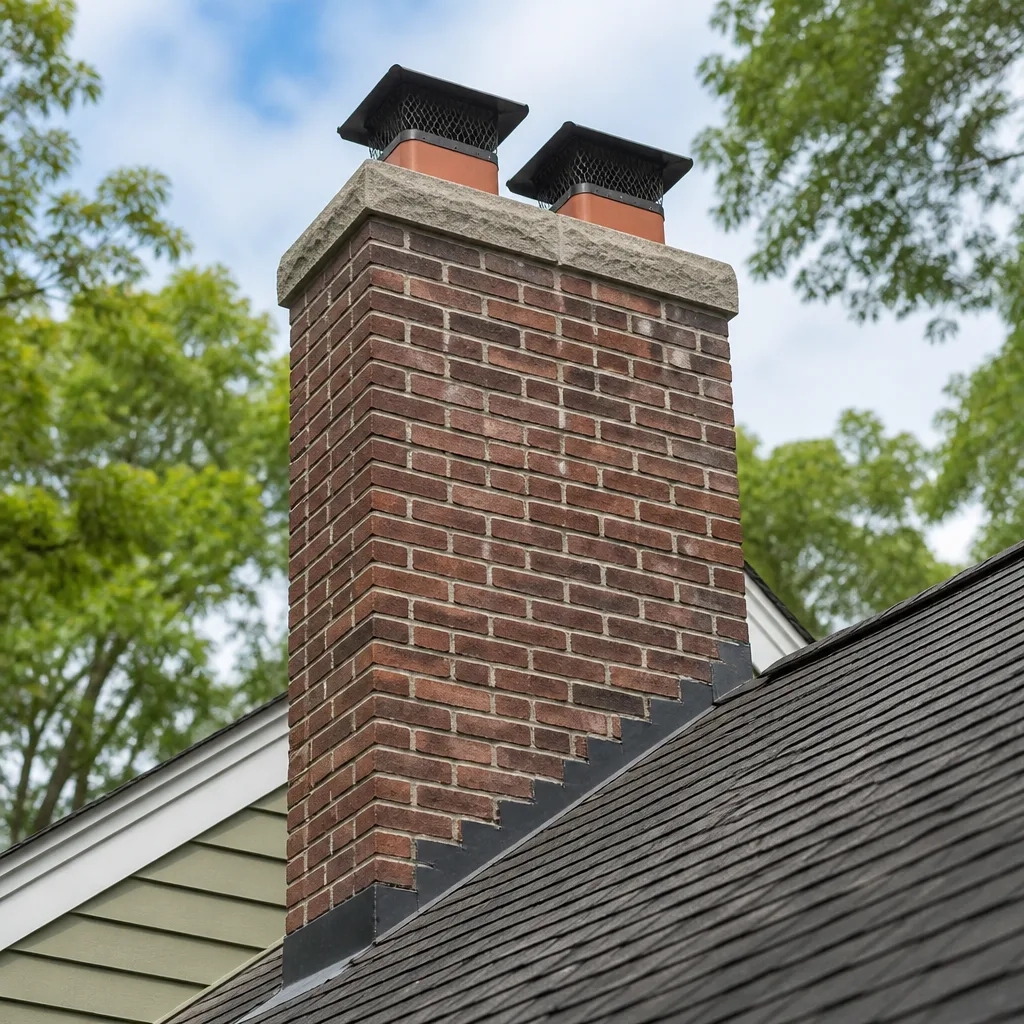 Masonry repair
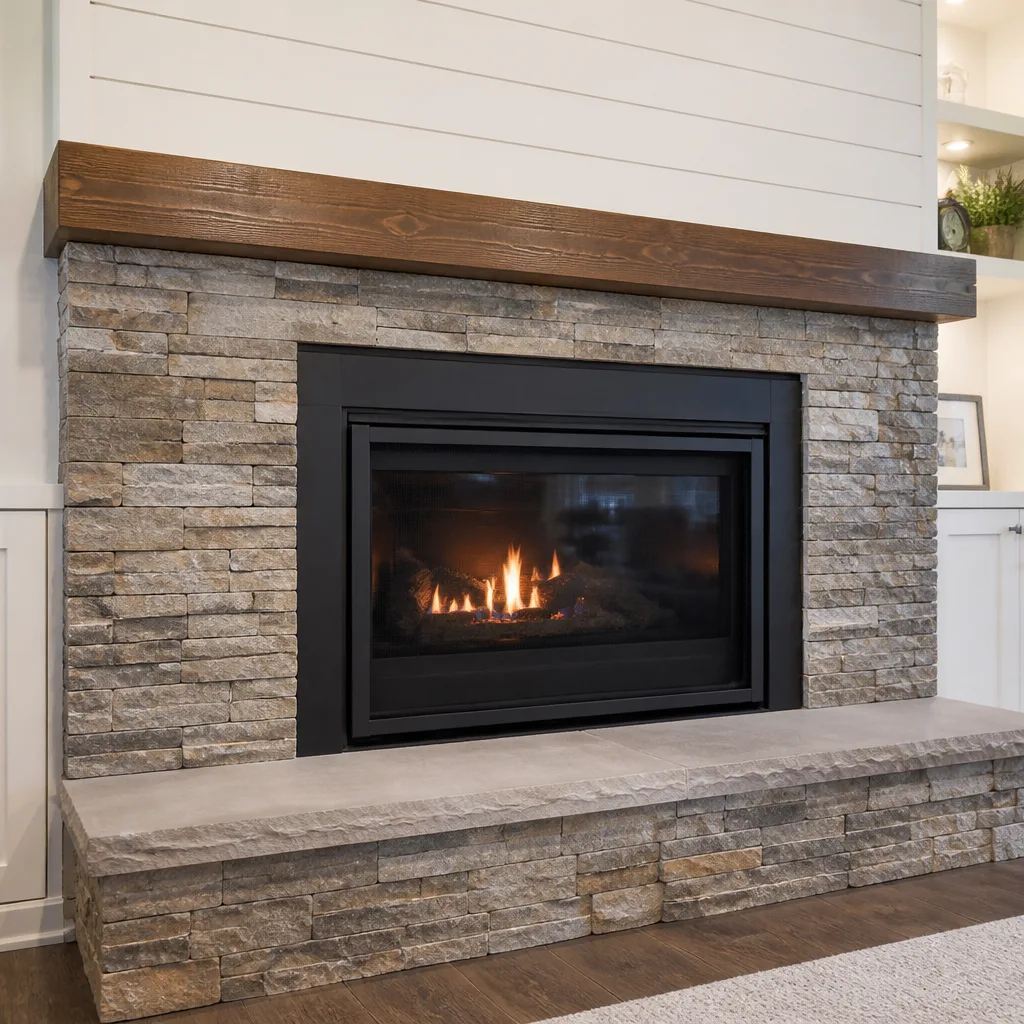 Gas fireplace service
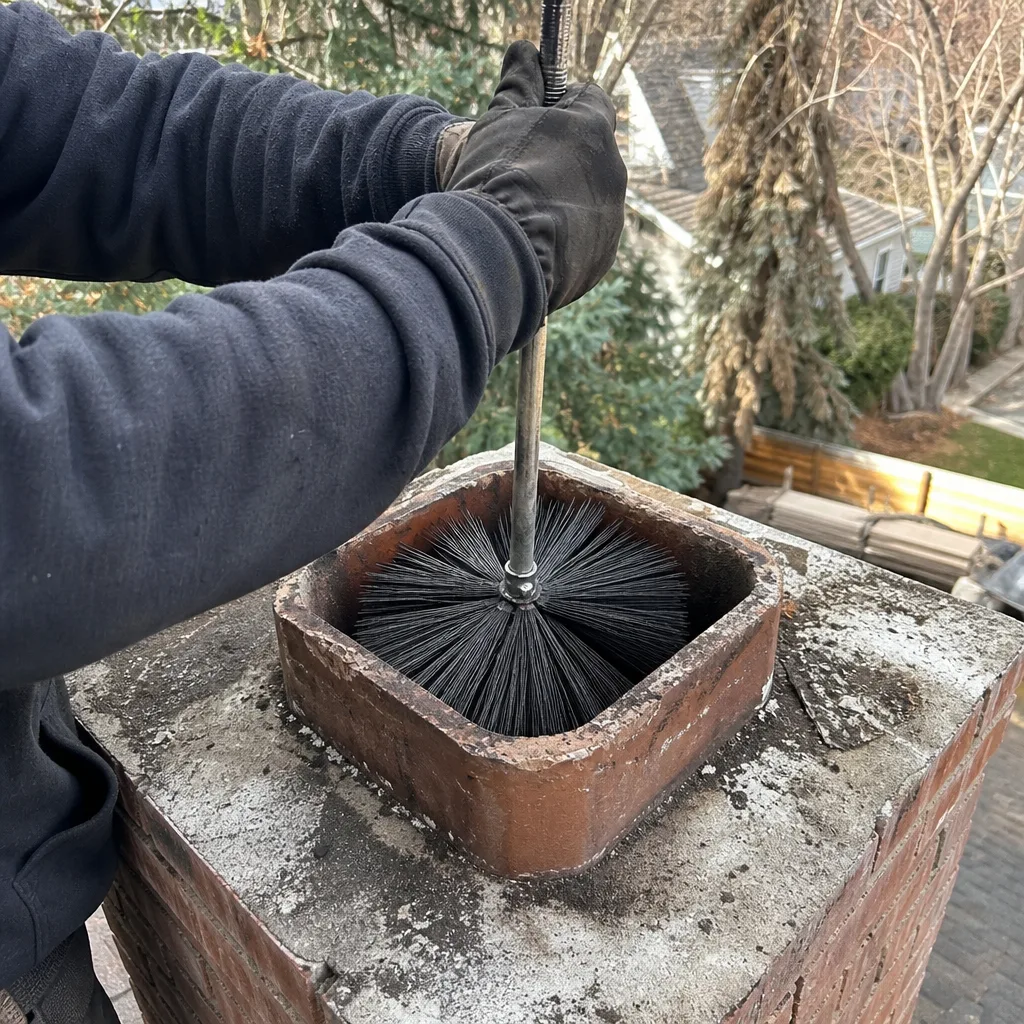
Level 1 sweep and inspection to the NFPA 211 annual standard - flue, crown, cap, and flashing checked and photographed
Chimney sweep logs do not sweep chimneys. They loosen some creosote - which then falls where a brush and vacuum still have to collect it.
Chimney Cleaning Warning Signs: A Commerce City Homeowner’s Reference Guide
Most homeowners assume a chimney problem announces itself with smoke pouring into the living room. In our experience, the loud failures are rare. The quiet ones do the damage. A chalky white bloom on the firebox brick, a damper that sticks and flakes, a fire that takes three tries to catch on a cold night – these are the signals that show up weeks or months before anything dramatic happens. The trick is knowing which ones mean “schedule a sweep” and which mean “stop burning and call today.” This guide walks through what to look for inside the firebox, what your nose is telling you, how draft and combustion problems differ, and what Commerce City weather does to a chimney between sweeps.
Quick Answer
The main chimney cleaning warning signs are rust or flaking on the damper, white or dark staining on firebox walls, visible gaps in mortar joints, persistent smoke odor between fires, smoke rolling back into the room, slow ignition, and exterior brick spalling or a damaged crown or cap. Any one of these means it’s time for an inspection and a sweep. Smoke rollback, a strong petroleum smell from the flue, or visible daylight through the masonry means stop using the fireplace until a technician looks at it.
Styles & brands we work with
- Sweep & inspection
- Caps & crowns
- Flue relining
- Masonry repair
- Gas fireplace service
Table of Contents
- Warning Signs You Can See Inside the Firebox
- What Your Nose Tells You: Odor Diagnostics
- Draft and Combustion Clues: Slow Fires and Smoke Rollback
- Exterior Warning Signs You Can Spot From the Ground
- Post-Hailstorm Chimney Damage in Commerce City
- Creosote Stages and Why They Matter
- Routine Cleaning vs. Urgent Repair: How to Tell the Difference
- What a Professional Inspection Actually Covers
Warning Signs You Can See Inside the Firebox
A white haze on the fireplace brick isn’t a cosmetic issue. It’s efflorescence – mineral salts pushed to the surface as water moves through the masonry from the outside in. And if water is traveling through the brick, the liner behind that brick may already be compromised. What looks like a stain is a symptom.
The firebox is where a chimney tells the truth first. Before you strike a match, look in with a flashlight. These are the signals we check for on every inspection in Commerce City:
- Rust or flaking on the damper plate. A working damper should open and close smoothly with a metallic sheen. Rust means moisture is getting into the firebox – usually from a failing cap, a cracked crown, or a compromised flue.
- White staining on firebox walls. Efflorescence, as above. Water migration, not cosmetics. The brick faces may also feel powdery when you rub them.
- Dark, glossy staining. A hard, shiny, tarry coating on the firebox walls or in the flue is glazed creosote, which we’ll get to in its own section. It’s the most dangerous form of creosote buildup.
- Visible daylight gaps in mortar joints. Look at the joints between the firebox bricks. A pinpoint of light coming through means the masonry has opened up and the firebox is no longer sealed. Stop burning until a technician looks at it.
- Crumbling mortar or loose brick. Joints that feel sandy or bricks that shift when you press lightly are a structural signal, not just an aesthetic one.
- A firebox floor that doesn’t quite sit level. Some settling is normal; a visible tilt or a crack running across the floor hearth needs professional eyes.
You don’t need to pull anything apart to check these. A flashlight and five minutes on a cold hearth will tell you most of what you need to know about whether to book a routine sweep or flag a repair. If any of the last three items above are present, don’t use the fireplace until an inspection has been done.
What Your Nose Tells You: Odor Diagnostics
Not every smell is a problem, and not every problem announces itself. Learning to separate three distinct chimney odors saves you from panicking over a normal condition – or ignoring a serious one. In our experience, homeowners tend to lump all fireplace smells together, which is why the wrong ones get ignored.
Normal smoke smell
A faint woodsmoke smell in the room the day after a fire is expected. Cool air descending the flue can push a little residual smoke into the room overnight. If the smell fades within a day and the fireplace draws well when burning, this is not a warning sign. It’s just how a chimney works in a house that’s warming up in the morning.
Creosote off-gassing in humid weather
Creosote in the flue reacts to humidity. On a damp day, or when the outdoor temperature swings quickly, built-up creosote can release a smoky, acrid smell that fills the room even when there’s no fire burning. That persistent smell – a fire that you can’t identify and that won’t go away – usually means the flue has enough creosote buildup that it’s time to schedule a sweep. This is one of the most common complaints we hear in Commerce City during wet spring and summer stretches.
The sharp petroleum smell of glazed creosote
Stage 3 creosote, the glazed form, smells noticeably different. It’s a sharp, almost fuel-like or petroleum odor, and it doesn’t fade. That smell is a signal the creosote has gone past the stage a brush will readily remove, and it deserves a professional evaluation before the next fire. A flue in that condition is a fire risk, and the only way to know what you’re dealing with is an inspection.
Not every household smell comes from the chimney itself. If any of these odors coincides with a headache, nausea, or dizziness while a fire or gas appliance is burning, treat it as a carbon monoxide concern – open windows, get everyone outside, and call for help. Those symptoms are the body’s alarm system.
Draft and Combustion Clues: Slow Fires and Smoke Rollback
How a fire behaves tells you as much as how the fireplace looks. Three combustion problems deserve three different reactions:
- Smoke rolling back into the room. A fire that puffs smoke into the room instead of up the flue means the chimney isn’t pulling. Causes range from a flue blockage (nesting material, a fallen cap, or heavy creosote) to a chimney that’s too short for the house, to negative pressure in the home. Smoke rollback is the one combustion problem that should make you stop burning and call. Every fire you light in this condition sends smoke and CO into the living space.
- Slow ignition. A fire that takes three attempts and a torch to catch is often fighting a cold flue or a blocked one. Cold outdoor air in Commerce City settles into the flue overnight, and some of that is normal – a pre-warmed flue draws better. But if slow ignition is a new problem, or it’s paired with smoke smell the day after a fire, the flue is telling you something is off.
- Fires that won’t sustain. A fire that catches quickly, burns bright, and then dies back into coals despite good wood and good airflow is fighting a draft problem – usually a flue that can’t maintain its pull. Sometimes that’s a cap or a screen that’s clogged with soot. Sometimes it’s a partial blockage. It always deserves a look.
The pattern matters more than any single incident. A cold start that takes two tries is normal in Commerce City on a 15°F morning. But if your chimney used to draw well and now doesn’t, something has changed in the flue, the cap, or the masonry. That’s the point at which a chimney sweep and inspection is the right next step.
Exterior Warning Signs You Can Spot From the Ground
Walk to the far side of your yard, look at the chimney, and give it a slow read. You don’t need a ladder or a roof to see the most important exterior signals. From ground level, you’re looking for five things:
- Spalling brick. Faces of brick that are flaking, peeling, or popping off as chips on the roof or ground. Spalling means water is getting into the brick and freezing inside it, then pushing it apart. In Commerce City, where freeze-thaw cycling runs hard through winter and spring, spalling is one of the most reliable early signs of a failing chimney exterior.
- White streaking on the chimney or firebox exterior. Efflorescence again, this time on the outside face. Long streaks that reappear after rain are a water pathway.
- Mortar erosion at the crown. The crown is the concrete cap that sits on top of the chimney and sheds water away from the masonry. Look at the edge where the crown meets the flue and the brick. If it’s crumbling, has visible cracks, or has pulled away from the brick, water is getting in behind it.
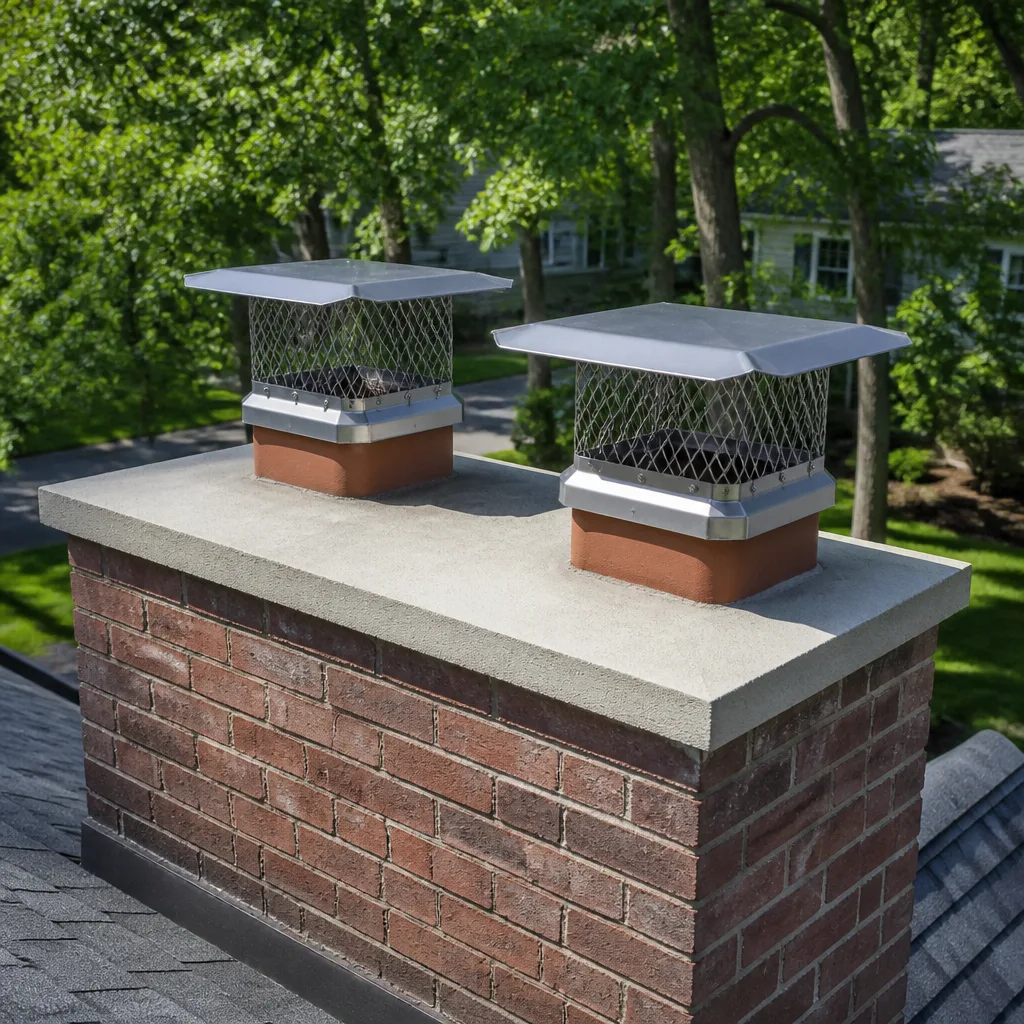
- A tilted, missing, or rusted-through cap. The chimney cap covers the flue opening and keeps out rain, snow, animals, and debris. A cap that’s leaning, rusted out, or gone entirely means the flue is exposed. That’s a big deal in Commerce City, where a single hailstorm can turn a marginal cap into a nonfunctional one.
- Spiderwebbing or a wandering crown crack. Hairline cracks in the crown can be cosmetic. But a crack you can slip a credit card into, or one that runs across the whole crown, has gone structural.
You don’t have to diagnose from the ground. You just have to notice. What you see from the yard tells a technician where to start – the cap and crown are often the origin of the interior moisture problems you’re already seeing inside.
Post-Hailstorm Chimney Damage in Commerce City
Commerce City sits in the heart of Colorado’s hail alley, and a chimney takes the hit directly. The crown and cap are the first things hail hits with any force. A hailstorm that leaves dings on your gutters and siding almost certainly hit the chimney top too. The problem: that damage doesn’t produce a symptom inside the house right away. Efflorescence on the firebox wall might show up weeks or months after the storm that caused it.
The right response is a post-storm inspection. If a hail event in Commerce City has left visible damage on the roof, siding, or gutters, it’s worth having the chimney looked at even if you haven’t noticed anything inside. The crown and cap are the cheapest parts of the system to deal with; water getting past them is what turns a hundred-dollar repair into a masonry rebuild.
We’ve seen enough Commerce City homes with hail chewed-up crowns to know that the pattern is consistent. The storm leaves the interior alone – the water has to make its way through the brick and into the firebox first, and that can take a full wet season. An inspection right after the storm catches it while it’s still a one-part fix.
Creosote Stages and Why They Matter
Creosote is the tar-like byproduct of burning wood, and it builds up on the inside of the flue no matter how well you burn. What matters is how much accumulates and what stage it’s in. Stage 1 is a dusty, flaky, soot-like coating that a brush removes easily. Stage 2 is a crusty, brittle layer that a brush will still remove, though it takes more effort. Stage 3 is glazed – hard, shiny, and tar-like – and it’s the reason a chimney sweep may recommend a different approach than a standard brushing.
Glazed creosote is the most combustible form, and it often signals that a flue has been running hot for a while or that a traditional wood-burning setup has been burning poorly seasoned wood. If you’ve smelled the sharp petroleum odor from the flue, or you’ve had a chimney fire you didn’t fully recognize as one (a hollow, roaring sound followed by a lot of smoke), you’re likely dealing with stage 3.
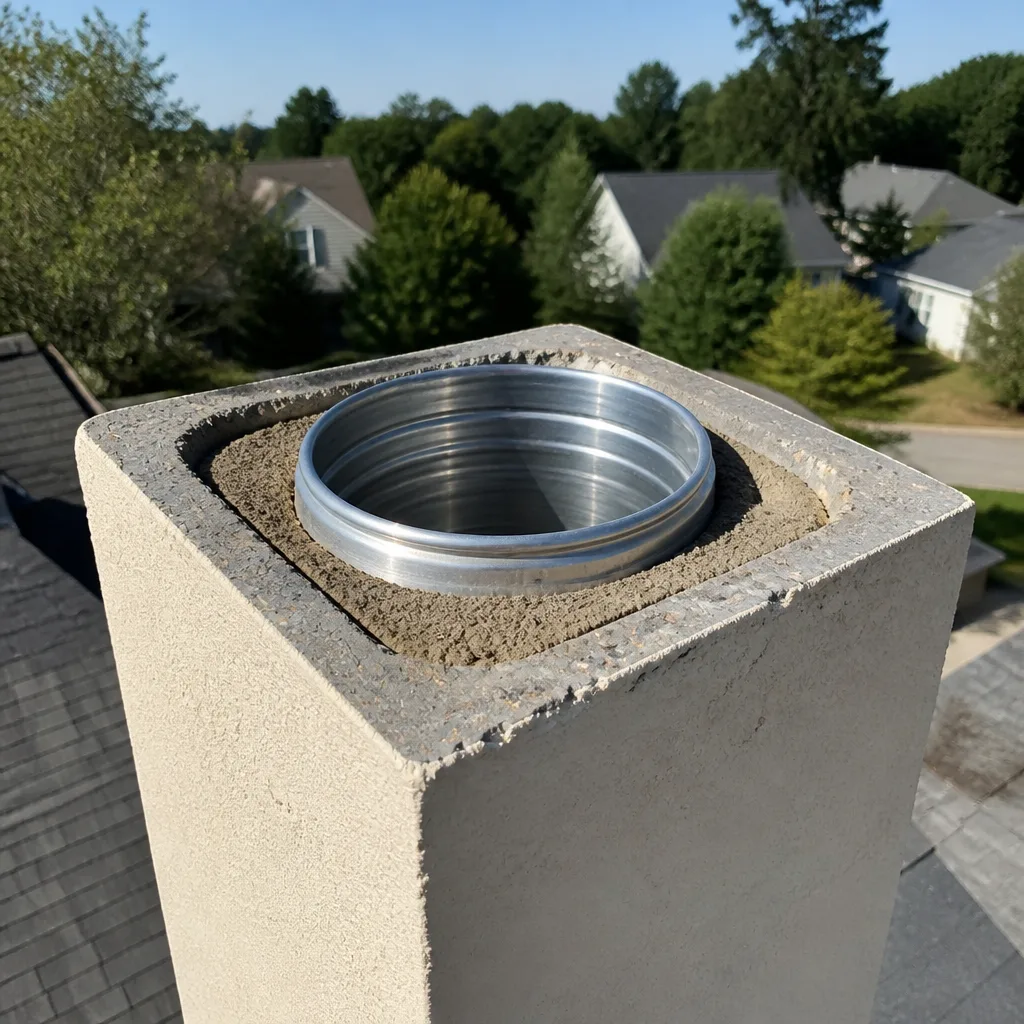
The good news: this is exactly where we do more than a basic sweep. Our technicians can restore a firebox or flue liner with HeatShield products that reline and resurface the inside of the chimney without demolition, and where a full replacement is the better route, DuraFlex liner systems give us the flexibility to reline to current standards. That matters because a flue with glazed creosote and a cracked liner isn’t just dirty – it’s off-spec, and code may require relining rather than cleaning.
The safest path after a chimney fire, or after a glazed creosote finding, is an inspection you can see for yourself. Our technicians photograph the flue lining before and after a sweep, and we don’t recommend a liner replacement unless the camera shows what’s actually going on.
Routine Cleaning vs. Urgent Repair: How to Tell the Difference
Not every warning sign is an emergency. When a Commerce City homeowner calls about a chimney sign, the first question we ask is which one. Some signs mean book a sweep on the next available day. Others mean stop burning and get an evaluation first. Here’s how we sort them:
- Stop burning and call. Smoke rolling into the room, visible daylight through mortar joints, a strong petroleum smell from the flue, a fire that roars and then extinguishes itself with a lot of smoke, or any symptom that mixes headaches or dizziness with a fire or gas appliance running.
- Schedule a sweep. Rust on the damper, efflorescence on the firebox wall, a persistent smoky smell between fires, slow ignition that wasn’t there before, or a visible creosote buildup.
- Schedule an inspection. Anything you’ve noticed on the exterior – a crown crack, a rusty or missing cap, spalling brick – or a hailstorm that hit the chimney hard.
- It can safely wait. A faint woodsmoke smell the day after a fire with a well-drawing chimney, or a chimney cap that’s intact and a crown that’s sound. Not every smell is a warning sign.
You don’t need to sort these yourself. Call and describe what you’re seeing – we’ll tell you which list it belongs on. When work can wait, we say so. If it can’t, an inspection-first approach means we show you the camera footage before we recommend anything.
What a Professional Inspection Actually Covers
A chimney inspection is not a sweep, and a sweep is not an inspection. A sweep removes creosote; an inspection tells you what state the whole system is in. In Commerce City, we recommend a standalone inspection once a year, whether or not the chimney needed a sweep, so we can check the parts of the system a sweep doesn’t reach: the crown, the cap, the firebox masonry, the liner, and the flue joints. An inspection covers:
- The interior of the firebox – firebrick condition, mortar joints, damper operation.
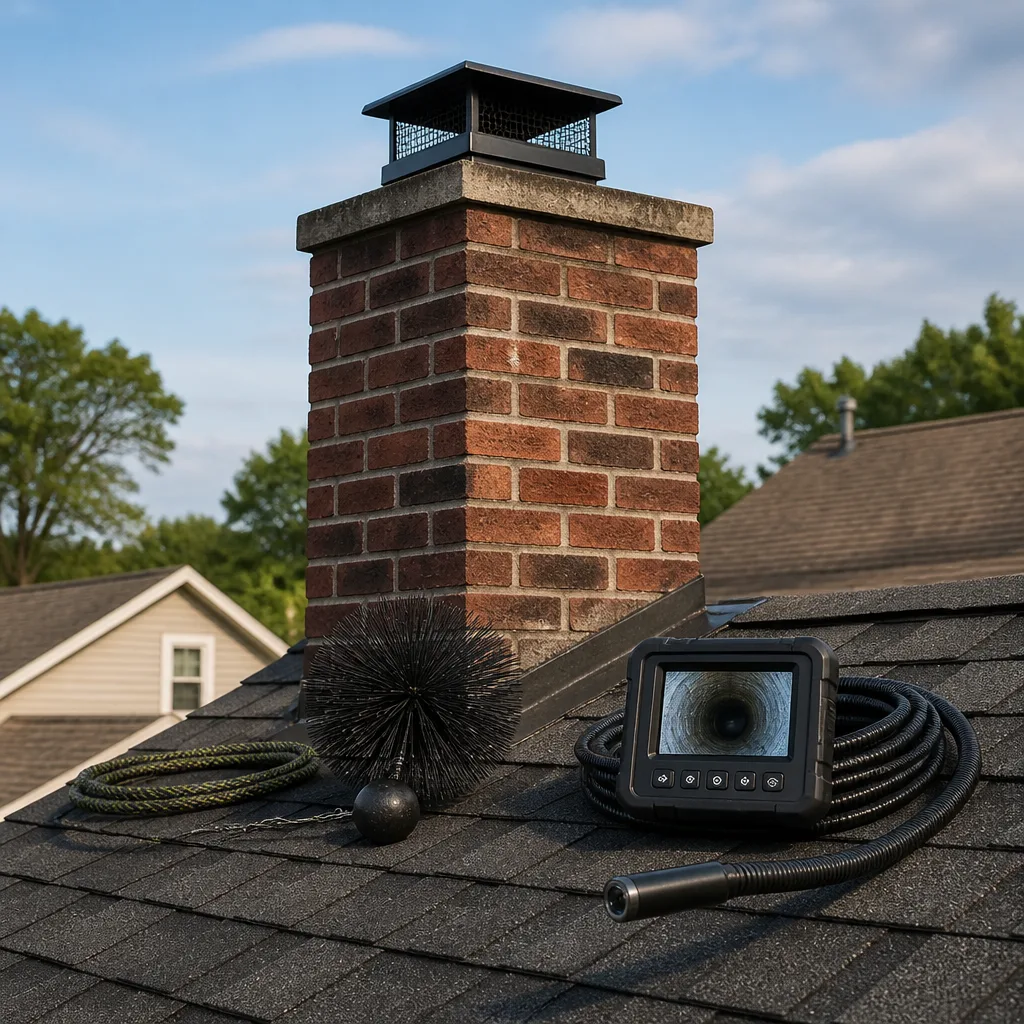
- The flue – with a camera, so we can see creosote buildup, liner cracks, and the condition of the joints the eye can’t reach.
- The crown and cap – from the roof, checking for cracks, erosion, and water pathways.
- The exterior masonry – for spalling, efflorescence, and joint erosion.
- The damper and smoke chamber – for deposits and closure function.
The result is a photo report you keep and a clear recommendation. If the masonry needs repair, that falls under chimney repair, and if the firebox or damper needs work, we handle that too through our fireplace repair service. If the issue is purely buildup, we schedule a chimney sweep and show you the difference in before-and-after photos. The Commerce City Chimney Sweep team works from the firebox to the crown, so you’re not referred to a second company mid-repair.
Common Mistakes to Avoid
- Burning treated or unseasoned wood to “burn off” a problem. Burning wet wood accelerates creosote buildup and makes a marginal flue worse. Seasoned firewood, split and stacked a year or more, is your best defense against rapid buildup.
- Waiting for smoke to come into the room. By the time smoke rolling into the living room is the symptom, there’s usually a real blockage or draft failure. Rust on the damper or efflorescence on the firebox catches the same problem earlier.
- Skipping the inspection because the sweep was fine. A clean flue isn’t the same as a sound chimney. A damaged crown or a cracked liner won’t show up in a sweep, and both can cost far more to fix once water gets in.
- Ignoring an exterior sign because you don’t have a ladder. Spalled brick, a broken crown, or a missing cap are visible from the yard. You don’t need to climb up there to notice them – you just need to look.
- Calling a roofer for a chimney problem. Roofers handle shingles and flashing. Masonry, flue liners, and crowns need a chimney specialist, or you’ll end up paying for two diagnostics and a referral delay.
- Assuming a cold chimney is a safe chimney. Glazed creosote and liner damage don’t get worse only while burning. They get worse with every wet season and every freeze-thaw cycle, so a “not burning right now” chimney can still need attention.
- Using a fireplace shortly after a hail event without an inspection. A cracked crown lets water into the masonry. The interior symptoms won’t show up until after a few wet cycles, so a post-storm inspection is what catches the damage while it’s still a small repair.
See the difference
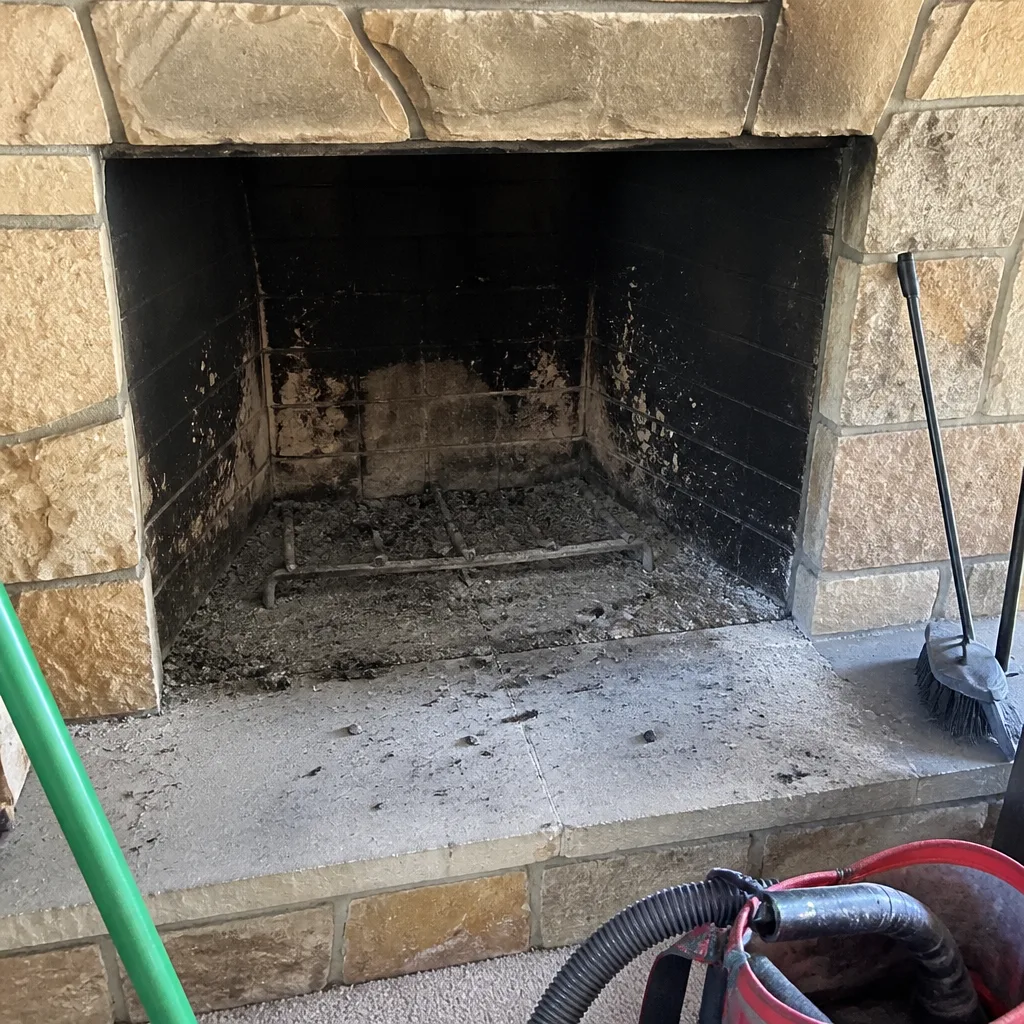 Before
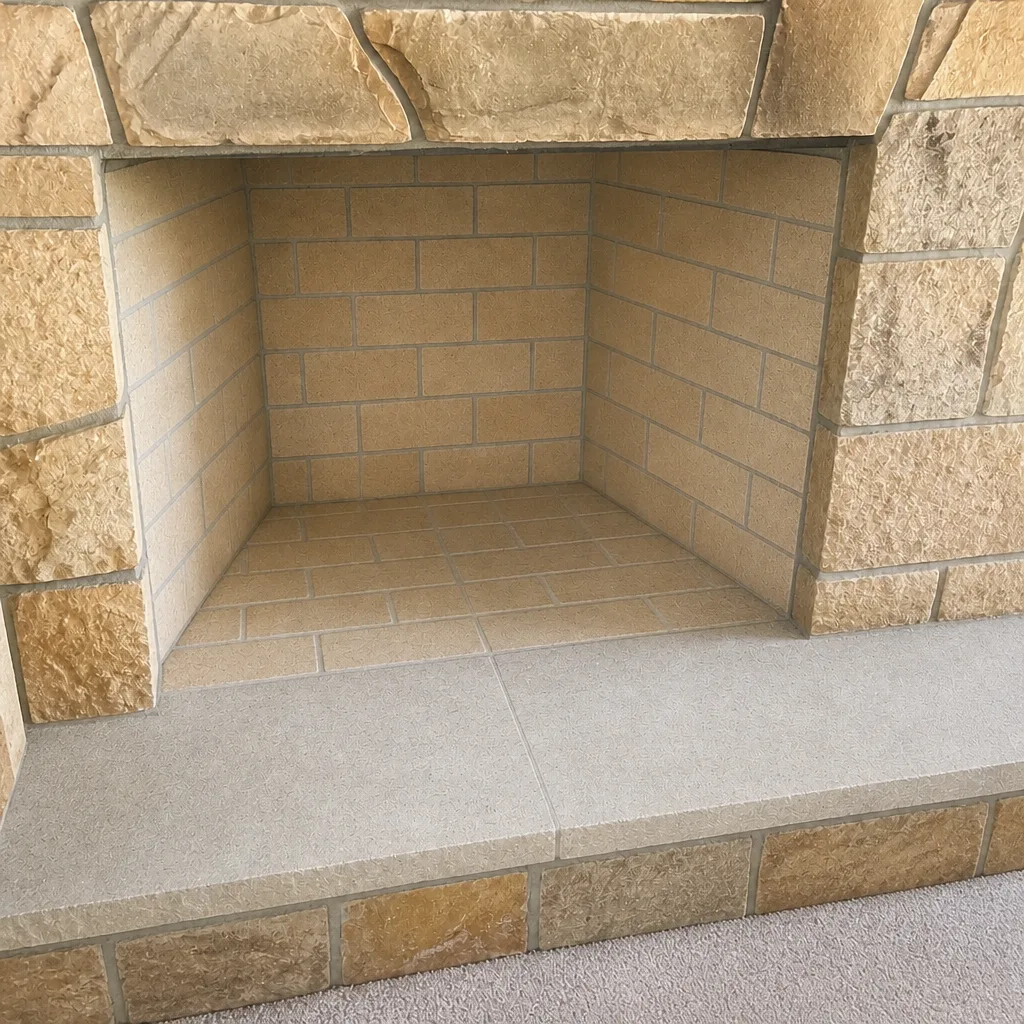 After
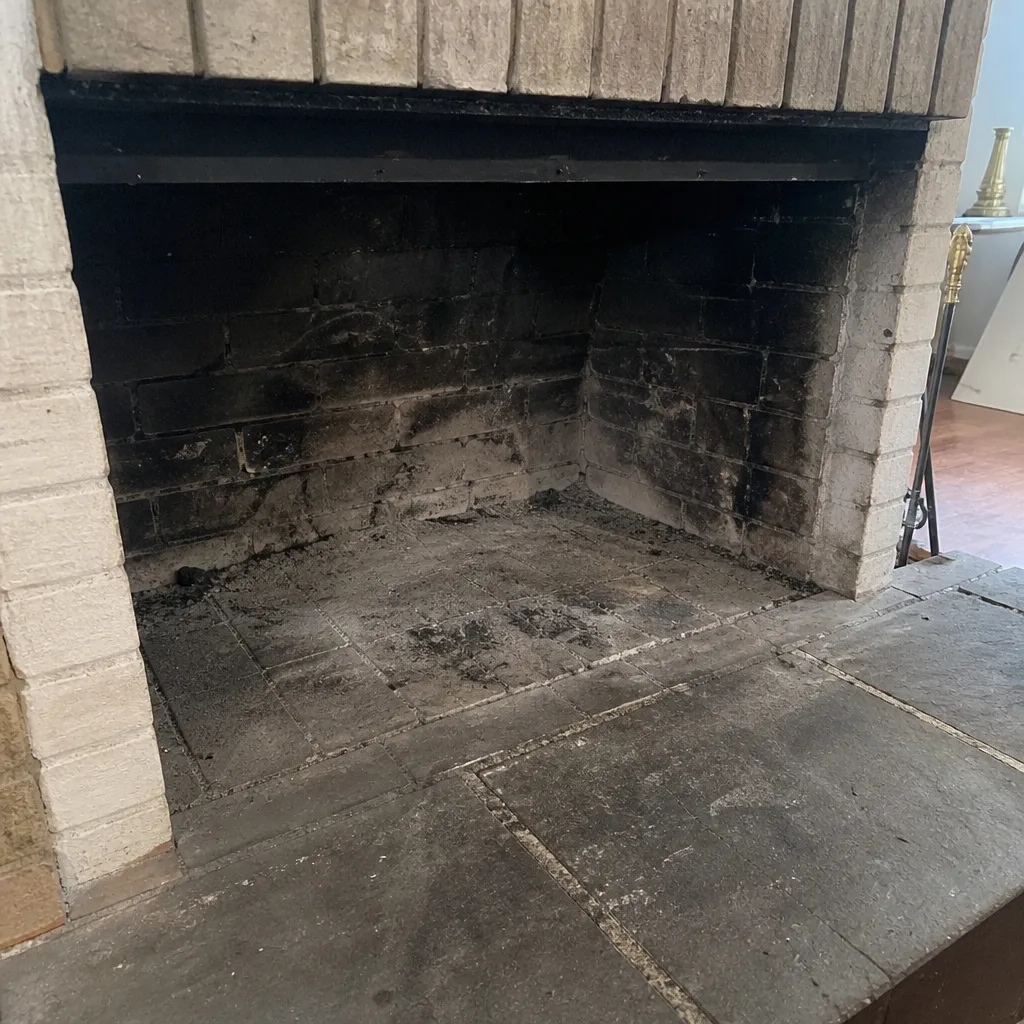 Before
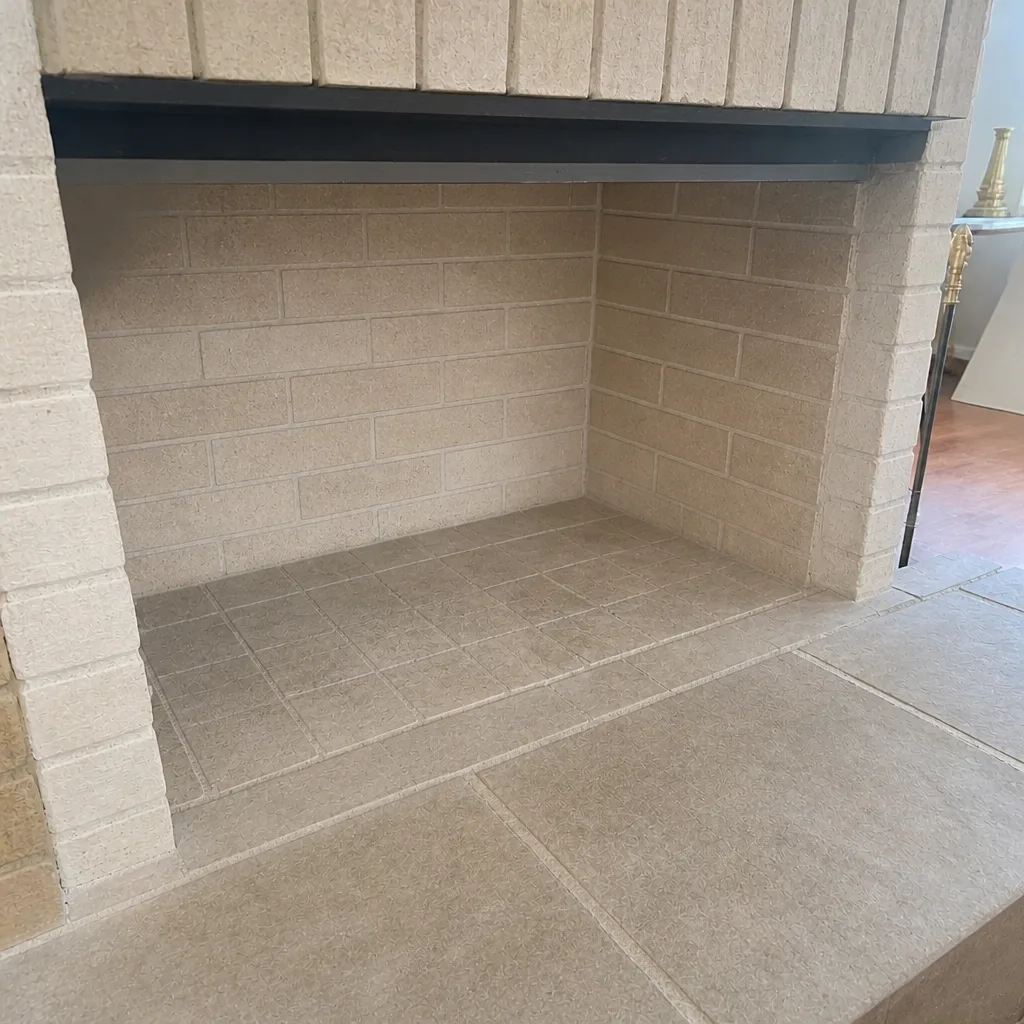 After
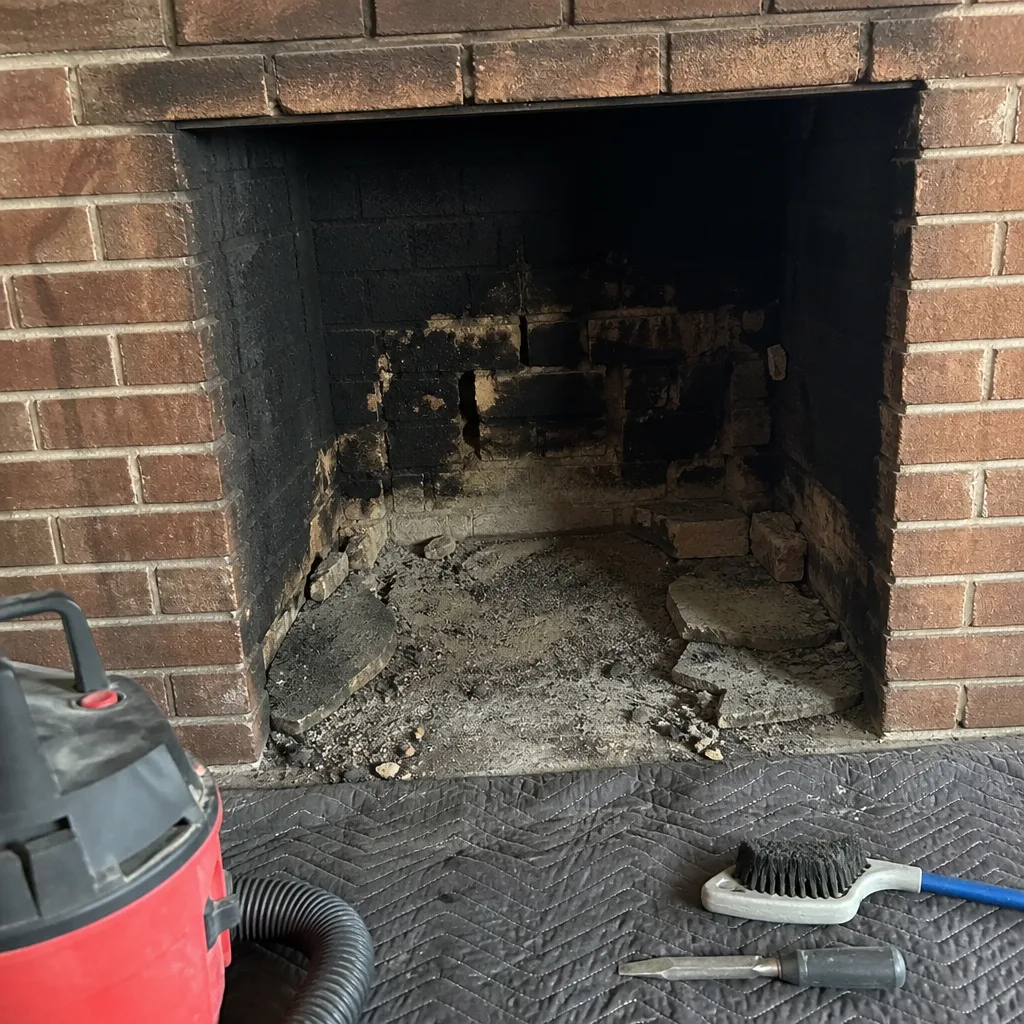 Before
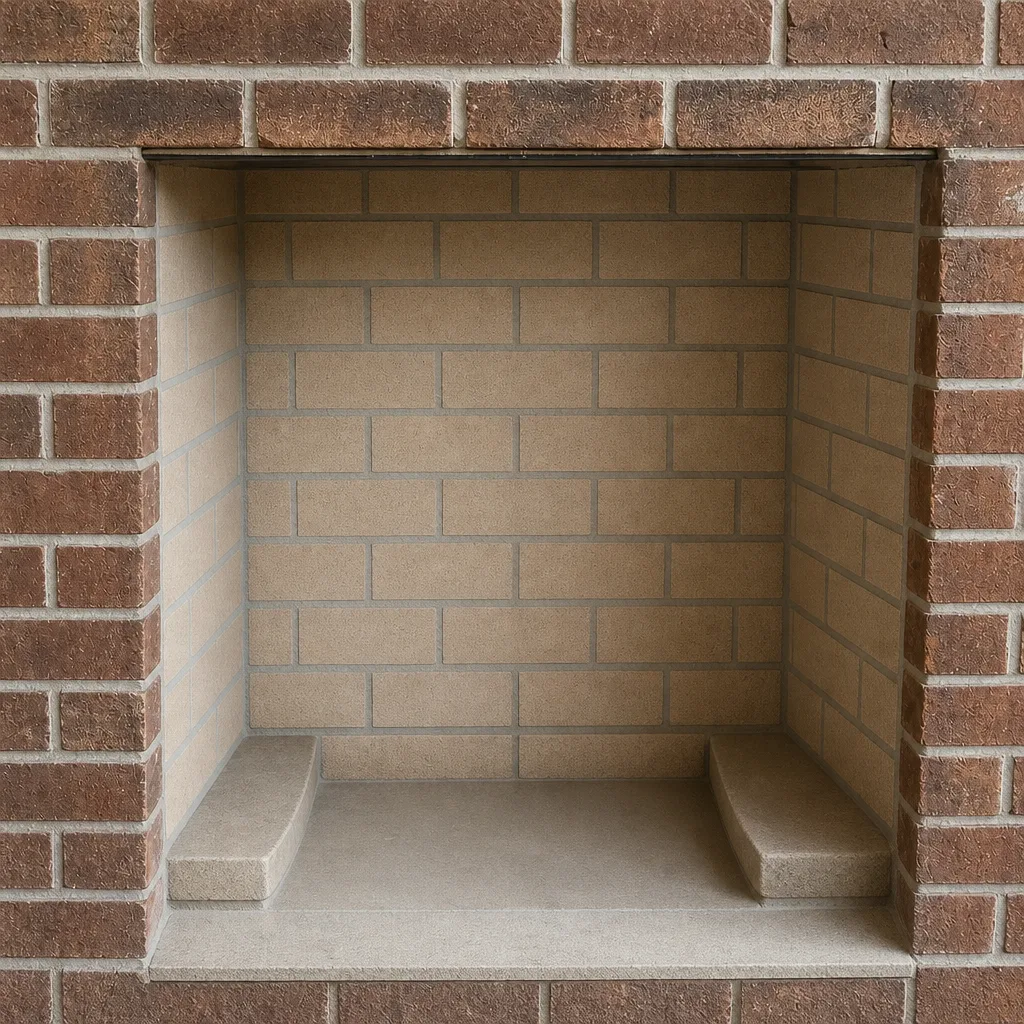 After
When to Call a Professional
Call a professional if you see daylight through your firebox mortar, if smoke rolls into the room, if you smell a sharp petroleum odor from the flue, if a fire roars and then dies with a lot of smoke, or if you notice symptoms of carbon monoxide while burning. Also call if you’ve had a hailstorm take visible damage to the roof or the chimney crown – that’s a case where an inspection should happen even though the interior looks fine. Our technicians have up to 12 years of experience, and we bring the camera so you can see what we see. The local professional we connect you with is licensed and insured as their state requires, and nothing is recommended without camera evidence you can look at yourself. Commerce City Chimney Sweep offers free estimates in Commerce City – call (855) 619-0680. We answer 24/7. Fast dispatch from 7am to 7pm, Sunday through Friday.
Frequently Asked Questions
Chimney sweep pricing is set per job by a written estimate, because a simple flue cleaning and a chimney with heavy glazed creosote take very different amounts of time and work. The estimate is free, and we put the scope in writing before we book the sweep. Call (855) 619-0680 for an exact quote – estimates are free.
Not always, and we don’t recommend one unless the camera shows it’s needed. A liner that’s cracked, spalling, or out of spec carries combustion gases it shouldn’t, but many liner findings can be restored with HeatShield resurfacing instead of full replacement. Where replacement is the right answer, we install DuraFlex liner systems. You’ll see the footage before any decision is made.
One annual inspection is the baseline, and a sweep is scheduled when the inspection shows buildup. For a wood-burning fireplace, that often means a sweep every year or every cord of wood burned, but the honest answer is that it depends on how you burn and what the flue looks like. Call (855) 619-0680 to talk through your setup – the estimate is free.
Creosote keeps building up in the flue, and in its glazed form it becomes the most combustible thing in the chimney. A chimney fire can crack the liner, letting combustion gases into the house, and a blocked flue can send carbon monoxide back into the living space. Skip one sweep and you’re not just putting off maintenance – you’re running the fireplace in a state nobody has verified is safe. Call (855) 619-0680 to get on the schedule.
A faint woodsmoke smell the day after a fire can be normal in Commerce City, particularly on cold mornings when cool air settles down the flue. A persistent smoky smell that doesn’t fade, or any sharp or acrid odor, isn’t normal, and it usually points to creosote buildup that warrants a sweep. When in doubt, call (855) 619-0680 – the estimate is free.
Yes, because the most consequential problems – a cracked liner, glazed creosote, mortar erosion inside the smoke chamber – are on the inside, and they don’t show from the yard. An inspection with a camera is how you see the parts you can’t. Call (855) 619-0680 and we’ll schedule an inspection you can review with photos before anything is recommended.
The Bottom Line
Chimney problems are usually quiet before they’re loud. Read the firebox with a flashlight, trust your nose when it tells you something’s off, notice how your fires light and burn, and look at the exterior from the yard after any big weather event. Those four habits catch most of what matters before it turns into an urgent call. When you’re ready to have the whole system checked, from the firebox to the crown, we do a sweep, run a camera, and show you exactly what we found. Commerce City Chimney Sweep works with professional-grade brands including DuraFlex, HeatShield, Olympia Chimney, and Famco, and we’re set up to handle cleaning, cap and crown work, fireplace repair, and chimney repair without handing you off to another company mid-job.
Call (855) 619-0680 for a free estimate. We answer 24/7. Fast dispatch from 7am to 7pm, Sunday through Friday.
Written by the team at Commerce City Chimney Sweep.