
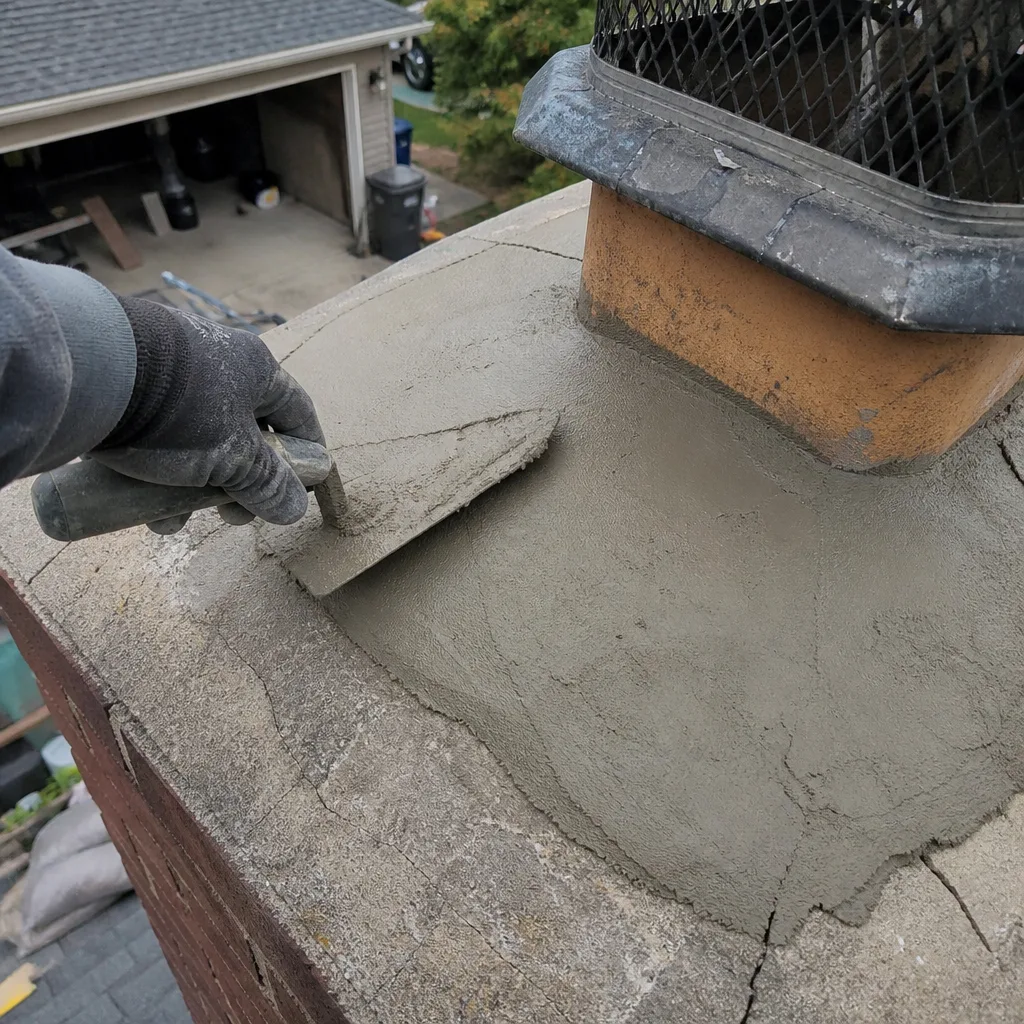
Last updated November 23, 2026
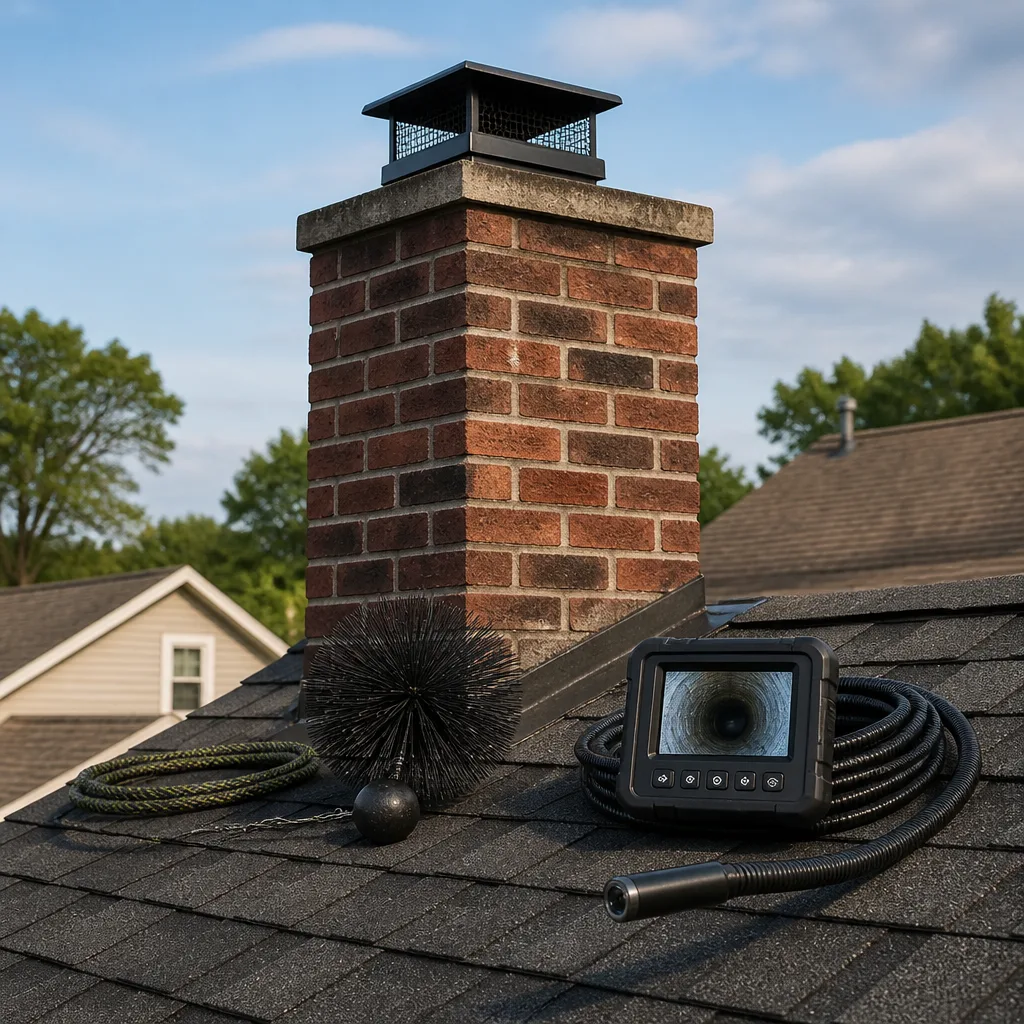 Sweep & inspection
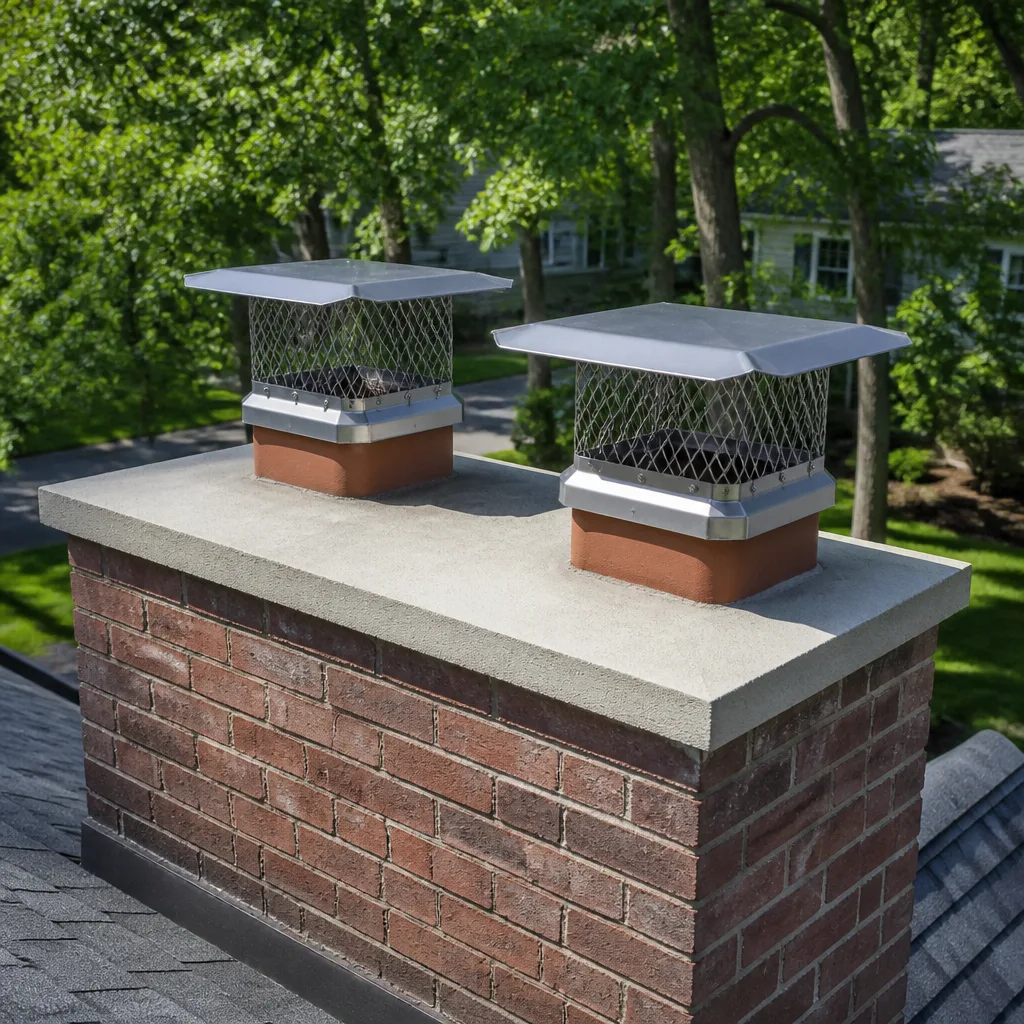 Caps & crowns
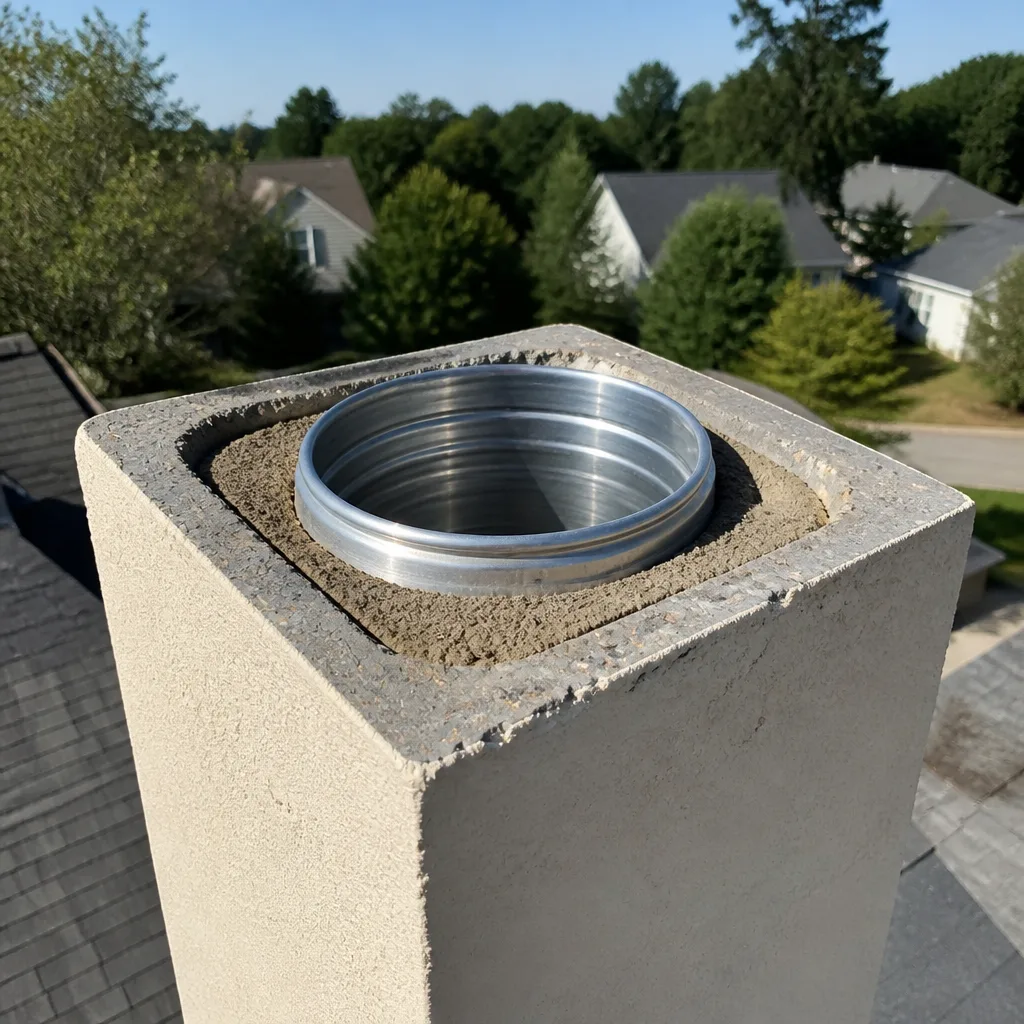 Flue relining
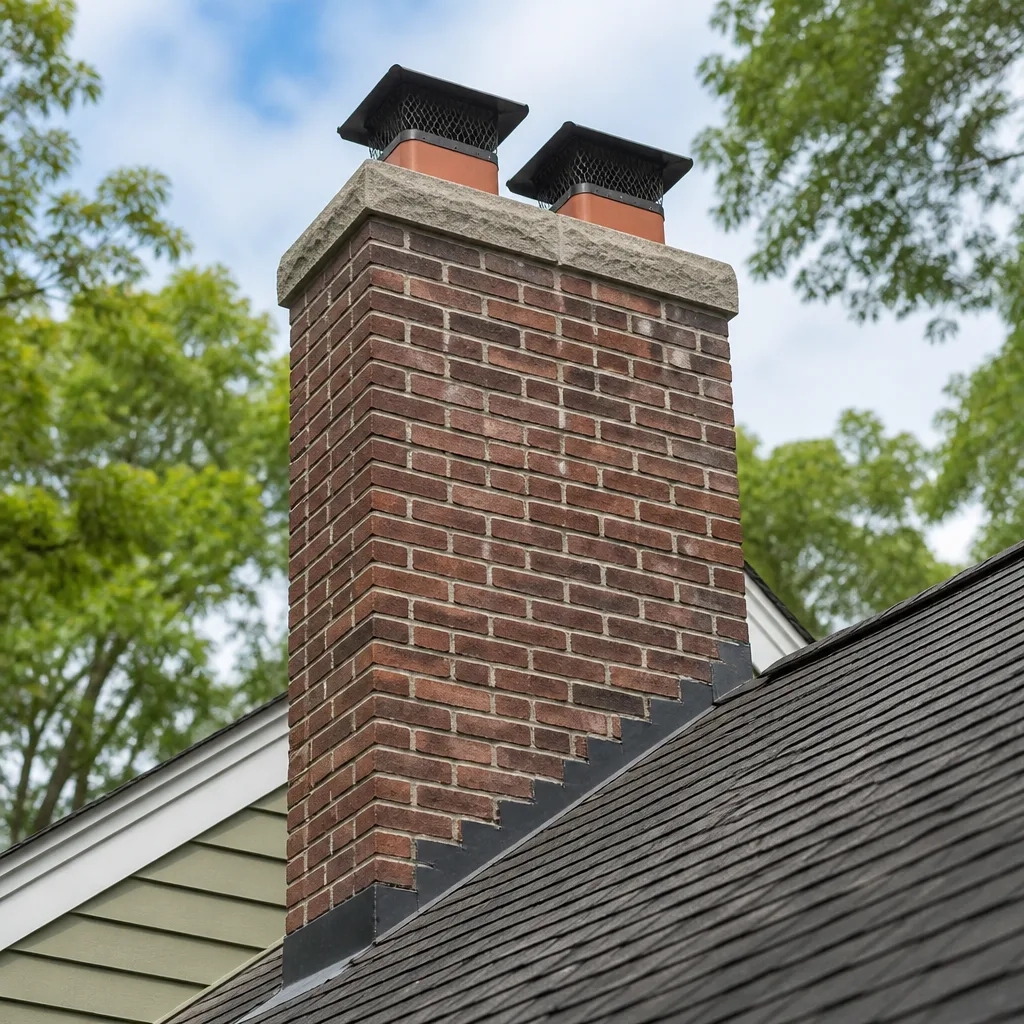 Masonry repair
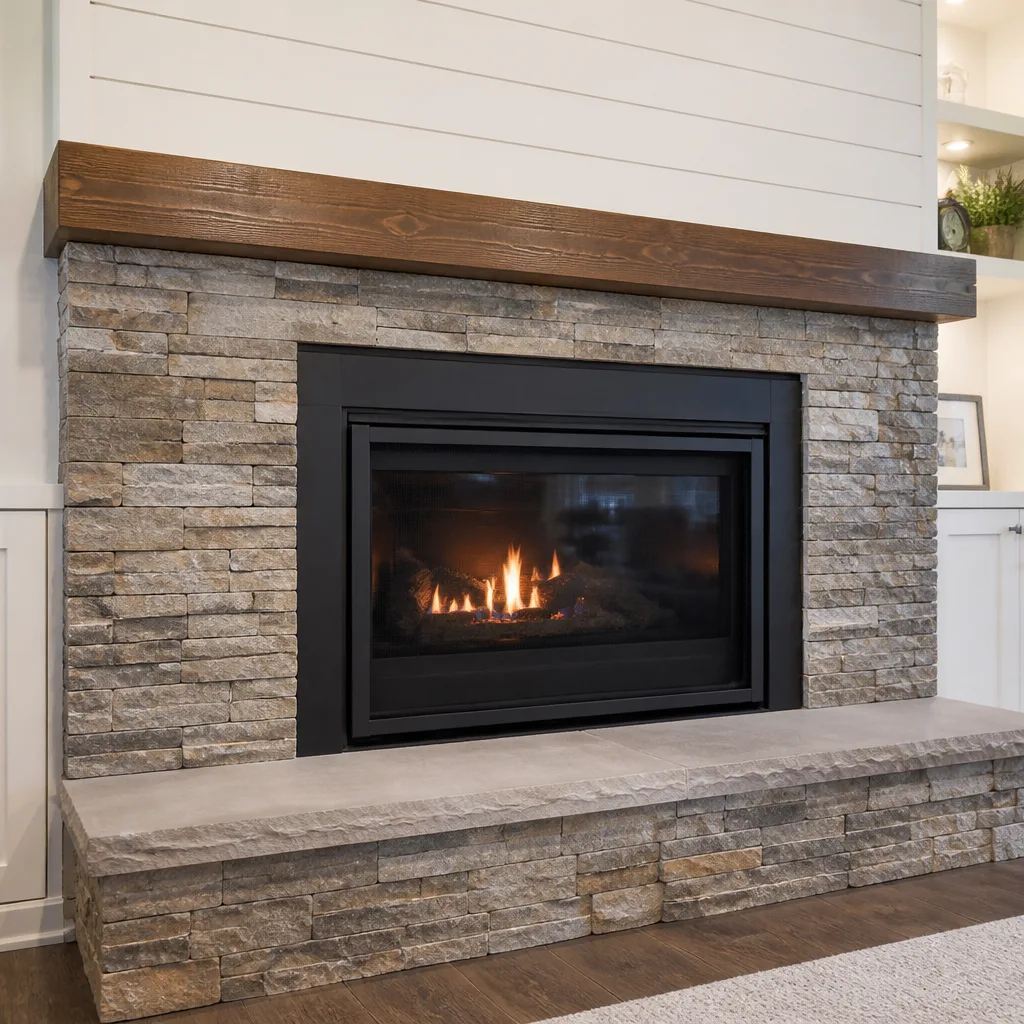 Gas fireplace service
Level 1 sweep and inspection to the NFPA 211 annual standard - flue, crown, cap, and flashing checked and photographed
Chimney sweep logs do not sweep chimneys. They loosen some creosote - which then falls where a brush and vacuum still have to collect it.
Chimney Sweep Maintenance Schedule: What to Do and When
Most homeowners treat an annual sweep as the whole plan. It isn’t. The national standard everyone quotes – inspect annually, sweep as needed – was written as a safety floor, the minimum below which nobody should fall. It was never meant to be a complete maintenance calendar. That gap matters in Commerce City, where a dry fall, a windy spring, and a long burn season work on your chimney in different ways at different times of year. A flue that passes inspection in September can have a cracked crown by April. This guide lays out a real twelve-month schedule for your chimney, splits the work into what you can do yourself and what needs a technician, and shows how keeping a simple log turns a vague “it’s probably fine” into documented history.
Quick Answer
A working chimney maintenance schedule runs on three rhythms: an annual professional inspection and sweep before the heating season, a light homeowner check every few months (cap, crown, flashing, visible masonry), and a post-season look in spring to catch winter damage before it spreads. The annual inspection is the anchor. Everything else is what keeps the anchor from becoming an emergency.
Styles & brands we work with
- Sweep & inspection
- Caps & crowns
- Flue relining
- Masonry repair
- Gas fireplace service
Table of Contents
- Why a Single Annual Sweep Isn’t a Maintenance Schedule
- The Month-by-Month Chimney Calendar
- Pre-Season vs. Post-Season Inspection: Why Both Matter
- How Wood and Burn Frequency Change Your Cleaning Interval
- Component Lifespans: Cap, Crown, Flashing, Liner
- Keeping a Chimney Log That Works for You and Your Insurer
- What You Can Check Yourself vs. What Needs a Technician
- Common Mistakes to Avoid
Why a Single Annual Sweep Isn’t a Maintenance Schedule
The line most homeowners remember from chimney guidance is “inspect annually.” That’s the safety baseline, and it’s a good one. But it answers only one question: is this chimney safe to use right now? It doesn’t cover the parts of the system that fail between inspections – the cap that blows loose in a spring windstorm, the crown that develops a hairline crack over a freeze-thaw cycle, the flashing that pulls away from the roofline after a hail event. None of those show up in a fall sweep if they happen in May. By September, a small water intrusion has had four months to soak into masonry and freeze and thaw its way into a real problem.
In our experience across Commerce City, the difference between a chimney that lasts and one that needs major structural work usually comes down to whether the homeowner caught the small stuff early. A cracked crown is a resealing job. The same crack left through two winters can mean rebuild work at the top of the stack. Same component, wildly different scope.
A real maintenance schedule has layers. The annual inspection and sweep is the foundation. On top of that sit seasonal homeowner checks, prompt repair of anything the checks turn up, and a record of all of it. That’s what this guide lays out.
Key Takeaways
- Annual inspection is the floor, not the full plan.
- Homeowner checks every few months catch the between-inspection failures.
- Pre-season and post-season inspections serve two different diagnostic purposes.
- Burn frequency and wood species set your real cleaning interval.
- A simple chimney log makes every inspection faster and gives you insurance documentation.
The Month-by-Month Chimney Calendar
A practical chimney schedule maps to Colorado’s seasons, not to a generic national template. Commerce City sits in a semi-arid climate with sharp freeze-thaw swings in late fall and early spring, drying winds, and a burn season that often stretches from October into March. Here’s how the year breaks down, and who does what.
The Homeowner’s Year
- March – post-winter exterior walk-around. Look at the cap, crown, flashing, and any visible masonry from the ground. Note cracking, missing cap hardware, or staining. No climbing.
- April – book the post-season inspection. Spring is when winter damage is still fresh and visible. A technician documents condition and flags anything that should be repaired before the fall rush.
- May – clear the firebox and clean the glass if you have a gas unit. Ash left sitting through summer holds moisture against the firebox floor.
- June – check the chimney from inside the attic or at the ceiling penetration if accessible. Staining on the masonry or ceiling around the flue is a water-intrusion signal. Report, don’t repair.
- July – do the repair work spring flagged. Crown cracking, cap damage, and flashing issues are easiest to address in dry weather.
- August – pre-season sweep and inspection. Get on the books before the September crunch. This is the inspection that clears the chimney for the coming burn season.
- September – stock and season firewood. Wood split now and stacked covered will be drier by December. Wet wood is the main driver of fast creosote buildup.
- October through February – monitor and log. Note burns, unusual smoke behavior, odor, or draft changes. Report anything that changes.
The Technician’s Year
Two of those months are professional touchpoints: the August pre-season inspection and sweep, and the April post-season inspection. Anything the homeowner flags during the winter gets scheduled as a diagnostic visit. The pattern holds whether we’re working in Commerce City or across the north metro, but the timing tightens here because the burn season is long and the freeze-thaw damage window is real. Getting the pre-season sweep done in August instead of October means problems surface while there’s still time to fix them before the first hard freeze.
Pre-Season vs. Post-Season Inspection: Why Both Matter
Homeowners often assume two inspections a year is overkill and the fall one covers everything. It doesn’t, because a pre-season inspection and a post-season inspection are answering different questions. Skipping either one leaves a blind spot.
What a Pre-Season Inspection (August-September) Answers
- Is this chimney safe to burn in right now? That’s the core question. The technician confirms the flue is clear, the liner is intact, the cap is seated, and there’s no obstruction from birds, squirrels, or debris.
- How much creosote has accumulated, and what stage is it? Glazed creosote – the hard, shiny, tar-like stage – needs different treatment than fluffy soot.
- Is anything blocking the draft? A partially blocked flue causes smoke rollback and carbon monoxide risk. This is the inspection that catches it before the fire gets lit.
- Is the firebox or damper compromised? Both are checked and, if repair is needed, we can handle it as part of the same visit through our fireplace repair work.
What a Post-Season Inspection (April-May) Answers
- What did the burn season do to the chimney? A full winter of heating stresses the system in ways a fall inspection can’t predict.
- Is there freeze-thaw damage at the crown or masonry joints? This is the single biggest cause of slow water damage in Commerce City chimneys. Catching it in April, before summer rains, is the difference between a reseal and a rebuild.
- Is the cap still seated correctly? Spring wind events and hail do more cap damage than most homeowners realize.
- Is the flashing still tight against the roof? Small gaps open over winter and let water track down the flue exterior.
- Did the burn season produce any unexpected creosote load? If you burned wet wood or more than usual, the post-season inspection catches the result.
Two touchpoints a year, one answering “is it safe to use” and one answering “what did using it cost me.” That’s what a real schedule looks like. Neither one replaces the other.
How Wood and Burn Frequency Change Your Cleaning Interval
The “sweep once a year” rule is a simplification. In practice, the interval between sweeps depends on how much you burn and what you burn. Two Commerce City homes with the same chimney can need entirely different cleaning schedules if one burns seasoned hardwood three nights a week and the other burns a fire a few times a season.
What Drives Creosote Accumulation
- Wood moisture. Wet wood burns cooler and smolders more, which is the recipe for fast creosote. Seasoned wood under 20% moisture is the target.
- Burn frequency. Daily burns during heating season accumulate creosote far faster than occasional use.
- Wood species. Hardwoods like oak and maple burn hotter and cleaner than softwoods like pine or fir. A hardwood-heavy burn schedule produces less creosote per cord.
- Draft quality. A short flue, an oversized firebox, or a blocked cap all reduce draft and increase creosote. The chimney design matters as much as the fuel.
- Burn technique. Small hot fires produce less creosote than long, slow, smoldering burns.
Realistic Cleaning Intervals
- Heavy use (four or more fires per week through the season): sweep once a year at minimum, and expect the technician to recommend twice if glazed creosote is showing up.
- Moderate use (one to three fires per week): annual sweep, with the post-season inspection confirming the accumulation rate.
- Light use (a handful of fires per season): annual inspection is still required, but the sweep can sometimes stretch to every other year based on what the inspection shows.
- Gas fireplaces: annual inspection still matters, but creosote isn’t the concern – the technician is checking venting, the pilot assembly, and the firebox.
The best way to know your real interval is to have the chimney inspected after a full burn season and let the technician measure what’s there. Two years of that data and your cleaning schedule becomes specific to your home instead of generic.
Component Lifespans: Cap, Crown, Flashing, Liner
Every part of the chimney has a different service life, and treating them as all the same age is one of the most common reasons homeowners get surprised by repair costs. Here’s the rough map we use, and how often each one deserves a look.
The Cap
The cap is the metal or mesh cover at the top of the flue. It keeps rain, snow, birds, and squirrels out. Typical life is ten to fifteen years in a semi-arid climate with wind and hail. Check it every spring and fall, and replace it when the mesh rusts through or the mounting hardware pulls loose. A missing cap is the single fastest route to water intrusion, animal nests, and a blocked flue.
The Crown
The crown is the concrete or masonry slab that slopes away from the flue at the top of the chimney. It’s designed to shed water. Typical life is fifteen to twenty years if it’s maintained, much less if it’s never sealed. Cracks in the crown let water into the masonry below, and once that water freezes, the masonry spalls. Check the crown annually. Reseal it when cracking appears. A crown replacement is a fraction of the cost of a rebuild.
The Flashing
Flashing is the metal that seals the joint between the chimney and the roof. It’s the most common source of chimney leaks and the most frequently ignored. Typical life is fifteen to twenty years, shorter after repeated hail events. Check the flashing every spring and after any major storm. A flashing failure shows up as a leak at the ceiling, sometimes months after the actual failure.
The Flue Liner
The liner is what carries exhaust out of the house. A clay tile liner can last decades if it’s protected, but cracking from freeze-thaw and from heat cycling is normal over time. A stainless liner system, like the DuraFlex products we install, is built to hold up over the long term and, in many cases, is the practical solution when a clay liner has deteriorated. Check the liner at every annual inspection. Any crack, gap, or missing section needs attention – a compromised liner is a carbon monoxide path into the house. If the inspection shows liner problems, we handle the installation instead of referring it out, using professional-grade systems from DuraFlex, Olympia Chimney, and other established manufacturers.
Firebox and Damper
Both take direct heat and both wear over time. Neither has a fixed lifespan – it depends on burn frequency and technique. What matters is checking them at every annual inspection. Firebox deterioration can often be restored with HeatShield materials rather than demolished and rebuilt. That’s a specialty worth knowing about, because it changes what a repair can cost.
Keeping a Chimney Log That Works for You and Your Insurer
A chimney log is a simple record of every inspection, sweep, repair, and burn-season observation. It sounds like busywork until you need it. Two situations where a log pays for itself: an insurance claim after a chimney fire or water-damage event, and a home sale where a buyer’s inspector wants proof of maintenance history. A stack of documented visits is a much better answer than “I think it was swept a couple of years ago.”
What to Log
- Date of every service visit and what the technician did.
- Photos of the chimney before and after any repair. Most inspectors include these; keep them in one place.
- Creosote level at each sweep – ask the technician to note it. This is what tells you whether your interval is right.
- Any component replacement – the cap, crown, flashing, and liner should each have their own line with a date.
- Burn-season observations: smoke rollback, unusual odor, draft changes, or ash buildup. Note the date and what you saw.
- Firewood source and moisture testing. If you’re seasoning your own wood, note when it was split and when it was burned.
How to Keep It
Paper works. A folder with a printed sheet for each visit is fine. A notes file on your phone works too – take a photo of every inspection report as it comes in. The format matters less than the habit. When a technician arrives, having the log ready saves diagnostic time and gives the on-site pro context the report alone can’t. When you go to sell, it’s a documentation package that often shortens negotiations. And if you ever file an insurance claim related to the chimney, it’s the difference between “we can’t verify maintenance” and “here’s the history.”
What You Can Check Yourself vs. What Needs a Technician
The line between homeowner checks and professional work is mostly about height and depth. Homeowner checks happen from the ground, from the ceiling, or from the attic – anywhere without climbing or reaching into the flue. Everything above that or inside the flue needs a technician. Here’s how to sort it.
What You Can Do
- Exterior walk-around. Look at the cap, crown, and flashing from the ground. Note anything visibly cracked, missing, or stained.
- Interior ceiling and attic. From a ladder inside the house, look at the ceiling around the flue. From inside the attic, look at the masonry and around the penetration. Staining or efflorescence is a water signal.
- Firebox and hearth. Visual check of the firebox floor and walls. Note cracks, spalling, or missing mortar. Do not attempt repairs.
- Smoke observation. Note how the fire starts, how the smoke behaves, and whether it pulls cleanly. Changes are data for the next inspection.
- Firewood moisture. A cheap moisture meter is a worthwhile investment. Split a piece and test the inside face. Under 20% means seasoned.
What Needs a Technician
- Climbing the roof, opening the cap, or looking down the flue. Rooftop work is a fall hazard and requires proper ladders and fall protection. Never a homeowner job.
- Running a brush through the flue. Sweeping a flue correctly requires the right brush for the liner, controlled technique, and a vacuum system. A poorly swept flue can dislodge creosote and create a hazard.
- Camera inspection of the flue and firebox. A chimney camera looks for cracks, gaps, and joint failures a visual surface check can’t see. This is what makes our chimney sweep visits diagnostic rather than cosmetic.
- Any repair to the cap, crown, flashing, or liner. These are the parts of the system where doing it wrong once means water damage that costs far more than the original repair. If a cap or crown needs replacement, that falls under our cap and crown work, and a liner repair or replacement is part of our chimney repair scope.
- Firebox repair. Firebox deterioration needs a technician who knows refractory materials and HeatShield restoration. Attempting this yourself risks weakening the one barrier between the fire and the house.
The simple test: if it requires a ladder, a tool in the flue, or a material you don’t already work with, it’s not a homeowner job. The homeowner’s role in the schedule is observation and logging. The technician’s role is diagnosis and repair.
Common Mistakes to Avoid
- Skipping the post-season inspection. The pre-season inspection confirms safety; the post-season one catches damage. Skipping April means an entire summer of unnoticed water intrusion. This is the mistake we see most often in Commerce City.
- Waiting for a warning sign to book the inspection. Smoke rollback, odor, and visible cracking are late-stage signals. A working schedule books the inspection before any sign shows up.
- Treating the annual sweep as a full inspection. A sweep clears the flue. An inspection looks at the cap, crown, flashing, liner, firebox, and damper. They’re different services, and both belong in the schedule.
- Burning wet or unseasoned wood to stretch firewood supply. Wet wood is the single biggest driver of fast creosote accumulation. It shortens the interval between sweeps and increases chimney fire risk.
- Ignoring cap damage until winter. A cap knocked loose by a spring storm lets water and animals in all summer. It’s a small, easy replacement in May and a real repair problem by October.
- Not keeping records. Without a log, every inspection starts from zero and every insurance claim starts from “prove it.”
- Having the chimney swept by a service that doesn’t inspect. Sweeping without a camera inspection is like cleaning a car without opening the hood. The problems live in the parts you can’t see from outside.
See the difference
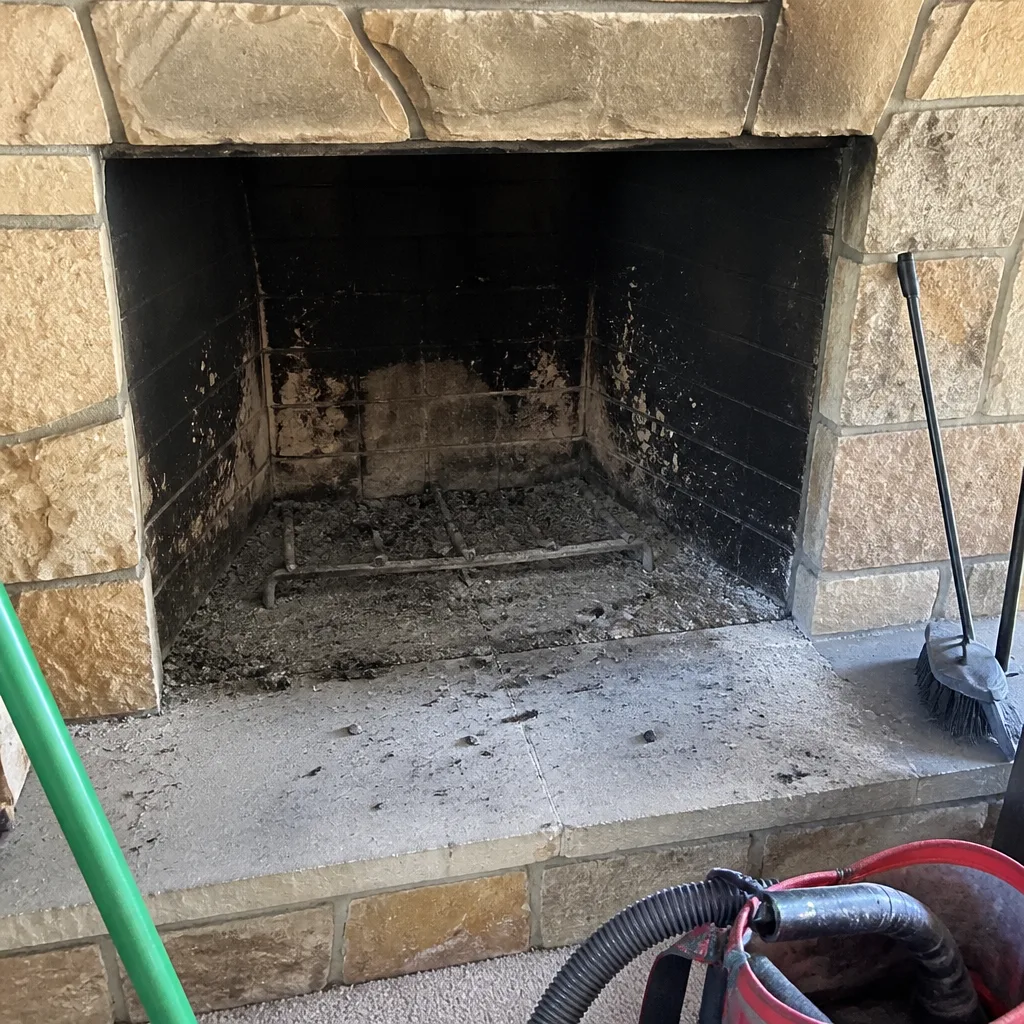 Before
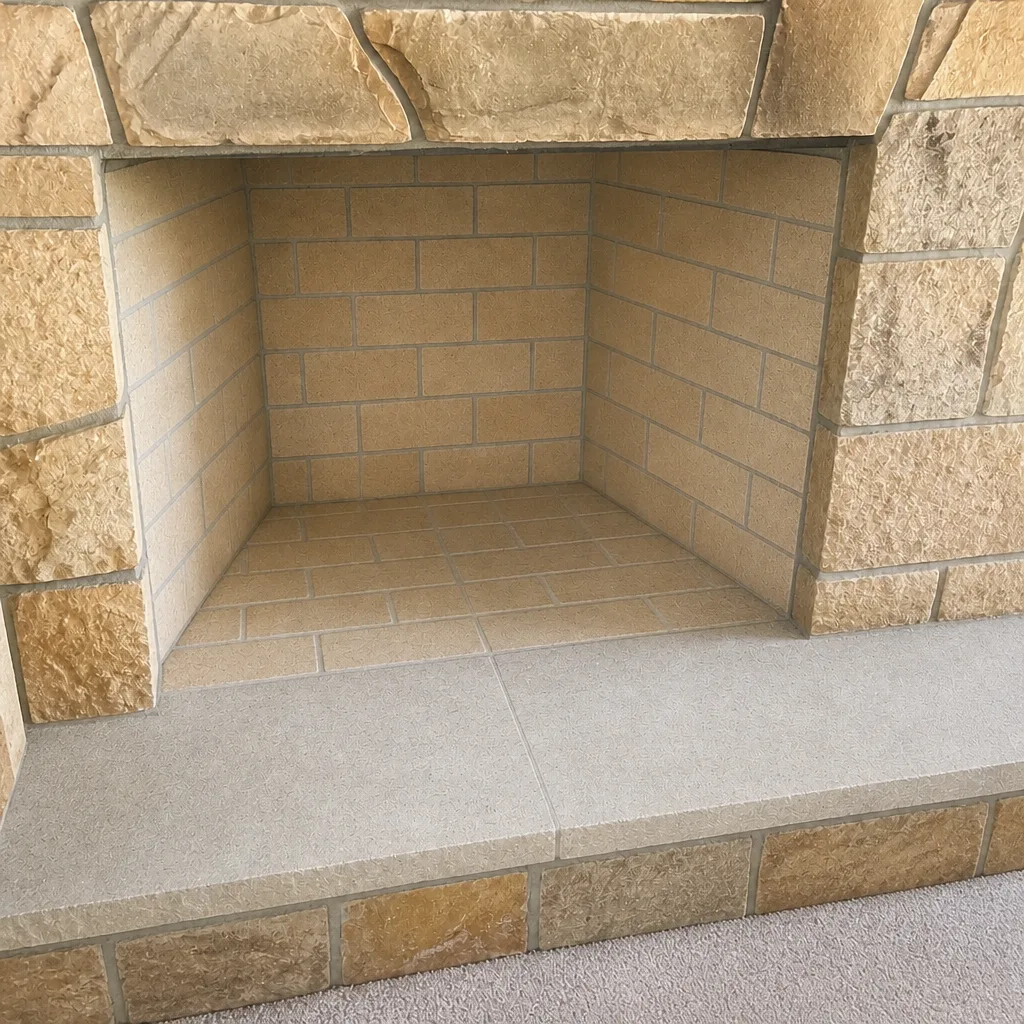 After
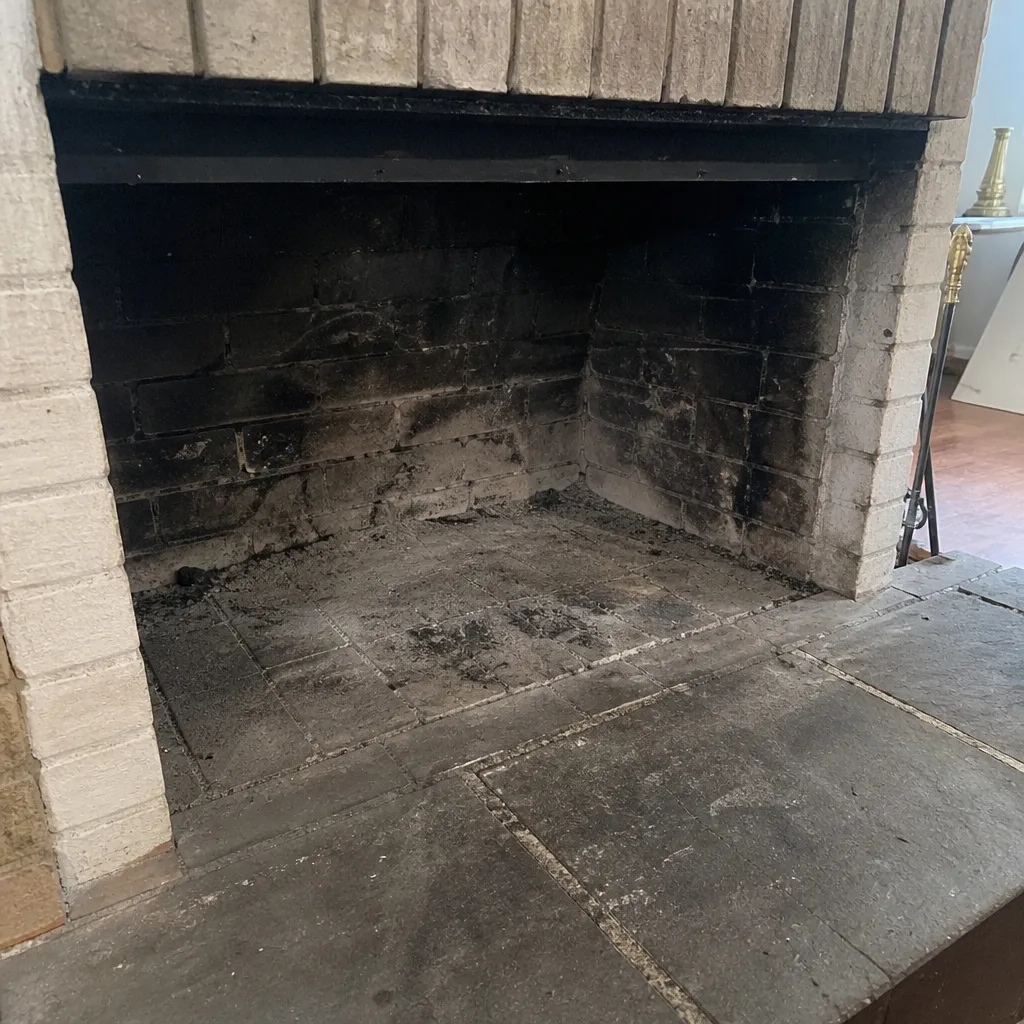 Before
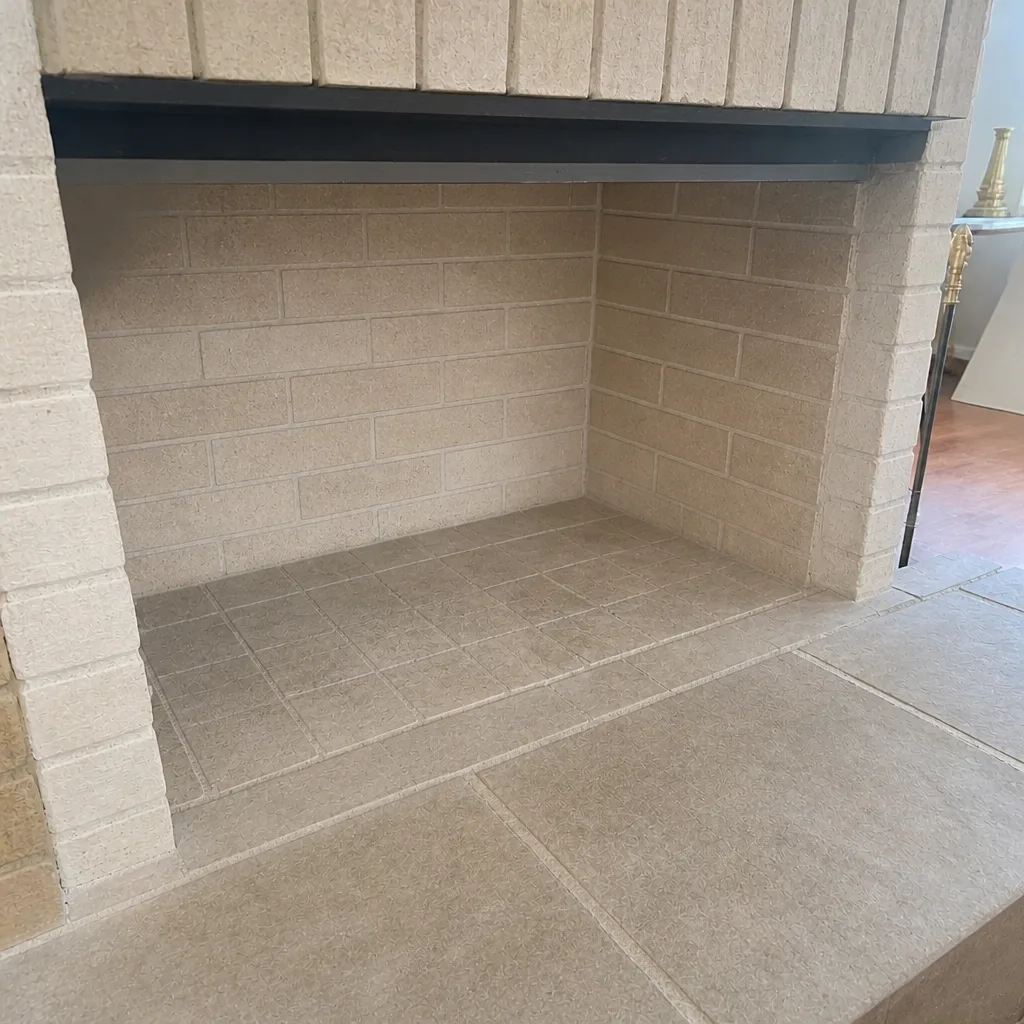 After
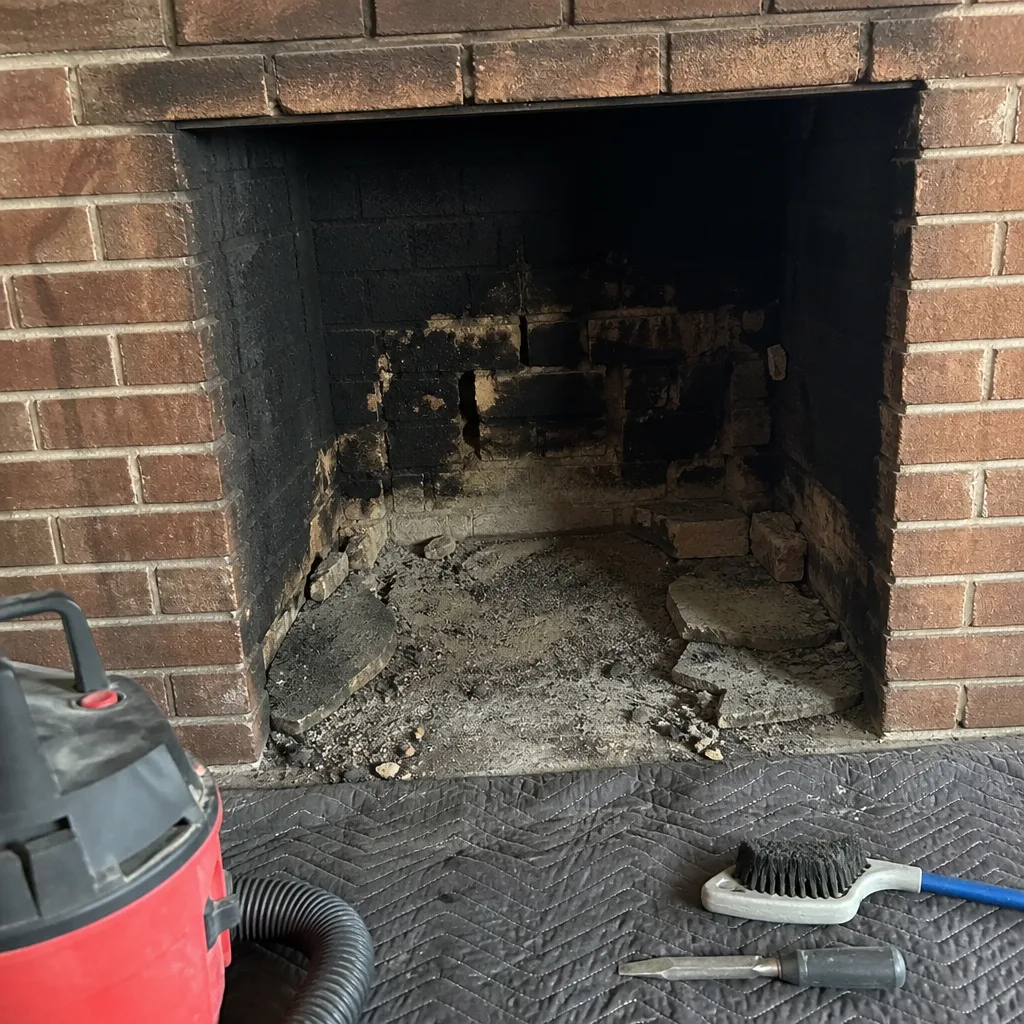 Before
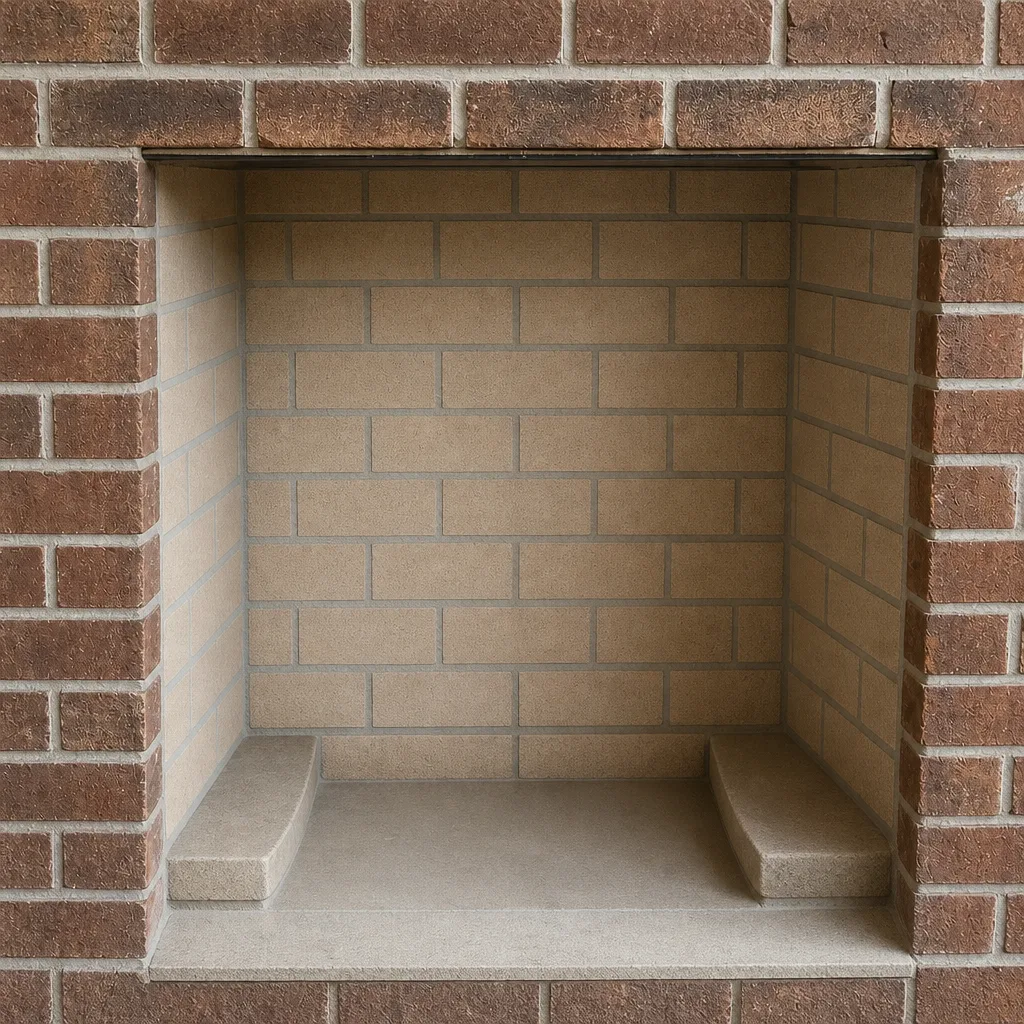 After
When to Call a Professional
Some things fall cleanly onto the professional side of the schedule. Book a call if any of these apply:
- You’ve never had the chimney inspected, or you don’t know when it was last swept.
- Smoke rolls back into the room when you light a fire.
- You notice a strong odor from the firebox, especially in warm weather.
- You can see cracking in the crown, gaps in the flashing, or a missing or damaged cap.
- You’ve burned through a full season and want to know the creosote level.
- You notice staining on the ceiling or attic around the flue.
- It’s been more than twelve months since the last inspection.
Commerce City Chimney Sweep offers free estimates in Commerce City – call (855) 619-0680. We answer 24/7. Fast dispatch from 7am to 7pm, Sunday through Friday. Our technicians have up to 12 years of experience across the full system, from sweep to cap and crown, and we work with professional-grade brands like DuraFlex, HeatShield, Gelco, Olympia Chimney, Famco, and Copperfield so one call covers the whole chimney. If you’re the kind of homeowner who wants to see what’s wrong before you decide what to fix, our inspection-first approach through Commerce City Chimney Sweep is built around that.
Frequently Asked Questions
Once a year minimum if you burn regularly, more often if you burn heavily or see glazed creosote. The annual inspection is the anchor – the technician measures what’s there and recommends the cleaning interval specific to your burn rate and wood. Call (855) 619-0680 to schedule an exact quote – estimates are free.
Yes, and for a specific reason: pre-season inspection confirms safety before you light a fire. Post-season inspection catches what the burn season actually did to the chimney. Different questions, different data. Call (855) 619-0680 to book either one.
Small problems stay hidden and get bigger. A cracked crown turns into water-soaked masonry. A cracked liner turns into a carbon monoxide path. A blocked flue turns into smoke rollback. None of these announce themselves early. Call (855) 619-0680 for an exact quote – estimates are free.
Freeze-thaw cycles in late fall and early spring are the main factor. Water gets into a crown crack or a flashing gap, freezes, and expands – and that cycle repeats through the season. That’s why the April post-season inspection matters as much as the September pre-season one in Commerce City. Call (855) 619-0680 for an inspection.
Yes. Burn frequency and wood moisture set the real interval, not the calendar. A heavy-burn household may need two sweeps a year. A light-burn household may go every other year on the sweep if the inspection supports it. Call (855) 619-0680 for an exact quote on your chimney.
Start a chimney log, if you don’t already have one. It takes five minutes and pays off for years. Then, if it’s been more than twelve months since the last inspection or sweep, book the visit. Call (855) 619-0680 to schedule. We answer 24/7. Fast dispatch from 7am to 7pm, Sunday through Friday.
The Bottom Line
A working chimney maintenance schedule is more than an annual sweep. It’s a pre-season inspection, a post-season inspection, homeowner checks in between, repair of anything either inspection flags, and a written log of all of it. In Commerce City, the freeze-thaw cycle makes the post-season visit the most important piece most homeowners skip. The costs of doing the full schedule are reasonable and the costs of skipping it are not. Our team handles the full system from firebox to crown, using professional-grade brands like DuraFlex and HeatShield, so a single call covers inspection, sweep, repair, and component replacement. Get on the schedule before the next heating season starts. Call (855) 619-0680 for a free estimate. We answer 24/7. Fast dispatch from 7am to 7pm, Sunday through Friday.
Written by the team at Commerce City Chimney Sweep.