
Last updated November 23, 2026
 Sweep & inspection
 Caps & crowns
 Flue relining
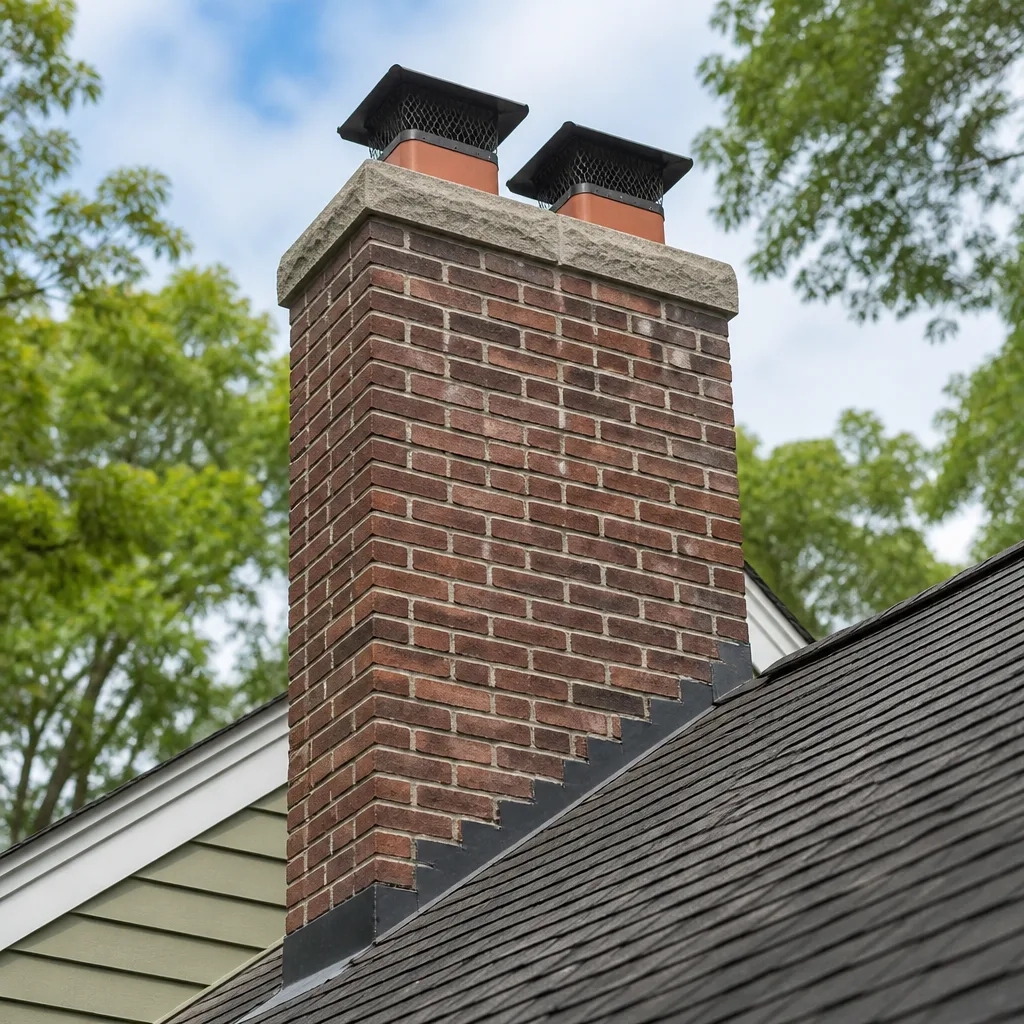 Masonry repair
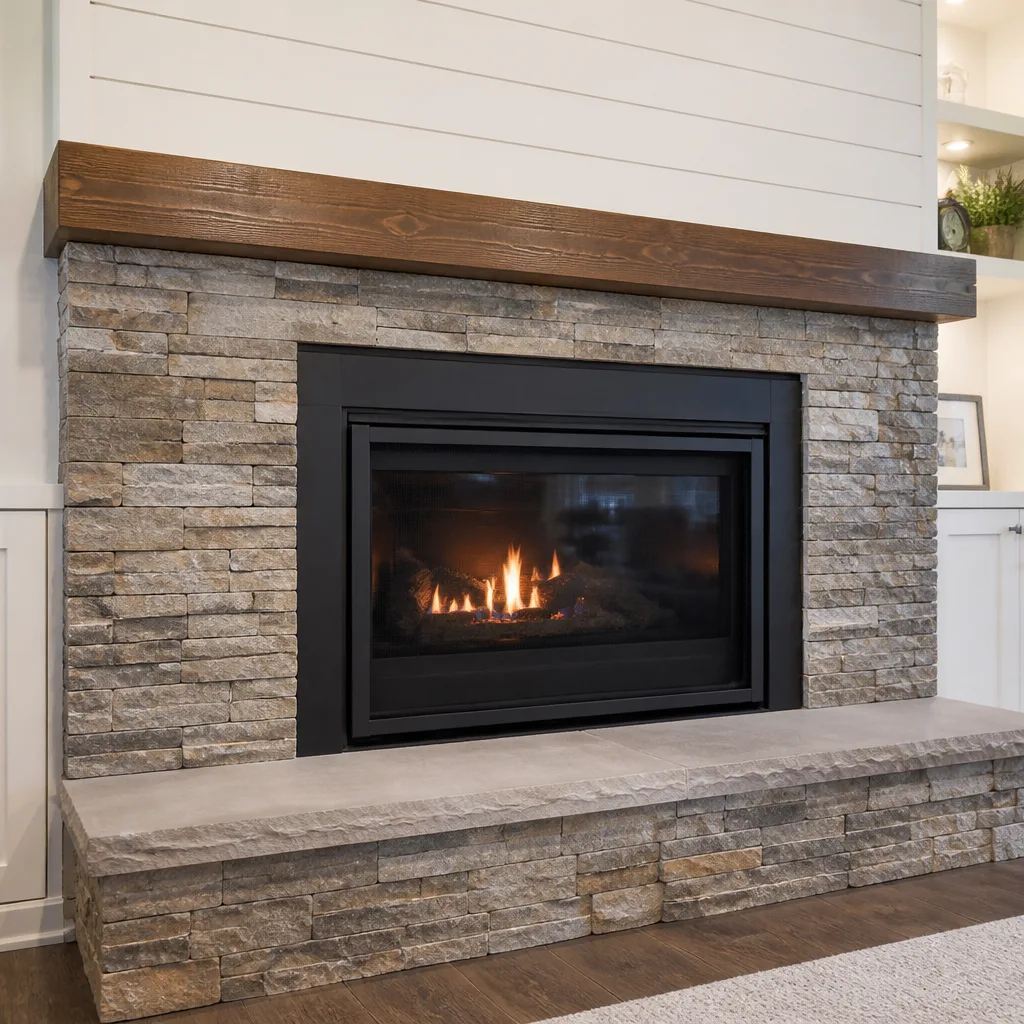 Gas fireplace service
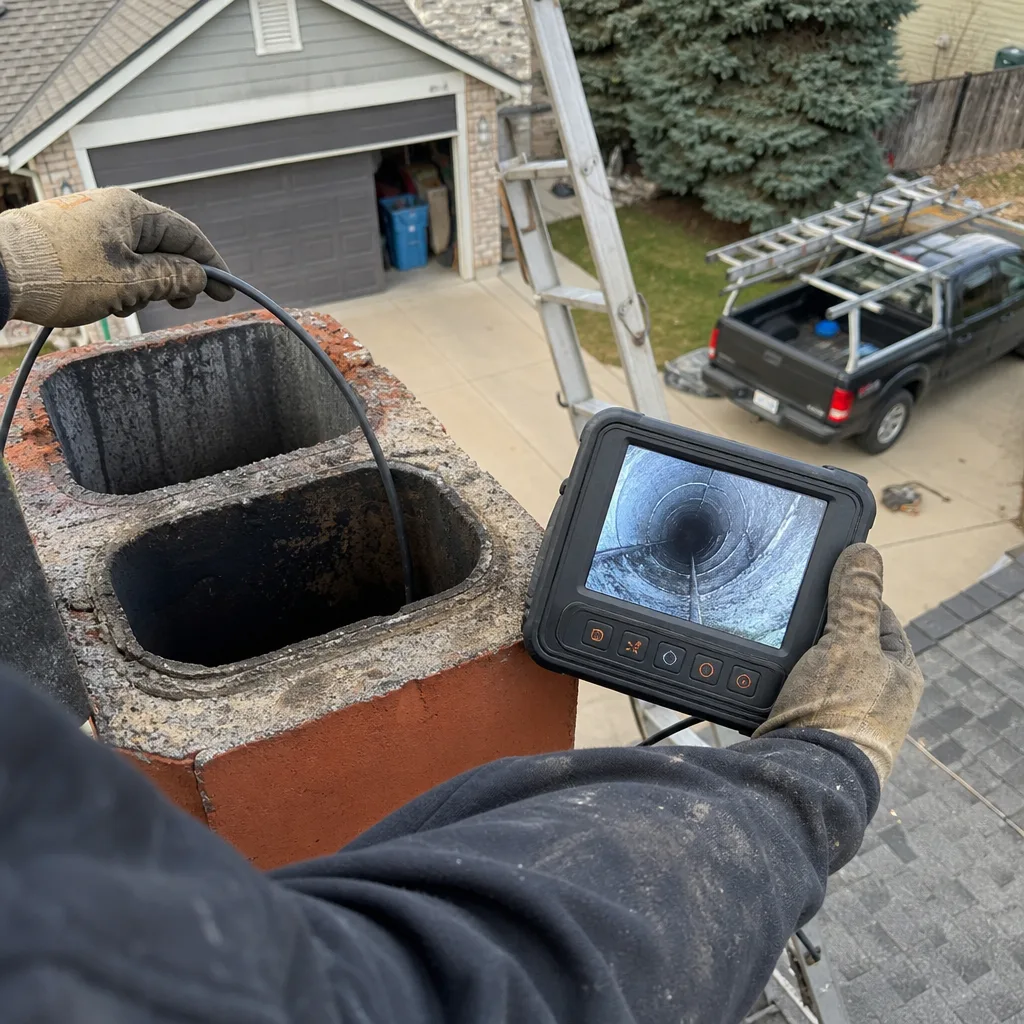
Level 1 sweep and inspection to the NFPA 211 annual standard - flue, crown, cap, and flashing checked and photographed
Chimney sweep logs do not sweep chimneys. They loosen some creosote - which then falls where a brush and vacuum still have to collect it.
Chimney Sweep Troubleshooting in Commerce City: Common Problems and How to Fix Them
If your fireplace smells like smoke inside the house, most chimney companies will sell you a sweep. The actual culprit is often a failed damper plate or negative air pressure, and neither one of those gets fixed by a brush. That mismatch between what you see and what’s actually broken is the reason so many homeowners chase the wrong repair for a season or two before giving up. This guide maps the symptoms you can observe back to the mechanical failure behind them, so you can stop guessing. We’ll cover smoke rollback, draft failures, masonry cracks, efflorescence, and the way Commerce City‘s wind and altitude change how all of it behaves.
Quick Answer
Most chimney problems in Commerce City trace back to one of four root causes: a blocked or undersized flue, a failed damper or damper seal, negative air pressure inside the house, or water intrusion through a bad cap or crown. The visible symptom (smoke rollback, odor, staining, cracking) tells you which of those four to investigate first, but you need a camera inspection to confirm it before anyone quotes a repair. A sweep alone resolves only the blockage case.
Styles & brands we work with
- Sweep & inspection
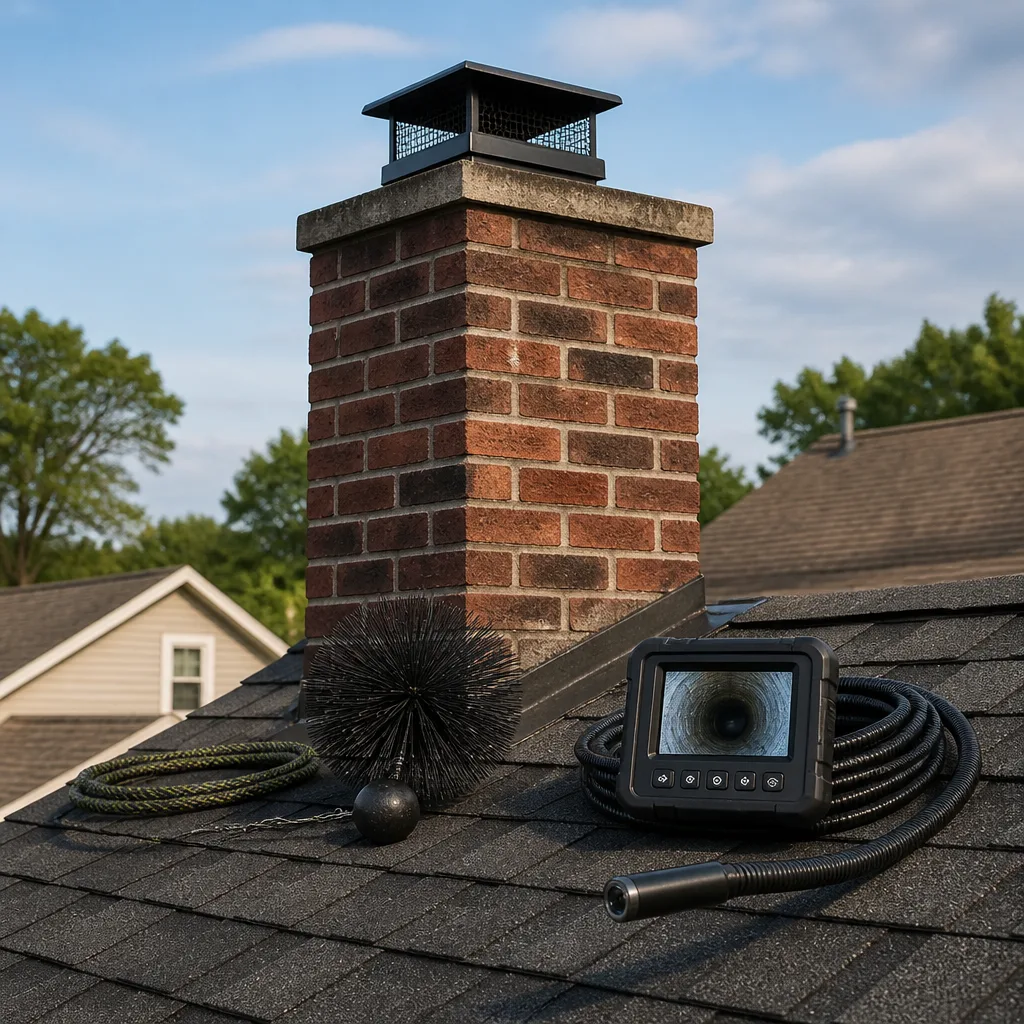
- Caps & crowns
- Flue relining
- Masonry repair
- Gas fireplace service
Table of Contents
- Symptom-to-Cause Matrix: What Each Problem Actually Means
- Why Commerce City’s High-Altitude Wind Creates Backdraft Problems
- Diagnosing Cold-Weather Startup Smoke
- Is That White Staining Efflorescence or Active Water Intrusion?
- When a Masonry Crack Is Cosmetic and When It Isn’t
- Damper and Firebox Failures Most Sweeps Miss
- What You Can Monitor Safely vs. What Needs Same-Day Assessment
- The Diagnostic Sequence We Follow on Every Call
Symptom-to-Cause Matrix: What Each Problem Actually Means
Chimney troubleshooting works backwards from the symptom. The same smoke rollback can come from a blocked flue, a house that’s depressurized, or a flue that’s too short for the appliance attached to it. Treating all three the same way wastes money. Here’s how the visible problems map to the actual mechanical failures, and what repair path each one takes.
- Smoke rolling out of the fireplace opening: usually a pressure problem or a flue that’s undersized for the firebox. Repair path is a draft assessment and possibly a liner upgrade, not a cleaning.
- Persistent smoky odor when the fireplace is cold: often a failed damper that won’t seal, letting cold air push soot smell into the room. Repair path is damper service or replacement.
- Odor only when it’s windy: typically a bad cap, a missing flue tile, or a pressure zone at the top of the stack. Repair path starts at the crown and cap.
- White staining on exterior masonry: moisture moving through the brick. It could be surface condensation or an active leak into the flue. You need a camera inspection to tell which.
- Vertical or stair-step cracking in the masonry: movement in the structure. Sometimes cosmetic, sometimes a sign the crown and flashing are letting water in. Repair path is crown and flashing work, occasionally rebuilding.
- Creosote odor or a heavy soot smell that won’t clear: buildup in the flue combined with restricted airflow. This one is a chimney sweep issue first, repair second.
Every one of these symptoms can also be produced by something on the inside of the flue you can’t see from the hearth. That’s why our first step on any Commerce City call is a camera inspection, and why we hand you photos of what we found rather than a verbal description. A clean flue is a safe flue, but a clean flue isn’t automatically a working one.
Why Commerce City’s High-Altitude Wind Creates Backdraft Problems
Commerce City sits at roughly 5,000 feet and out on the plains northeast of Denver, which means two things work against a chimney here. The air is thinner, so a fire has less oxygen per cubic foot to work with, and the wind comes across open ground with nothing to break it up. Both affect how a chimney drafts.
At higher altitude, a chimney needs to be taller or better insulated to produce the same draft it would at sea level. The stack effect that pulls smoke up depends on the temperature difference between the flue gas and the outside air, and thin air reduces how much lift you get from that difference. Add a steady Plains wind pushing against the top of the stack, and a chimney that worked fine somewhere else can backdraft in Commerce City even with a clean flue.
What that means in practice:
- Short chimneys struggle more here. A flue that ends just above the roofline may be fine at lower elevation and inadequate at 5,000 feet. Extending it is sometimes the whole fix.
- Cold flues are the worst offenders. A flue that hasn’t warmed up yet can’t draft, and in thinner air it takes longer to warm. That’s why the smoke often appears only at startup.
- Wind-driven pressure changes are stronger. Gusts across the open northeast plains create pressure swings at the cap that push air back down the flue. A proper cap with the right design helps; the wrong cap makes it worse.
- Tight modern houses compound it. Newer construction in the neighborhoods around Commerce City is well sealed, so the house can’t pull enough make-up air up the flue. The fireplace competes with bathroom fans and the furnace for the same air.
If your fireplace only backdrafts on windy days, the cap and the flue height are where we look first. If it does it on cold, still mornings too, the diagnosis moves to insulation and pressure. Those are different problems with different fixes, and a sweep won’t touch either one.
Diagnosing Cold-Weather Startup Smoke
Smoke that spills into the room only when you first light the fire is one of the most common complaints we hear in Commerce City, and it’s also the most misdiagnosed. The instinct is to assume a blockage, but a blocked flue usually smokes the whole time, not just for the first few minutes. Cold-startup smoke is nearly always a draft problem.
Here’s the sequence we work through, and the sequence you can think through yourself before calling:
- Check whether it happens with every fire or only the first one. First-fire-of-the-day smoke points to a cold flue. Every-fire smoke points to obstruction, sizing, or pressure.
- Notice the weather. Still, cold, damp mornings are the classic cold-drop conditions. Warm, windy days that are fine tell you the draft is capable, just slow to establish.
- Look at what else is running in the house. Bathroom exhaust fans, the kitchen hood, the dryer, and a running furnace all pull air out of the house and can reverse a weak draft. Turn them off and relight as a rough test.
- Check the damper. A damper that’s partway closed or rusted open at the wrong angle restricts flow. If it doesn’t move freely, that’s a repair, not a cleaning.
- Look up the flue. From the hearth with a light, you should see daylight or the cap. No daylight means a blockage, an offset, or a broken tile, and that’s a professional look with a camera.
If steps one through four don’t turn up anything obvious, the flue itself is the issue, and that’s where a camera inspection earns its keep. We find the problem before it finds you, and in our experience the cold-startup calls that turn out to be simple blockages are the minority in Commerce City. Most trace back to draft and pressure.
Is That White Staining Efflorescence or Active Water Intrusion?
White staining on exterior brick or mortar is efflorescence, which is salt drawn to the surface as moisture moves through masonry and evaporates. That much is straightforward. What isn’t straightforward is that efflorescence tells you water is moving through the brick, and the important question is whether it’s harmless surface moisture or a leak that’s getting into the flue liner. Those two have very different consequences.
Efflorescence is generally cosmetic when it’s a light powdery film that brushes off and doesn’t come back. It’s a warning sign when it’s thick, crusty, keeps returning after you clean it, or shows up alongside spalling. Spalling is brick face flaking off, which only happens when the masonry is saturating and freezing repeatedly. In Commerce City’s freeze-thaw winters, that cycle is what turns a small moisture problem into a structural one.
Telling the two apart comes down to where the water is getting in:
- Surface moisture: staining appears uniformly and follows humidity. Often traced to a missing or undersized crown overhang, or a cap that isn’t shedding water away from the flue.
- Active intrusion: staining is localized, often near the top of the stack or around the flashing where the chimney meets the roof. It responds to rain, not to humidity, and usually comes with a musty smell inside the house.
- Intrusion into the liner: staining plus a damp firebox, a rusted damper, or a fireplace that smells worse after rain. This one reaches the flue and needs a camera look before you do anything else.
A chimney repair company that only does cleaning will tell you to scrub off the efflorescence and move on. That misses the point. The staining is the symptom, and water is getting in somewhere. The fix is usually at the crown, the cap, or the flashing, not on the face of the brick.
When a Masonry Crack Is Cosmetic and When It Isn’t
Not every crack in chimney masonry needs repair, and that’s a genuine relief given how often homeowners are told otherwise. The distinction comes down to location, orientation, and whether the crack is growing. Here’s how we sort them.
Cracks that are usually cosmetic:
- Hairline cracks in the mortar joints of the exterior brick, especially on the south and west faces where the sun hits hardest.
- Shrinkage cracks in the mortar cap at the very top that don’t reach into the flue.
- Surface crazing on older brick that hasn’t changed in years.
Cracks that warrant a professional look:
- Vertical cracks that run more than a few courses of brick.
- Stair-step cracks following the mortar joints diagonally, which usually signal movement or settlement.
- Any crack on the inside of the flue, which you can’t see from outside and which a camera catches.
- Cracks near the roofline or where the chimney meets the flashing.
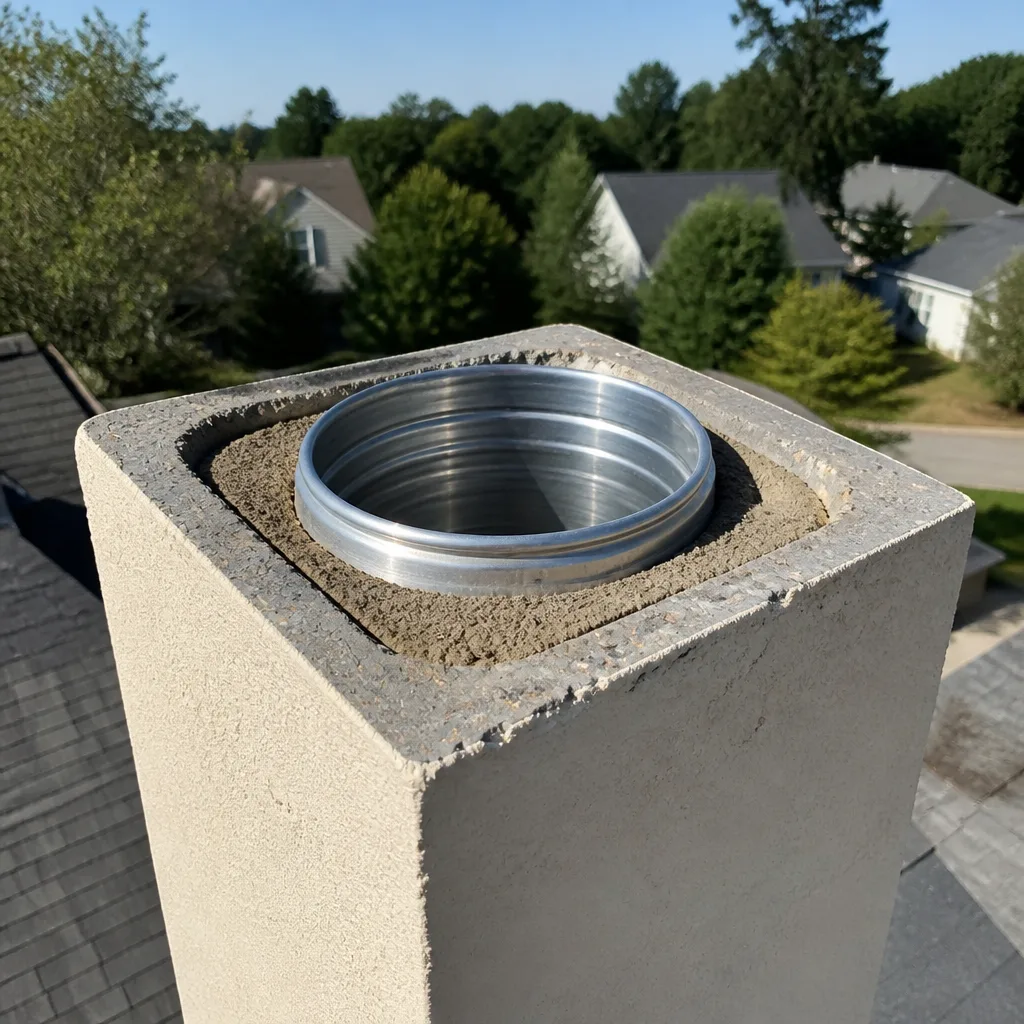
The inside of the flue matters more than the outside of the brick, and it’s where the real risk lives. A cracked flue tile lets heat and combustion gases into the masonry and the framing behind it, and that’s where chimney fires start. This is a job for a trained professional with a camera, not a weekend inspection from the ground. When the liner is deteriorated over a wide section, restoration products like HeatShield can often rebuild the flue surface from the inside without tearing down the chimney, and full relining with a DuraFlex system handles cases where the original tile is beyond repair. Either way, the decision comes after the camera look, not before.
If your chimney has water damage severe enough to reach the firebox or the damper, that can show up as a fireplace repair problem too, and the two work should be scoped together so the fix actually holds.
Damper and Firebox Failures Most Sweeps Miss
The damper is the single most overlooked component on a chimney inspection. It’s the plate above the firebox that seals the flue when the fireplace is cold, and when it fails, you get smoky smell in the house without a single fire being lit. A brush goes up the flue and back down; nobody looks at the damper mechanism unless they’re specifically checking it.
Damper failures present in a few ways:
- Won’t close all the way: rust, debris on the seat, or a bent plate. Cold air pushes soot smell down into the room. You smell the fireplace when it’s off.
- Won’t open all the way: the damper frame is warped or the hinge has seized. Draft is restricted and smoke rolls out even with a clean flue.
- Won’t stay open: a worn pivot or a broken handle linkage. The plate drifts closed while the fire is burning.
- Top-sealing damper failure: some modern setups have the damper at the top of the flue rather than at the firebox. When the actuator fails, you can’t open the flue at all.
The firebox itself fails in ways that are easy to miss too. Deteriorating firebrick and mortar joints let heat reach the structure behind the firebox, and a metal firebox can rust through from water intrusion. Products like HeatShield are engineered specifically to restore damaged firebox surfaces and flue liners, and HeatShield-familiar technicians can address that kind of deterioration without demolishing the surrounding masonry. That capability matters in Commerce City, where the freeze-thaw cycle does more firebox damage than people expect. Most sweep-only companies will point at a damper that won’t seal and tell you it’s fine, or point at a firebox crack and tell you to call someone else. That handoff is exactly what a full-system approach avoids.
What You Can Monitor Safely vs. What Needs Same-Day Assessment
Not every chimney problem is an emergency, and pretending otherwise is how homeowners get talked into work they don’t need. But some symptoms genuinely can’t wait, and separating the two is what stops you from either panicking or ignoring something important.
Safe to monitor between professional visits:
- Light, powdery efflorescence that doesn’t return after you brush it off.
- Hairline surface cracks in exterior mortar that aren’t changing.
- A slightly stiff damper that still opens and closes fully.
- Ordinary creosote odor after a fire, as long as it clears overnight.
Needs same-day professional assessment:
- A smell of combustion gas inside the house, or a carbon monoxide alarm going off. Leave the house and call from outside.
- Smoke rolling into the room on every fire, not just at startup.
- Visible flames or glowing outside the firebox while the fire is burning.
- A sudden, large crack in the masonry, especially after a cold snap.
- A cap that’s come off or a crown that’s broken away from the flue.
- Any doubt at all about the flue after a chimney fire, even a small one.
Carbon monoxide is the reason this list matters more than it looks. A blocked or cracked flue doesn’t always produce visible smoke; it can vent colorless gas into the house with no obvious sign until someone feels sick. That’s not a reason to be afraid of your fireplace, it’s a reason to get the flue inspected on a schedule and to act on the warning signs above. The difference between a monitor problem and a call problem is whether the flue is still doing its one job: carrying combustion gas out of the house.
The Diagnostic Sequence We Follow on Every Call
Chimney troubleshooting isn’t guesswork when you follow the same sequence every time, and the order matters because it saves you from paying for a repair you don’t need. Here’s the sequence our technicians follow on every Commerce City job, and what each step rules out.
- Ask what you’ve observed and when. Which symptom, what weather, what else is running in the house. This narrows the cause before anyone opens a panel.
- Inspect the firebox and damper first. Easy to check and often the answer. Rules out damper and firebox failures before a camera goes up.
- Run a camera down the flue. This is the step that separates a real diagnosis from a sales pitch. We look for blockage, cracked tiles, gaps at the seams, and creosote depth, and we photograph what we find.
- Check the cap, crown, and flashing from the roof. Water intrusion and animal entry both live up here. Most drafts and odors from wind trace to something at the top of the stack.
- Assess draft and pressure. Take a look at flue height, insulation, and how the house is sealed. This is where Commerce City’s altitude and wind come into play.
- Write up findings with photos and a flat-price estimate. Every finding comes with the photo that backs it up, and the estimate is agreed before anyone books a repair.
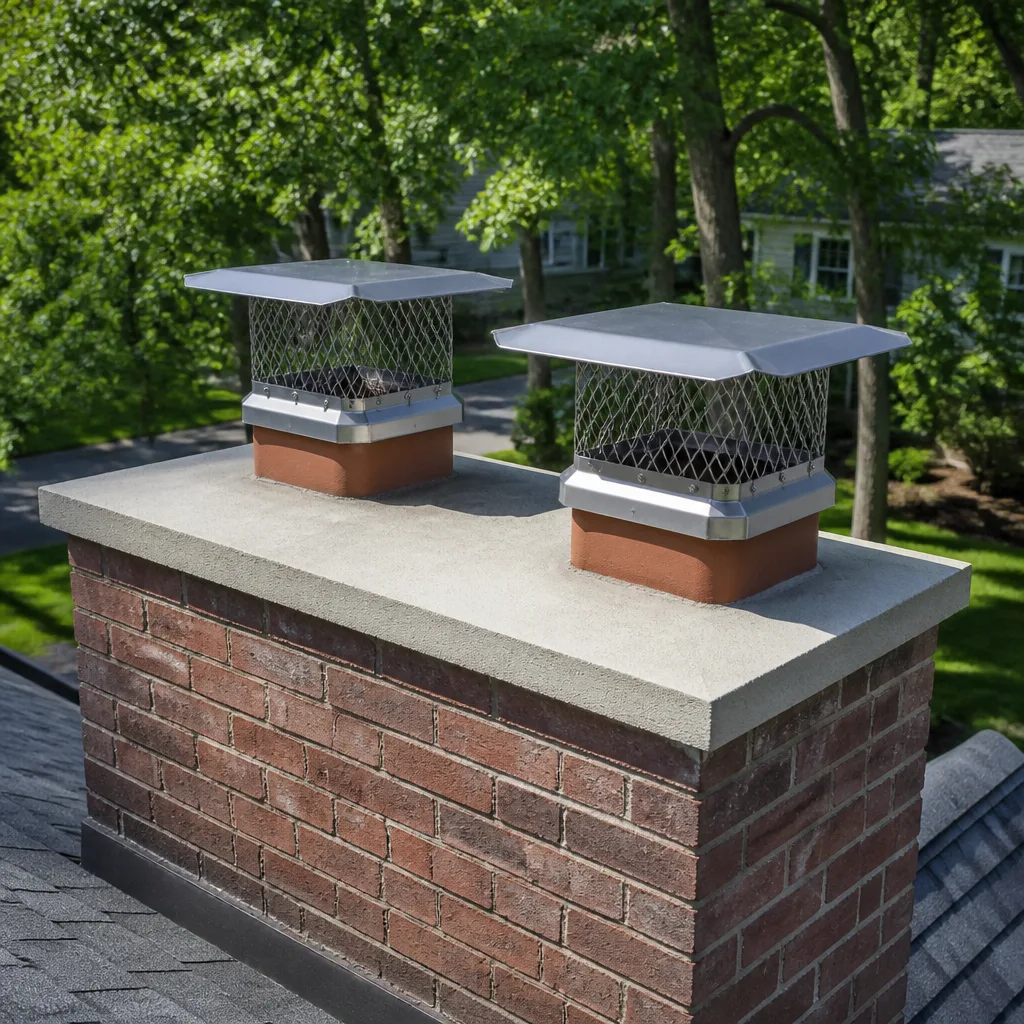
Step four is where the full-system approach pays off. Cap and crown work is the top of the chimney, and most sweep companies either don’t do it or subcontract it out. A Commerce City Chimney Sweep visit covers the firebox and the crown in one job, so you’re not coordinating two companies with two diagnoses and two estimates. When we quote a cap replacement, we know the flue condition because we looked at it, and when we quote a liner, we know the crown isn’t going to let water in behind the new work.
We work with professional-grade chimney products rather than hardware-store generic parts: Gelco and Olympia Chimney caps and crowns, Famco components, DuraFlex liners, and HeatShield for firebox and liner restoration. Naming the product matters because it’s the difference between a fix that holds through Commerce City’s next few winters and one that doesn’t.
Common Mistakes to Avoid
- Burning a hot fire to “burn off” a draft problem. It won’t fix a failed damper or a depressurized house, and it can push a compromised flue past its limit. Draft problems need diagnosis, not more heat.
- Painting over efflorescence. Sealing the surface traps the moisture in the masonry and pushes the spalling deeper. Find the water source first.
- Blaming a blockage for startup smoke. A blocked flue smokes every fire. First-fire-only smoke is a draft and pressure issue, and a sweep won’t touch it.
- Skipping the flue because the outside of the chimney looks fine. Most serious liner damage is invisible from the ground, and the outside brick tells you nothing about the inside of the flue. Only a camera catches it.
- Hiring a sweep-only company and expecting them to diagnose a draft problem. If they don’t offer inspection as its own service, they probably aren’t set up to find what’s actually wrong.
- Ignoring a stiff damper. A damper that sticks is on its way to seizing, and a seized top-sealing damper means you can’t open the flue at all.
- Not turning off exhaust fans while lighting a fire. In a tight modern house in Commerce City, a running bathroom fan can be the whole reason the fire smokes. It costs nothing to test.
See the difference
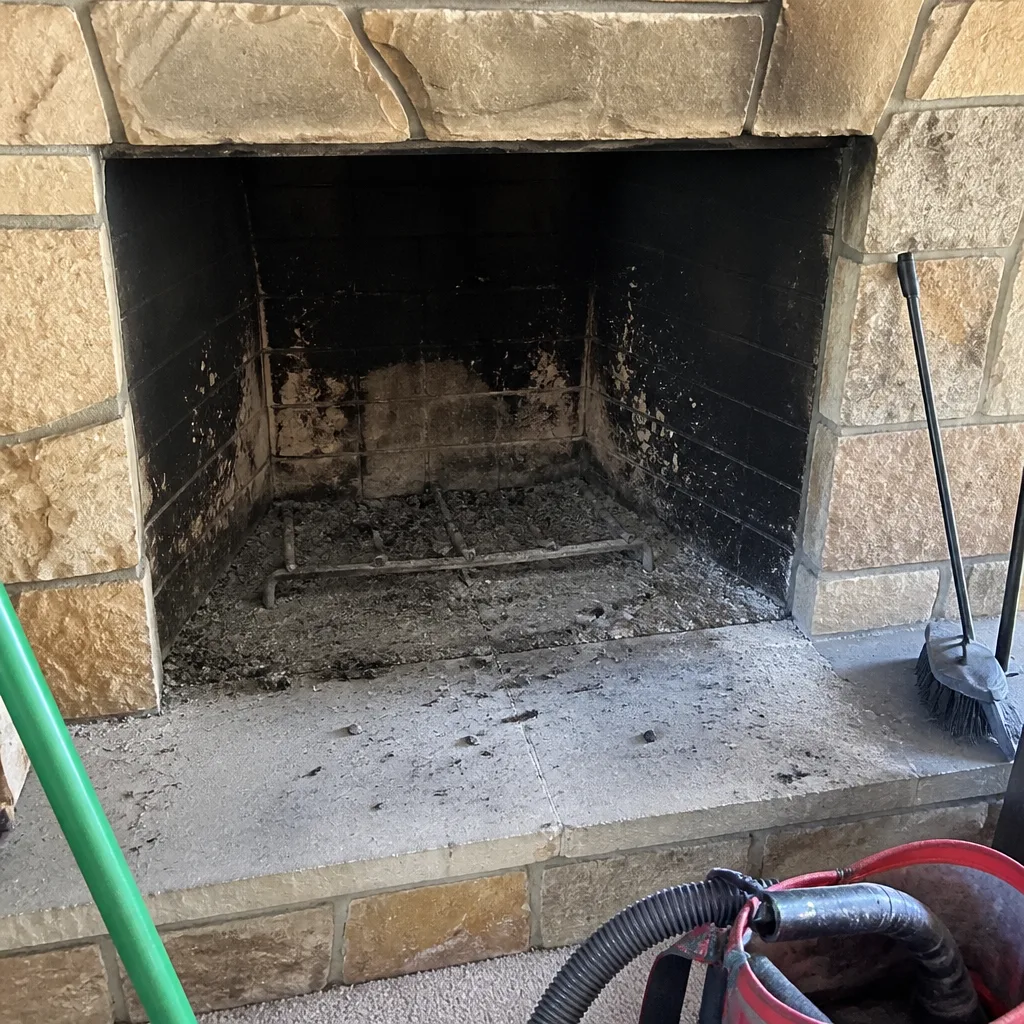 Before
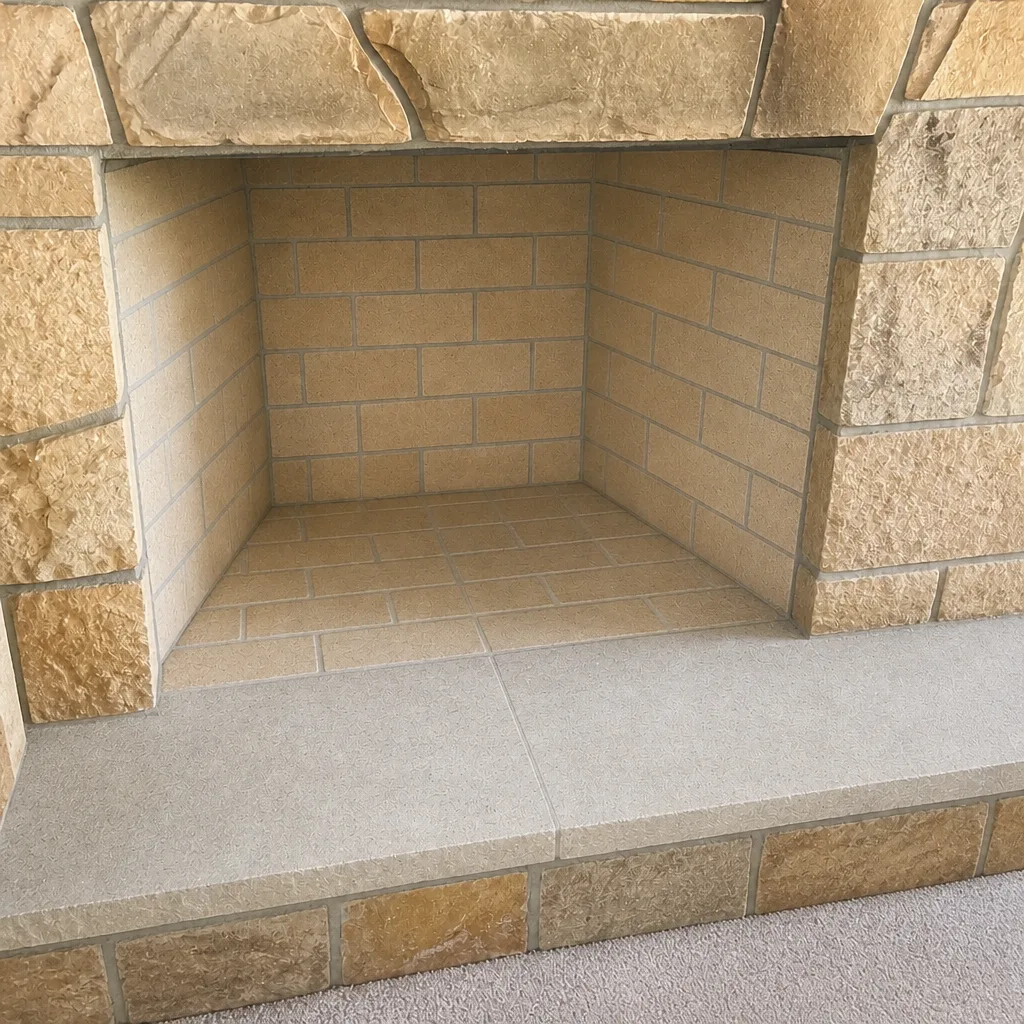 After
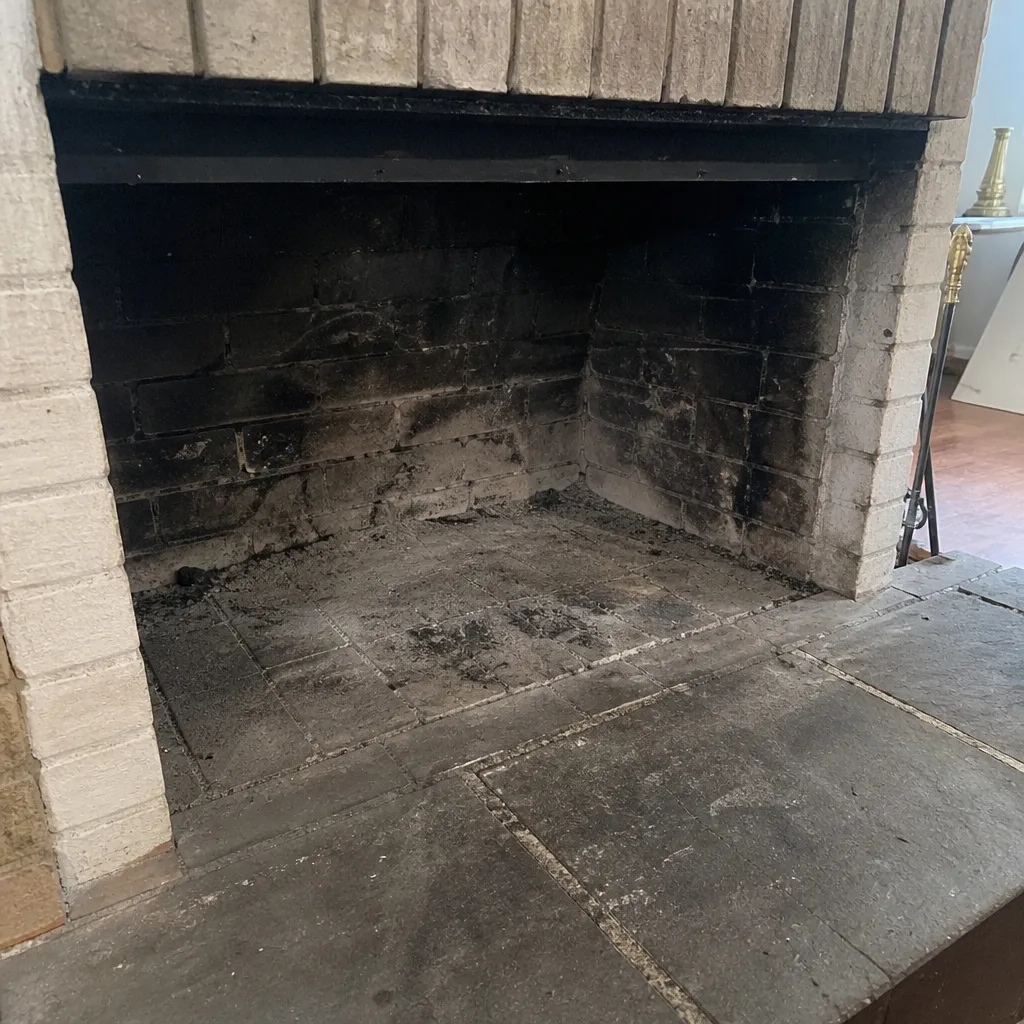 Before
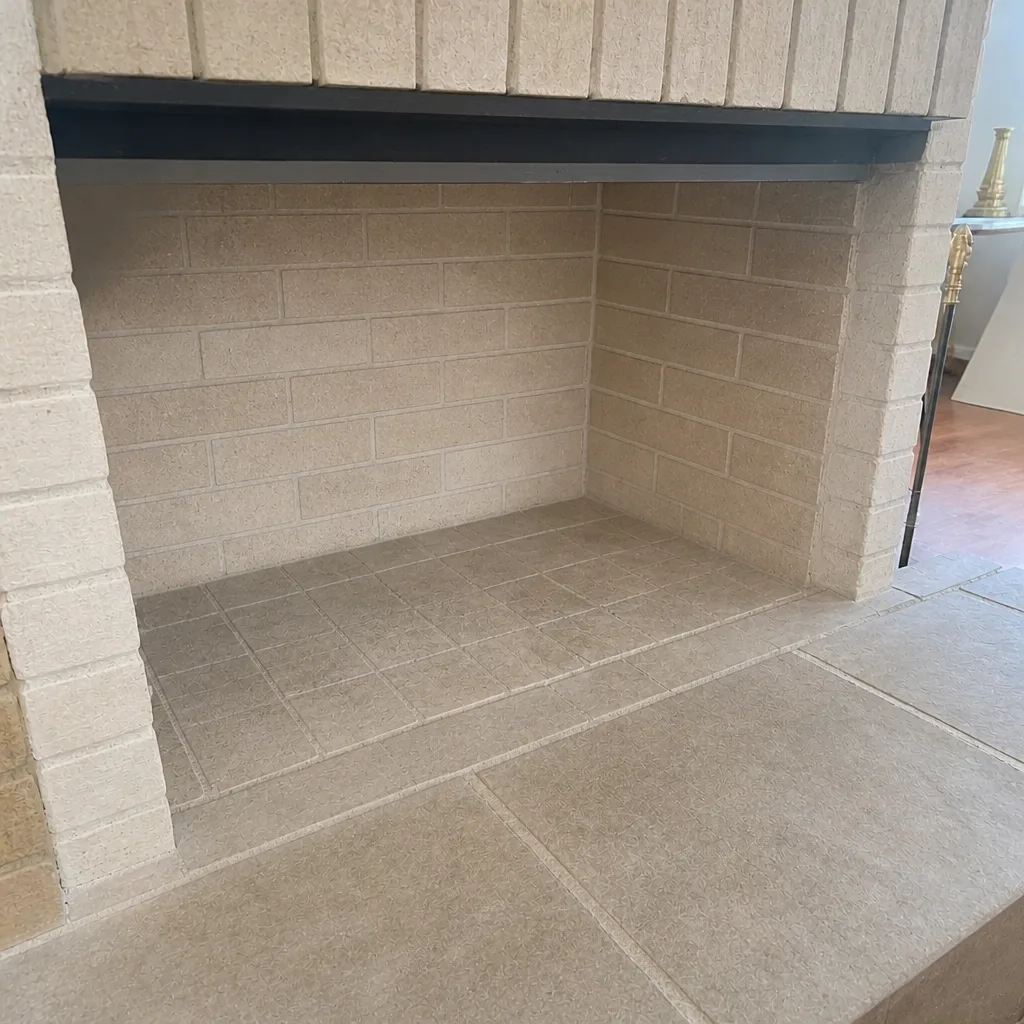 After
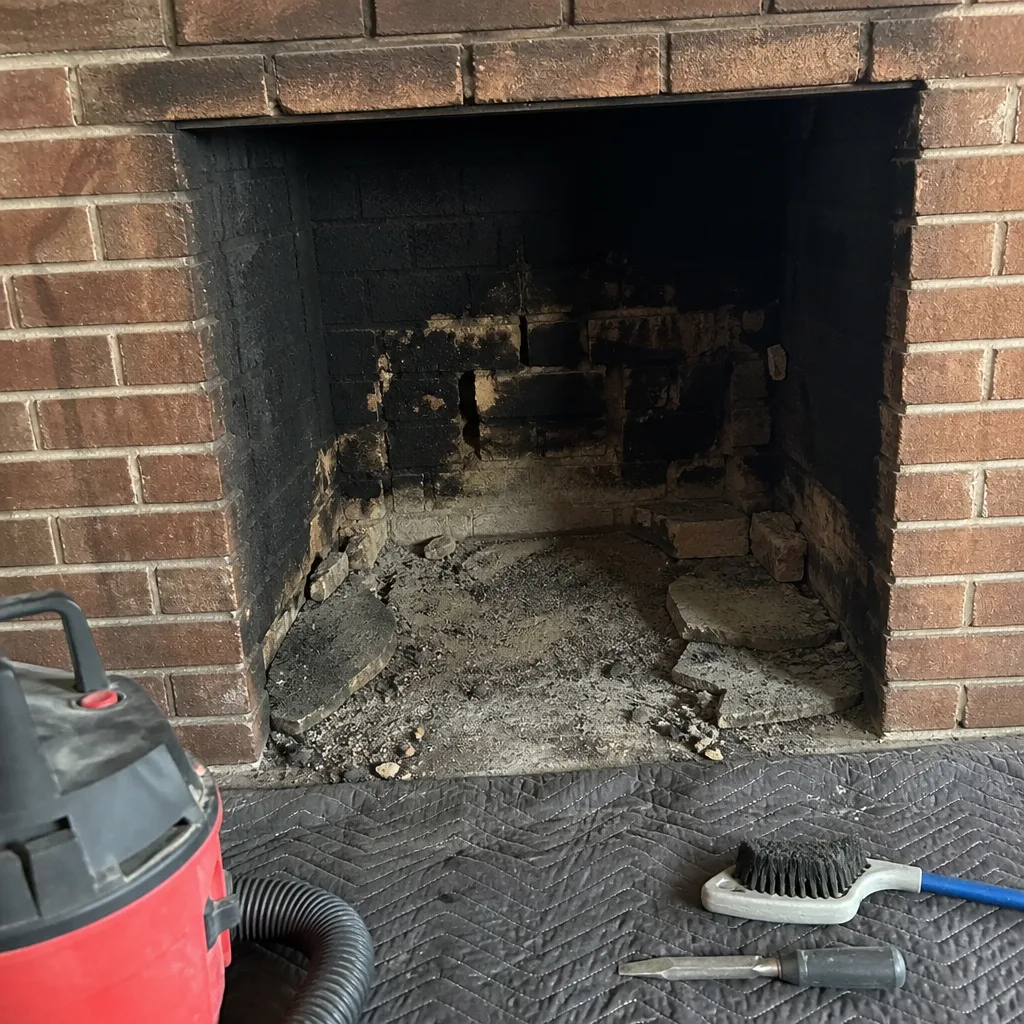 Before
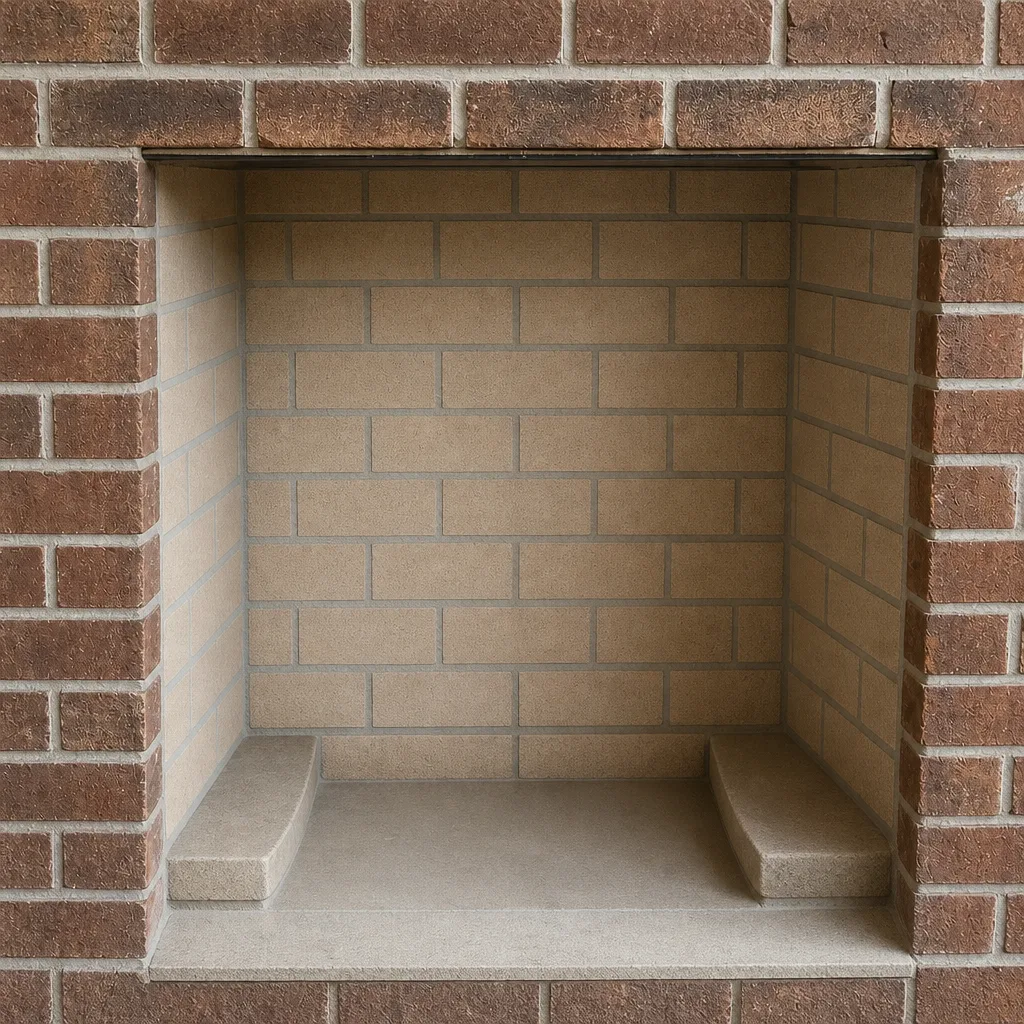 After
When to Call a Professional
Call a professional when the symptom changes rather than just persists. A smoky smell after every fire that clears by morning is worth mentioning at your next inspection; a smoky smell that’s worse after rain, comes with a damp firebox, or shows up when the fireplace is cold points to a damper or water intrusion you can’t fix yourself. Call the same day if you smell combustion gas, if a carbon monoxide alarm sounds, if smoke rolls into the room on every fire, or if the cap comes loose. And call before you assume the answer is a cleaning; the whole point of this guide is that most symptoms are something else. Commerce City Chimney Sweep offers free estimates in Commerce City. Call (855) 619-0680. We answer 24/7. Fast dispatch from 7am to 7pm, Sunday through Friday.
We inspect as a standalone service, so you don’t have to buy a cleaning to get a diagnosis. Nothing is recommended without camera evidence you can look at yourself, and if the work can safely wait, we’ll tell you that plainly. Our technicians have up to 12 years of experience, and they’ve seen enough Commerce City chimneys to know when a crack is cosmetic and when it isn’t.
Frequently Asked Questions
Cold-startup smoke is almost always a draft problem, not a blockage. The flue hasn’t warmed up, so the stack effect is weak, and at Commerce City’s altitude the thinner air makes that warm-up slower. Turn off exhaust fans and the dryer, make sure the damper is fully open, and if it still smokes on the first fire every time, get the flue height and insulation assessed. Call (855) 619-0680 for an inspection and an exact quote; estimates are free.
Efflorescence itself isn’t dangerous, but it means water is moving through your masonry. The question is whether that moisture is staying on the surface or reaching the flue liner. If the staining returns after cleaning, if it’s crusty, or if brick faces are flaking, get it looked at. A camera inspection tells you which it is, and the fix is usually at the crown, cap, or flashing.
Only if the camera shows the original tile is cracked, deteriorated across a wide section, or missing at the seams. A localized failed section can sometimes be restored with a HeatShield system, while a flue that’s broken through in multiple places needs a full relining with a DuraFlex system. You don’t need a liner because someone says so; you need one because you saw the photo of the gap. Call (855) 619-0680 for an inspection with photos included.
Wind pushing on the cap, a missing flue tile, or a crown that’s lost its overhang. The stack is in a pressure zone, and a gust drives air down the flue instead of pulling it out. A properly designed cap handles it well; a damaged or wrong cap makes it worse. In Commerce City’s open northeast wind exposure, this is one of the most common causes of intermittent fireplace odor.
Most wood-burning chimneys need a sweep about once a year, or sooner if you burn heavily and see creosote over a quarter inch deep on the flue walls. Gas fireplaces and inserts need inspection on the same schedule, even though they need less cleaning. The schedule isn’t the point; the inspection is what catches the draft problems, damper failures, and water intrusion that cause the symptoms in this guide.
The firebox, damper, flue with a camera, and the cap, crown, and flashing at the top of the stack. You get photos of everything we find and a written estimate before any repair is booked. Nothing is recommended without camera evidence, so you can see the problem yourself before you decide anything. Call (855) 619-0680 for a free estimate.
The Bottom Line
Chimney troubleshooting comes down to reading the symptom correctly before anyone quotes a fix. Smoke on every fire points to a blockage or sizing problem, first-fire-only smoke points to a cold flue and altitude, smoky odor when the fireplace is cold points to a failed damper, and white staining points to water finding a way in. Commerce City’s altitude and open Plains wind make draft problems more common here than the symptoms suggest, and they’re the reason a sweep alone rarely solves a smoke complaint. Get a camera inspection first, look at the photos, and decide from there. One crew, every part of your chimney, from the firebox to the crown.
Ready to find out what’s actually wrong before you spend anything? Call (855) 619-0680. We answer 24/7. Fast dispatch from 7am to 7pm, Sunday through Friday, and the estimate for your Commerce City home is free.
Written by the team at Commerce City Chimney Sweep.