
Last updated November 23, 2026
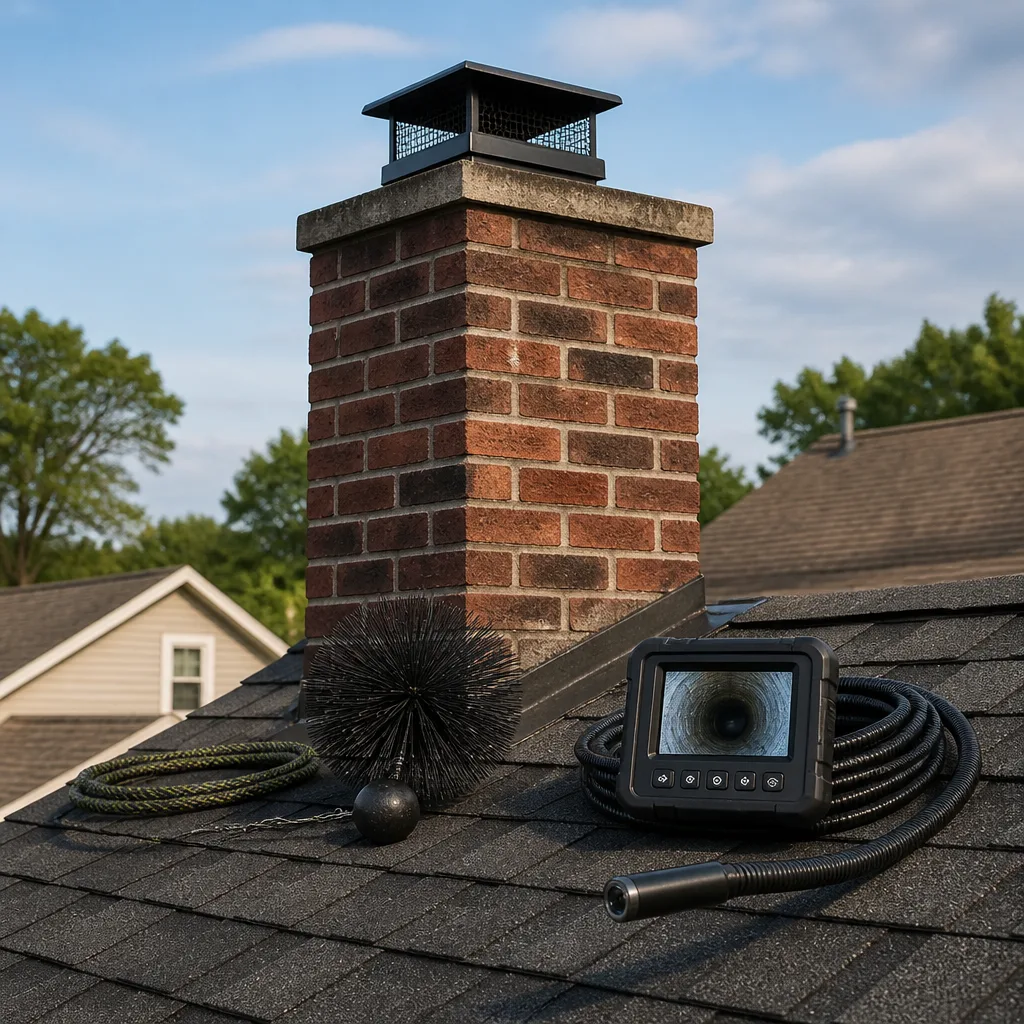 Sweep & inspection
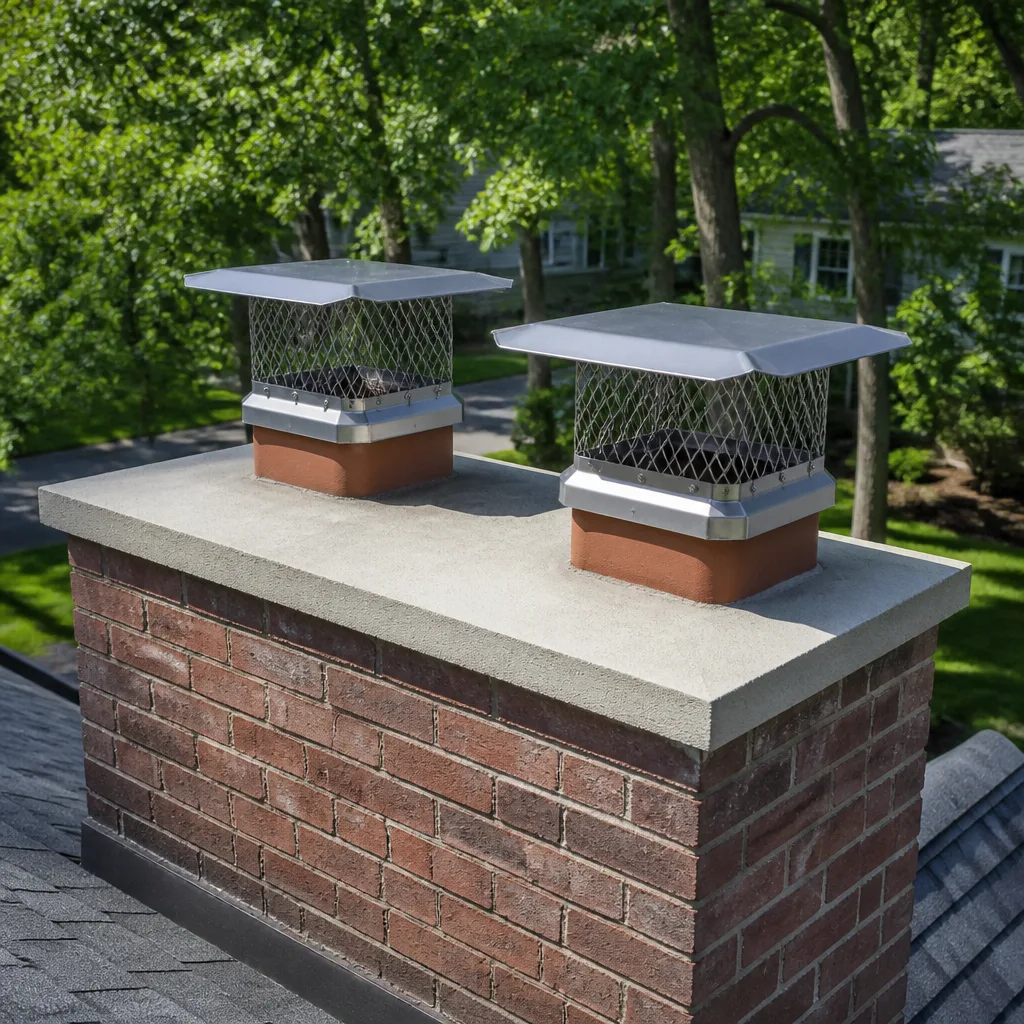 Caps & crowns
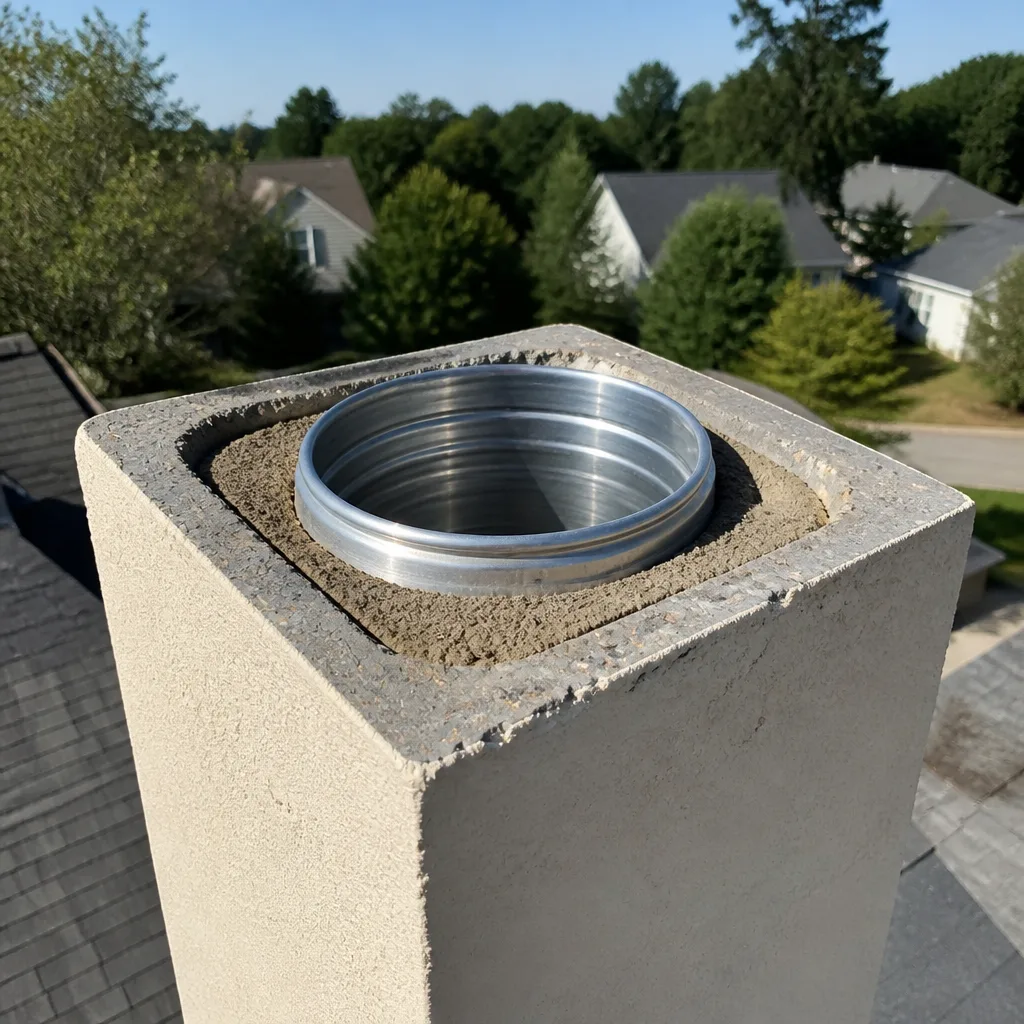 Flue relining
 Masonry repair
 Gas fireplace service
Level 1 sweep and inspection to the NFPA 211 annual standard - flue, crown, cap, and flashing checked and photographed
Chimney sweep logs do not sweep chimneys. They loosen some creosote - which then falls where a brush and vacuum still have to collect it.
DIY vs Professional Chimney Cleaning: The Commerce City Homeowner’s Decision Guide
A homeowner with a brush kit and a free afternoon can knock loose creosote out of a straight flue. That part is true, and it’s why so many Commerce City homeowners decide to skip the sweep. But cleaning a chimney and knowing whether that chimney is safe are two different jobs. The brush doesn’t tell you what’s happening three feet above the smoke chamber, and it won’t catch a hairline crack in a terra cotta liner that’s been letting combustion gases seep into the chase. This guide lays out what DIY brushing actually accomplishes, what it misses, and how to decide which path makes sense for your home.
Quick Answer
Professional chimney cleaning is the right call for most Commerce City homeowners because the sweep itself is only half the service. What you’re really paying for is the inspection that comes with it: a camera look at the flue, the smoke chamber, the firebox, and the cap, with a written report of what was found. DIY brushing can remove stage 1 creosote from an accessible flue, but it can’t diagnose stage 2 or stage 3 creosote, confirm the condition of an older terra cotta liner, or give you documentation for an insurance claim. If your chimney has never been inspected or you’ve noticed smoke rollback, odor, or visible cracking, book the professional visit.
Styles & brands we work with
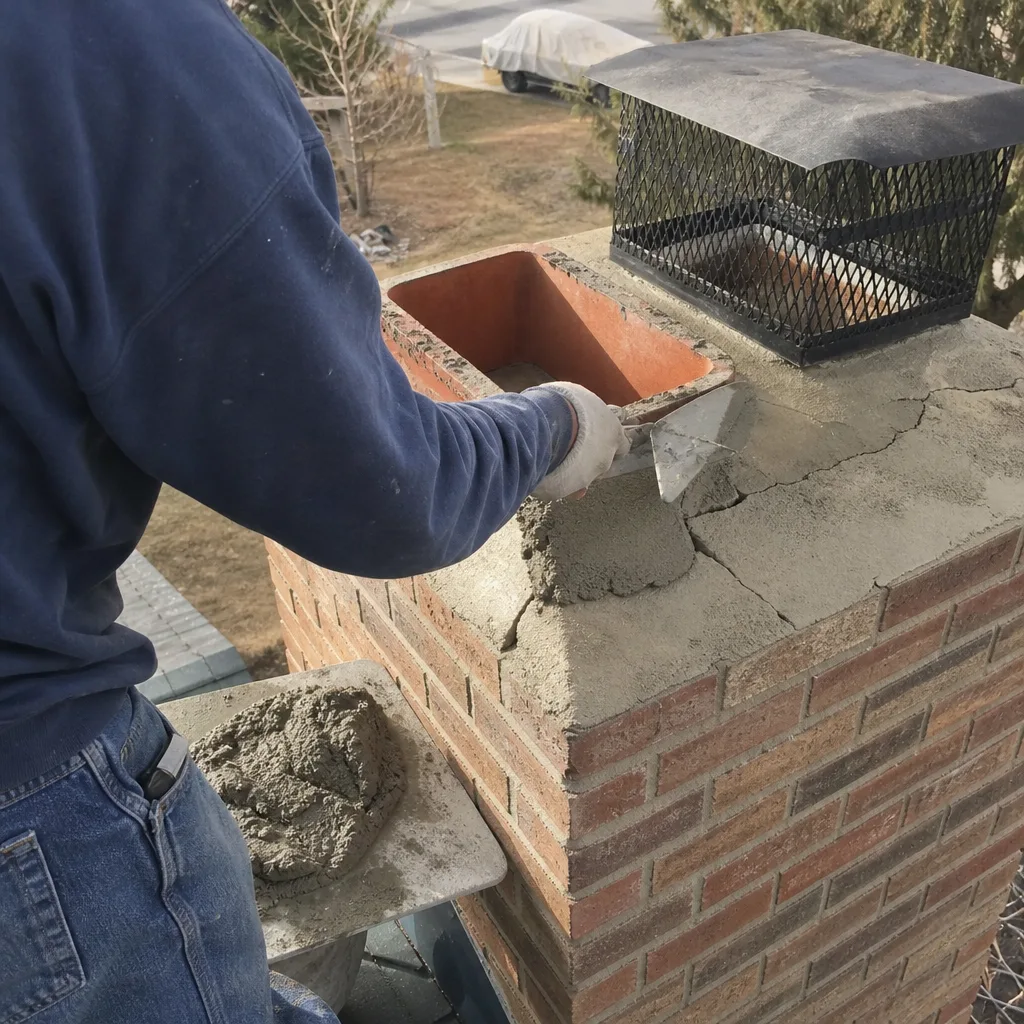
- Sweep & inspection
- Caps & crowns
- Flue relining
- Masonry repair
- Gas fireplace service
Table of Contents
- What DIY Brushing Actually Accomplishes
- The Equipment Gap: What a $60 Kit Doesn’t Do
- Commerce City Risks That Make DIY Harder
- What’s Actually at Stake: Fire and Carbon Monoxide
- Side-by-Side: DIY vs Professional Cleaning
- What Homeowners Can Safely Do Between Visits
- The Liability and Insurance Angle
- How a Professional Sweep Actually Works
What DIY Brushing Actually Accomplishes
Chimney creosote forms in three recognizable stages, and understanding them is the whole key to this decision. Stage 1 creosote is the light, flaky, soot-like deposit that accumulates on the flue walls after a season of burning. It brushes off with a standard poly brush and a rod. That’s what a consumer kit is built for. Stage 2 creosote is denser, glazed, and often looks like a shiny black coating on the liner. Stage 3 creosote has the consistency of hardened tar and can be several inches thick on the flue walls. Stage 2 and 3 deposits don’t come off with a brush, no matter how hard you scrub.
Removing stage 2 and stage 3 creosote requires one of two approaches. Chemical treatments soften the deposit over time so it can eventually be brushed away. Rotary cleaning systems use spinning chains or whips that physically cut through the glaze. Both require equipment and know-how a homeowner doesn’t have on hand, and both need a technician who can tell the difference between “glazed” and “actually structurally damaged” while the work is happening. If you brush stage 1 off the top of stage 2 creosote, the chimney looks cleaner. It isn’t safer.
There’s a second layer to what DIY misses: the inspection. A brush tells you nothing about cracks, gaps, spalling, or disconnected flue sections. In Commerce City, many homes have terra cotta liners that have been in place since the original build, and those liners crack over decades of heating and cooling. The only way to know the condition is to look at it with a camera. Cleaning without inspection is a cosmetic fix on a structural problem.
The Equipment Gap: What a $60 Kit Doesn’t Do
The price gap between a homeowner’s chimney kit and a professional setup is real, but it isn’t about luxury. It’s about what each tool can and can’t tell you. Here’s what a professional sweep brings into a Commerce City home:
- HEPA vacuum with a sealed connection. A consumer shop vac will blow fine soot back into your living room. A professional HEPA unit captures the dust at the source and keeps it out of the air.
- Rotary cleaning system. Spinning chains or whips that break up glazed creosote, not just loose flakes.
- Inspection camera with a monitor. This is the piece that matters most. The camera runs the full length of the flue, the smoke chamber, and the firebox, and you see what the technician sees on the screen. You’re not taking anyone’s word for it.
- Drop cloths, flue brushes in the correct size, and rods. Sounds basic, but using the wrong brush size is one of the fastest ways to damage a clay liner.
- Hand tools and mirrors. For the parts of the chimney a camera can’t reach.
- Pro-grade replacement parts when something is found. From a new cap to a DuraFlex liner, the sweep doesn’t stop at “you need this” and leave you to source it.
The gap isn’t aesthetic. Diagnosis is the entire value. A homeowner can clean a chimney and still not know whether the flue is intact. A technician with a camera can clean it and tell you exactly what condition it’s in, and put it in writing.
Commerce City Risks That Make DIY Harder
Roof work in Commerce City is not the same as roof work in a flat coastal town. Homes here often have steep-pitched roofs, and the roof edges over single-story sections can be a surprising exposure for someone trying to haul themselves up to the cap with a brush rod. Climbing onto a steep-pitched roof without fall protection is a real risk, and it’s the kind of mistake that ends the home project in the emergency room instead of the living room.
The bigger issue for Commerce City is the housing stock. Many of the area’s homes were built with terra cotta liners, and those clay tiles crack and spall over time. A DIY brush can actually make an existing crack worse if it’s the wrong size or the rods scrape the flue. And without a camera, a homeowner has no way to know whether the liner is intact. A cracked liner is the most common way a chimney fire becomes a house fire, because the fire can escape the flue and reach framing. The liner also keeps carbon monoxide inside the chimney instead of the living space. Confirming liner condition isn’t optional in a market where the liners are old.
Commerce City’s climate adds another wrinkle: freeze-thaw cycles through the shoulder seasons. Cracks that form in a crown or in the liner open further when water gets in and freezes. Most homeowners who call us after a rough winter are calling about something the camera would have caught in the fall.
What’s Actually at Stake: Fire and Carbon Monoxide
Chimney fires are the risk people picture, and they’re real. Creosote is fuel, and a flue coated with stage 3 creosote is a flue that can ignite. The fire itself can crack the liner, and a cracked liner can let flames reach the framing. Even a small chimney fire that goes out on its own often leaves damage that only a camera inspection will find.
Carbon monoxide is the quieter risk. A blocked or damaged flue can send combustion gases back into the home instead of up and out. The symptoms are easy to miss: headaches, nausea, drowsiness. Gas fireplaces and wood-burning stoves are both pathways, and a gas fireplace with a damaged flue is not automatically safer than a wood-burning one, because the exhaust has to go somewhere.
This is why we say a clean flue is a safe flue, and why the sweep is only the front half of the visit. The inspection is what catches carbon monoxide risk before a detector goes off. We find the problem before it finds you. Anyone telling you that a brushing is all you need is either not looking, or not equipped to look.
Side-by-Side: DIY vs Professional Cleaning
Here’s how the two approaches compare on the things that actually matter for a Commerce City home.
- Stage 1 creosote removal: DIY manageable; professional routine.
- Stage 2 and stage 3 creosote removal: DIY cannot do it; professional uses rotary or chemical methods.
- Camera inspection of the flue and smoke chamber: DIY cannot do it; professional makes it standard.
- Liner crack and spall identification: DIY cannot do it; professional documents it with photos.
- Cap and crown check: DIY limited to a visual from the ground; professional inspects from the roof and reports.
- Written report you can file for insurance: DIY does not produce one; professional provides one.
- Dust containment: DIY typically limited; professional uses HEPA equipment with sealed connections.
- Steep-roof fall risk: DIY exposure is significant; professional technicians are trained for roof work.
- Cost: DIY is only the kit; professional estimate covers sweep, inspection, and report as one job.
- Fix-it-follow-up: DIY stops at cleanup; professional can install a new cap, crown, or liner in chimney repair.
The cost question is real, and we’ll get to it in the FAQ below. But the honest comparison isn’t “brush vs brush with a bigger vacuum.” It’s “brush” vs “brush plus diagnosis plus documentation plus follow-through when the diagnosis turns up a problem.”
What Homeowners Can Safely Do Between Visits
There’s plenty a homeowner can do to keep a chimney in good shape between professional visits, and we’d rather you do it than not. Everything on this list is safe, unrewarded, and worth the five minutes.
- Sweep out the firebox. Ash and debris buildup in the firebox restricts airflow and can make the flue work harder. Use a small broom and a shop vac with a HEPA filter, and do it before the first burn of the season.
- Empty the ash pit. If your fireplace has an ash dump and an exterior cleanout, keep the ash pit emptied. It’s a fire risk and it cuts down on the draft.
- Do a visual check of the cap from the ground. Binoculars work. Look for a missing cap, a rusted mesh screen, or an animal trying to nest. You can see a lot from the yard without ever going up the ladder.
- Check for water intrusion inside the firebox. Rust, damp patches, and white staining on the brick are signs the crown or flashing needs attention. Note them for the next inspection.
- Watch the fire. Smoke rollback, weak draft, or a fire that takes a long time to start are all signals to schedule a professional look sooner rather than later.
- Keep the area around the hearth clear. Simple, and it’s the easiest fire-safety improvement in the house.
What’s not on the list: climbing onto a steep roof to check the crown yourself, using a chainsaw or grinder inside a flue, or running a camera-less brush into a terra cotta liner. Those are the parts a trained technician should handle.
The Liability and Insurance Angle
Here’s the part of the DIY conversation almost nobody talks about. If your home has a chimney fire or a carbon monoxide incident after a self-performed “cleaning,” an insurance claim becomes much harder to support. The insurer’s first question is going to be: when was the last professional inspection, and do you have documentation? If the answer is “I brushed it myself last spring,” there’s no inspection report to point to, no photos of the flue condition, and no record of what the liner looked like before the event.
A professional sweep produces a written report, and that’s the piece that matters here. It documents what was found, what was recommended, and what was done. If you had the sweep done and the technician flagged a cracked liner and you deferred the repair, that’s a different situation than having no documentation at all, and it lets your insurer know the chimney was being maintained. Commerce City homeowners with wood-burning fireplaces should keep those reports on file the way they’d keep a roof inspection.
We can work with your insurer if a claim arises. What we can’t do is create documentation after the fact for a sweep that never happened. The report is the product, and it’s the reason to schedule a professional sweep, even in years when a DIY brushing seems like enough.
How a Professional Sweep Actually Works
If you’ve never had a professional chimney sweep in Commerce City, here’s what the visit looks like from start to finish. No mystery, no upsell theater.
- Lay the drop cloths and seal the opening. The firebox gets covered, and the HEPA vacuum hooks up before any brush goes in. Dust stays out of your house.
- Run the camera down the flue. This happens first so we know what we’re working with. Cracks, gaps, spalling, and creosote glazing all show up on the monitor, and you see it too.
- Sweep the flue with the correct brush for the liner. Size matters. A brush that’s too small leaves deposits; too large can crack a clay tile.
- Address stage 2 and stage 3 creosote if present. This is where rotary equipment or chemical treatment comes in, and where the price can climb if the deposit is severe. You’ll know before we start.
- Inspect the firebox, smoke chamber, cap, and crown. The parts of the chimney system that get overlooked in a flue-only cleaning. From the firebox to the crown, the whole assembly gets a look.
- Photograph what was found and put it in the report. Every finding has a photo. You’re not taking our word for anything.
- Recommend repairs, with a written estimate. Some findings can wait. Some can’t. We say which is which.
The repair side matters here too. If the camera finds a cracked terra cotta liner, the fix isn’t a brush, it’s a liner. We work with chimney repair partners using DuraFlex and HeatShield systems, and a HeatShield-familiar technician can often restore a deteriorating firebox or flue without a full demolition. The cap and crown, if they’re failing, get replaced by brands like Copperfield or Gelco. That range is what a full-system sweep looks like, and it’s why one call covers the sweep, the diagnosis, and whatever the diagnosis turns up.
Common Mistakes to Avoid
- Brushing without inspecting. The most common DIY error. A clean-looking flue is not the same as a flue in good condition. If you never look with a camera, you don’t know.
- Using the wrong brush size. Buying a generic kit for a flue it doesn’t fit is a fast way to crack a clay tile. Terra cotta liners in older Commerce City homes are already stressed by freeze-thaw cycles.
- Cleaning the flue but ignoring the cap and crown. The top of the system takes the weather. A missing or cracked cap lets water in and animals build nests, and neither problem shows up in a flue brush.
- Burning unseasoned wood to “keep creosote down.” Wet wood creates more creosote, not less. Seasoned hardwood is the point.
- Skipping the annual inspection because the sweep “looked fine” last spring. Chimneys change. A crack that wasn’t there in September can show up by March.
- Climbing a steep-pitched roof to check the cap without fall protection. The cap can be inspected from the ground with binoculars. The roof itself is for trained technicians.
- Relying on a single sweep to fix smoke rollback. Smoke rollback usually means a draft problem, not a dirty flue. A sweep alone won’t solve it; the diagnosis will find the actual cause.
See the difference
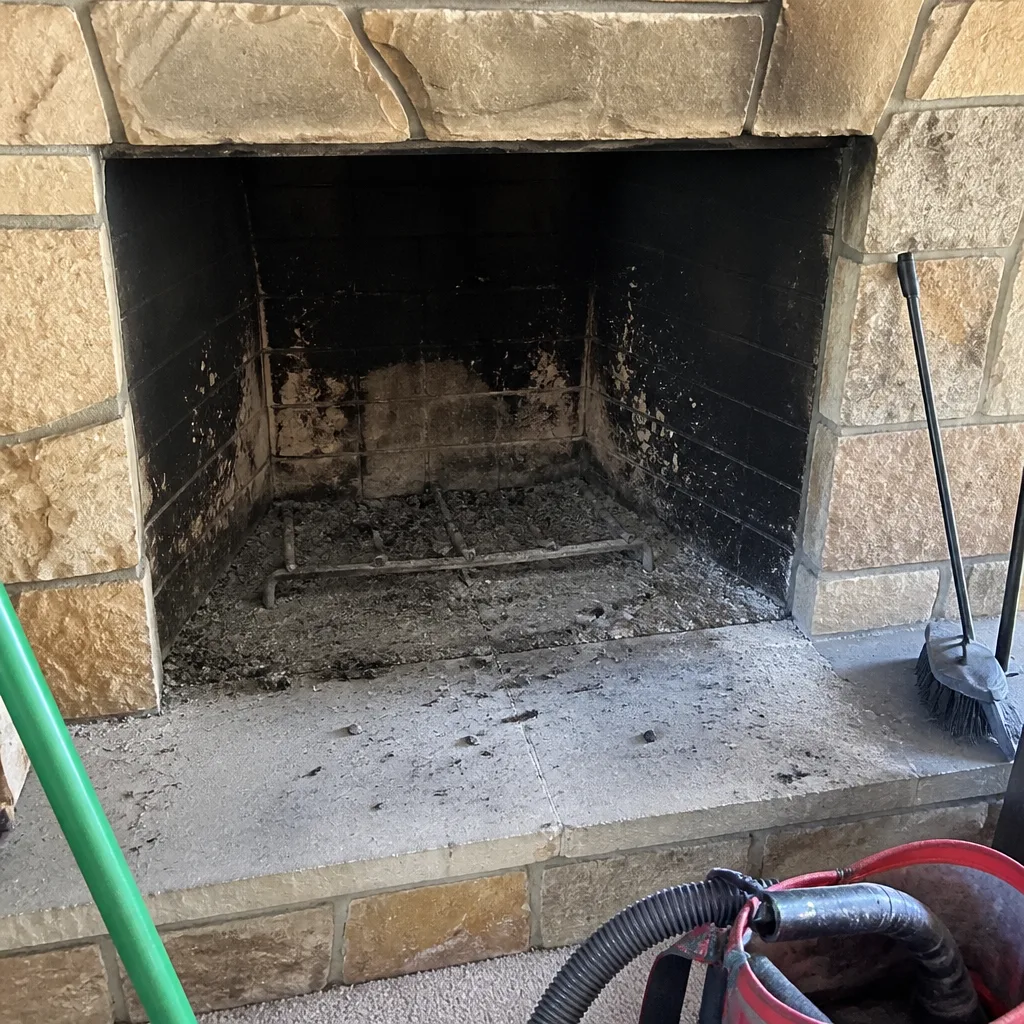 Before
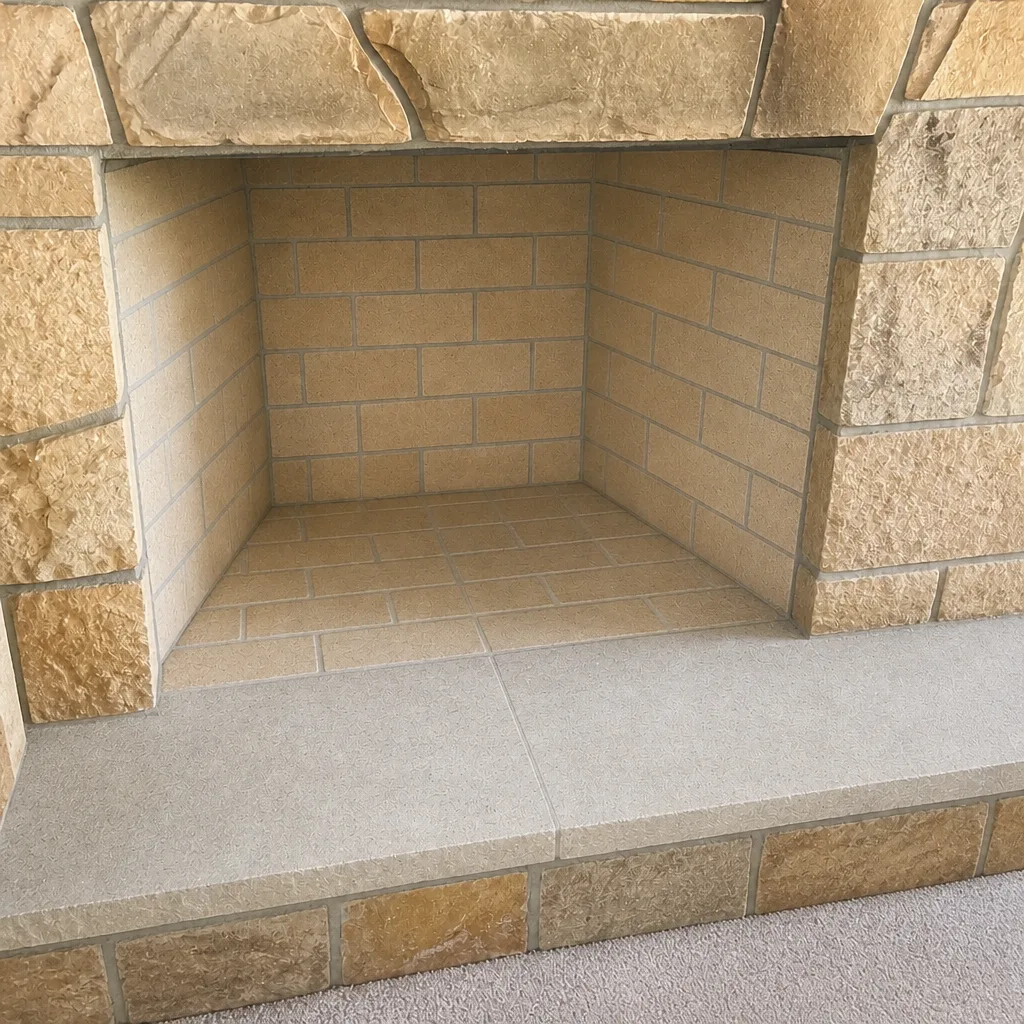 After
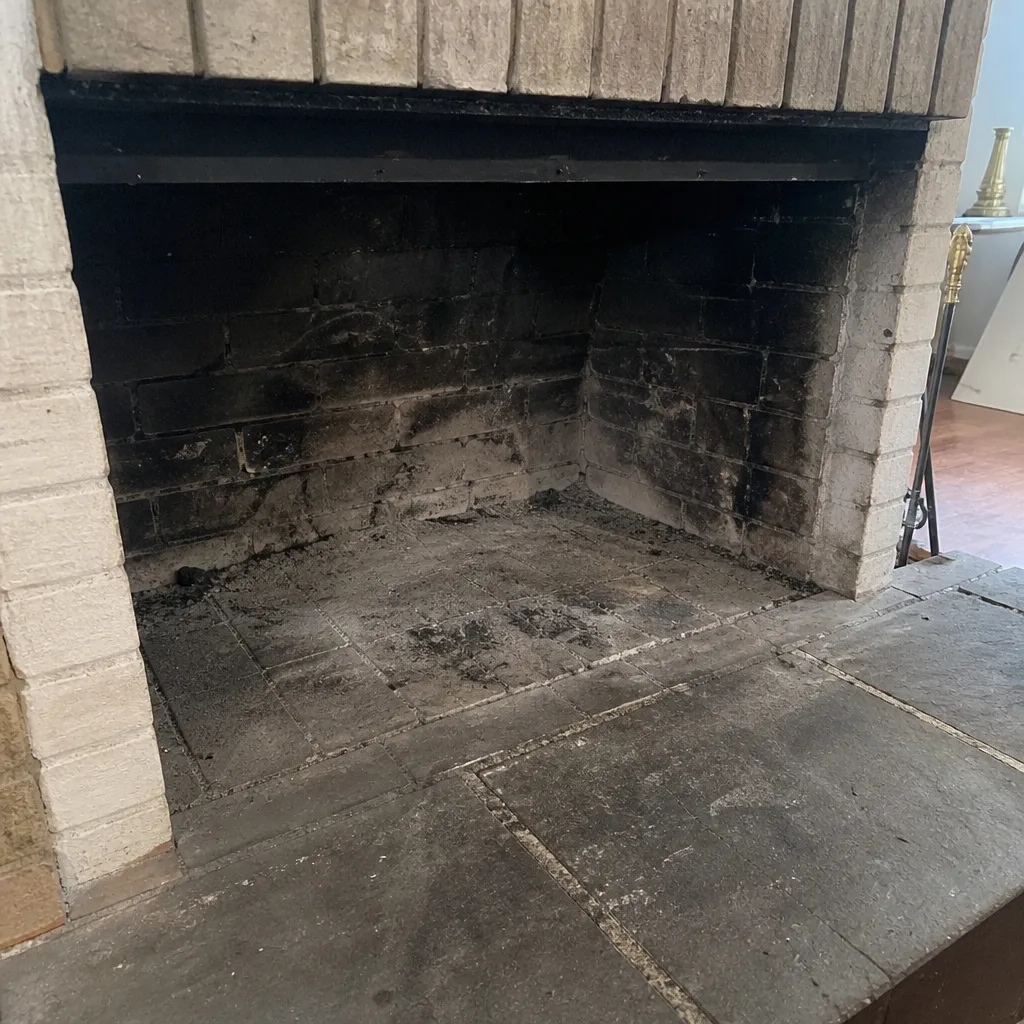 Before
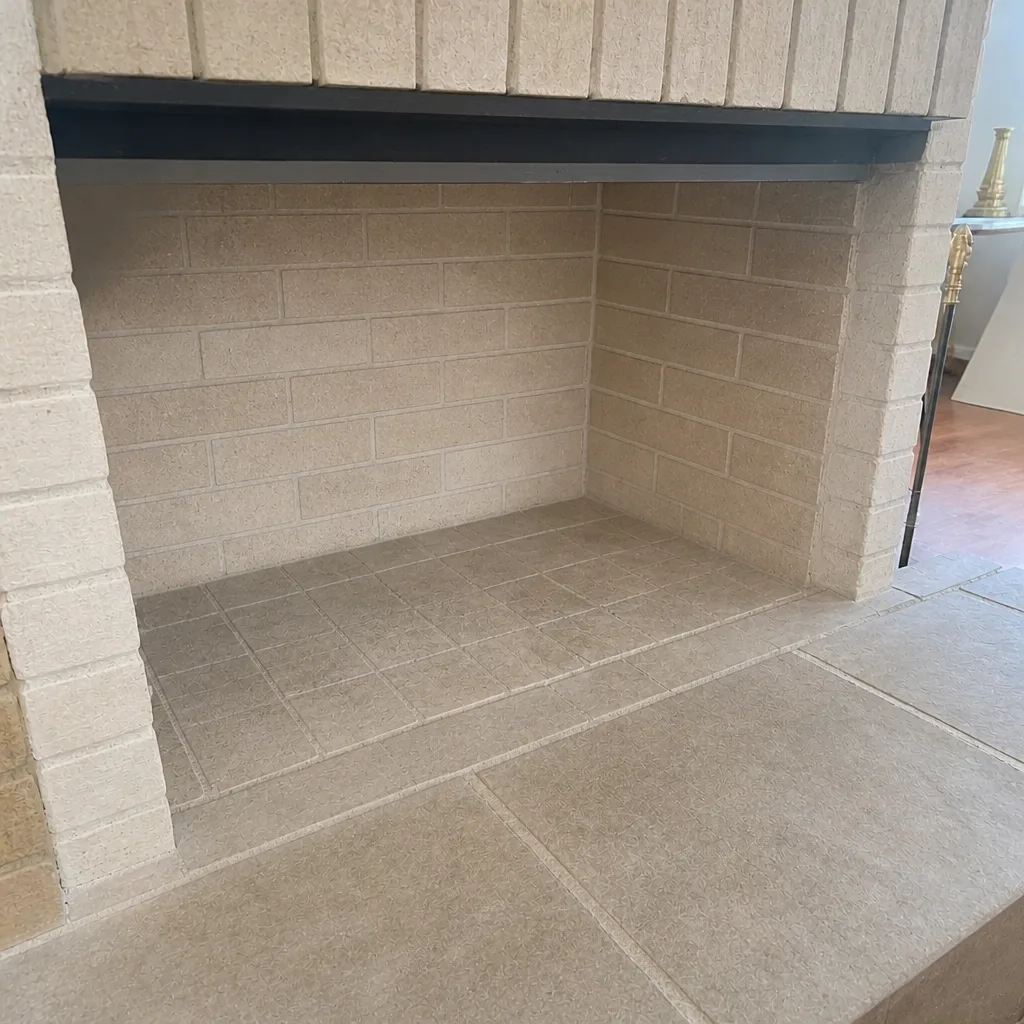 After
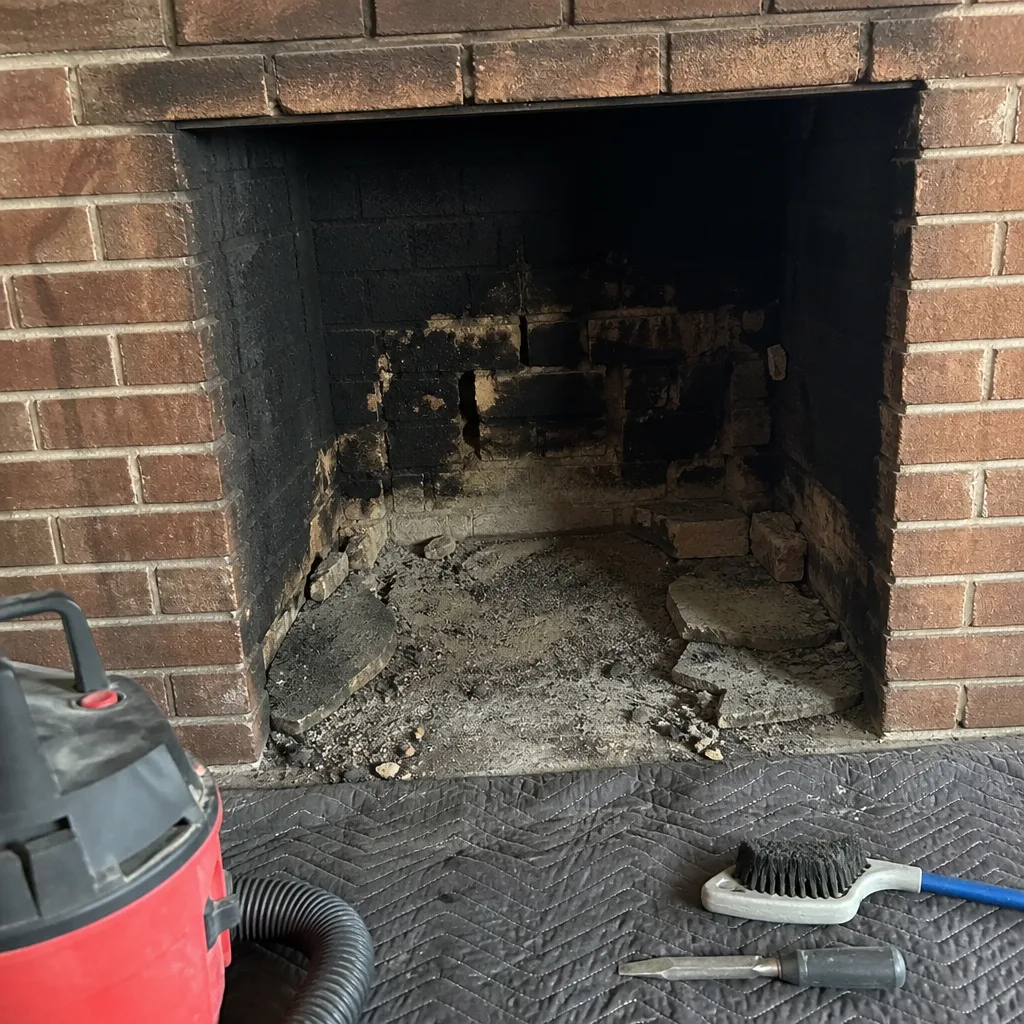 Before
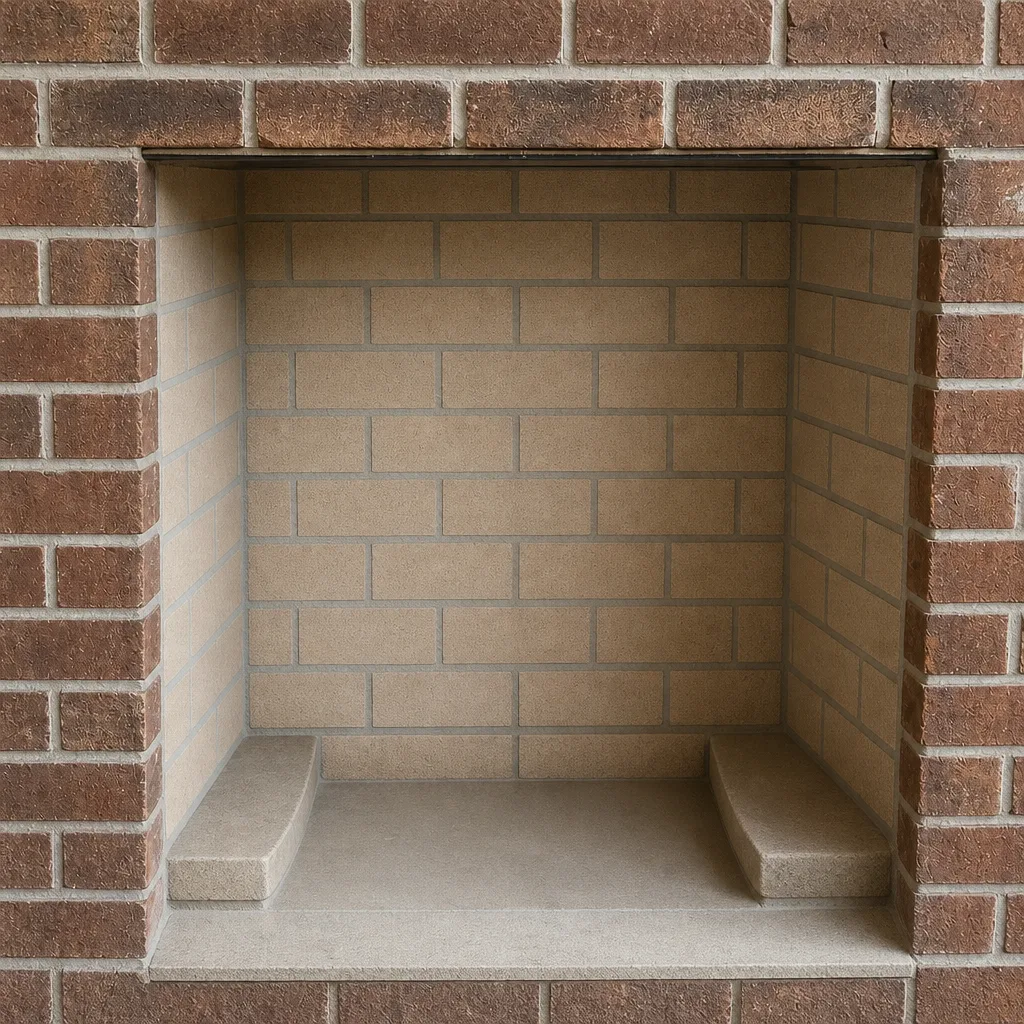 After
When to Call a Professional
Some situations leave no room for a DIY attempt. If you’ve had a chimney fire, call first and don’t burn again until it’s inspected. If you smell a strong creosote odor in warm weather, that’s stage 3 creosote off-gassing, and the flue needs a professional sweep before the next burn season. If smoke rolls back into the room when you light a fire, that’s a draft and structural diagnosis, not a brushing. If you see white staining on the exterior brick, that’s water damage to the crown or flashing. And if you can’t remember the last professional inspection, that’s the whole reason. Our technicians have up to 12 years of experience with everything from annual sweeps to full liner replacements. Commerce City Chimney Sweep offers free estimates in Commerce City. Call (855) 619-0680. We answer 24/7. Fast dispatch from 7am to 7pm, Sunday through Friday.
Frequently Asked Questions
A standard chimney sweep in Commerce City typically runs from $150 to $350, and a sweep with a full camera inspection usually lands between $250 and $500. Prices move with the size of the flue, how much creosote is present, and whether the visit includes a firebox or cap inspection. The written estimate sets the final price, and the estimate itself is free. Call (855) 619-0680 for an exact quote.
Yes, if you burn wood regularly. An annual inspection is the only reliable way to catch liner cracks, cap failures, and creosote glaze before they become a fire or carbon monoxide risk. Skipping a year isn’t catastrophic, but it does mean you’re burning without knowing the condition of the flue. A chimney inspection is offered as a standalone service, so you don’t have to bundle it with a sweep if the sweep was already done.
You can remove stage 1 creosote from a straight, unobstructed flue with a brush kit. What you can’t do is confirm whether the flue has stage 2 or stage 3 creosote, inspect the liner for cracks, check the smoke chamber, or produce a written report for your insurer. For a flue that hasn’t been professionally inspected, DIY brushing leaves the biggest risks untouched.
Creosote accumulates with every fire, and stage 2 and stage 3 deposits are fuel. The risk isn’t just a chimney fire, it’s a chimney fire that cracks the liner and lets flames or carbon monoxide into the framing. Skipping an inspection doesn’t cause a problem immediately, but it means the problem, when it comes, is found after the fact rather than before. Call (855) 619-0680 to schedule an inspection.
A camera inspection is the only way to know. Most Commerce City homes with terra cotta liners are dealing with cracks, spalling, or sections that have shifted over decades of freeze-thaw. Some damage can be restored with HeatShield, some requires a full liner replacement with a DuraFlex system. The camera run and the written report are what determine which path you’re on.
Possibly. Sweeps are priced per job, and a flue with heavy stage 3 creosote takes longer and uses different equipment than a routine annual cleaning. The written estimate spells out the price before we start, so you know what you’re paying. Call (855) 619-0680 for a quote based on your chimney’s condition.
The Bottom Line
DIY chimney brushing is a real option for stage 1 creosote in a straight, accessible flue. It is not a substitute for a professional inspection, and it cannot address stage 2 or stage 3 creosote, a cracked terra cotta liner, or a failing cap and crown. The honest question for Commerce City homeowners isn’t whether you can clean the flue. It’s whether you can see what you just cleaned, and the answer there is usually no. The professional visit is worth the price because it produces a diagnosis, a written report, and a follow-through path for whatever the camera finds. If your chimney hasn’t been inspected in the last year, or if you’ve noticed smoke rollback, odor, or visible cracking, it’s time to schedule. Call (855) 619-0680. We answer 24/7. Fast dispatch from 7am to 7pm, Sunday through Friday. The estimate is free, the price is set per job by the written estimate, and you’ll see the photos before anything is recommended. From the firebox to the crown, one call covers the sweep, the diagnosis, and the fix. chimney sweep and fireplace repair are offered alongside chimney inspections, cap and crown work, and full liner replacement with professional-grade materials from DuraFlex, HeatShield, Gelco, Olympia Chimney, Famco, and Copperfield.
Written by the team at Commerce City Chimney Sweep.