
Last updated November 23, 2026
 Sweep & inspection
 Caps & crowns
 Flue relining
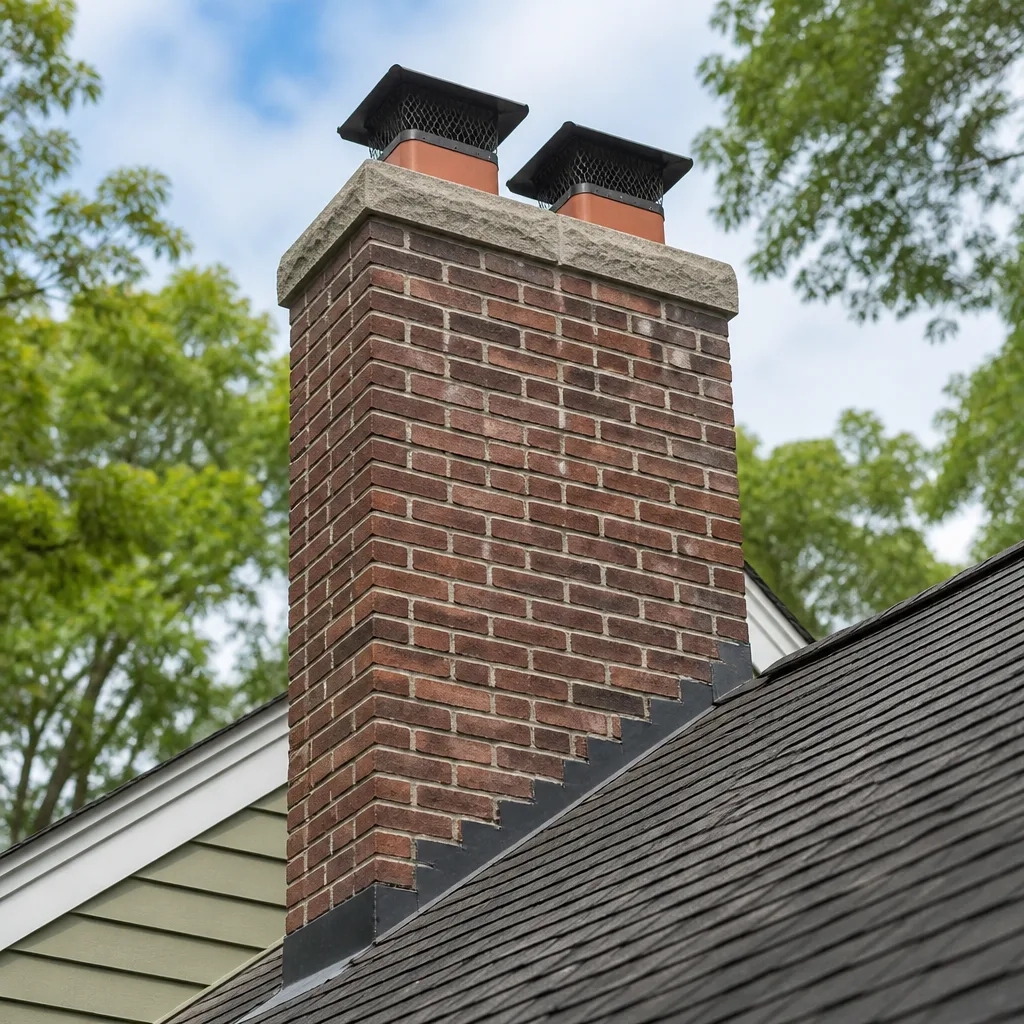 Masonry repair
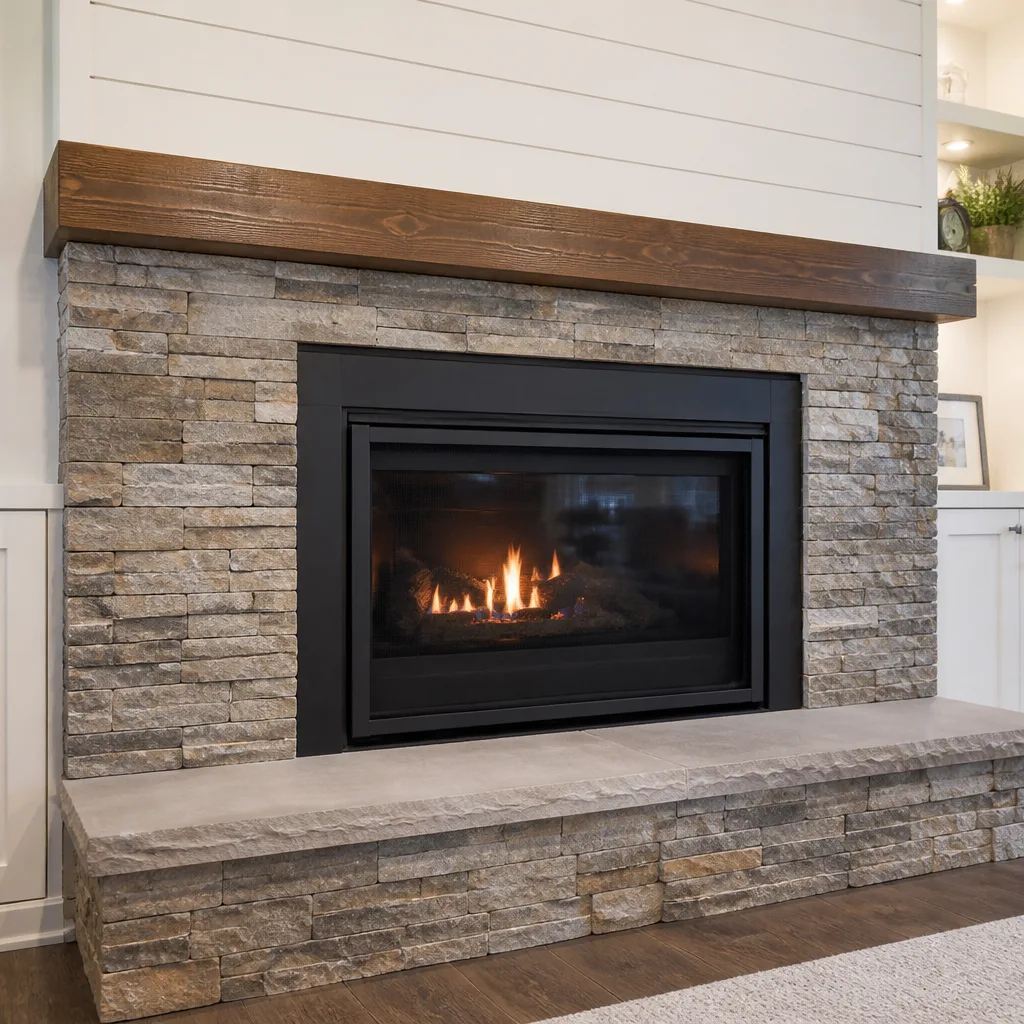 Gas fireplace service
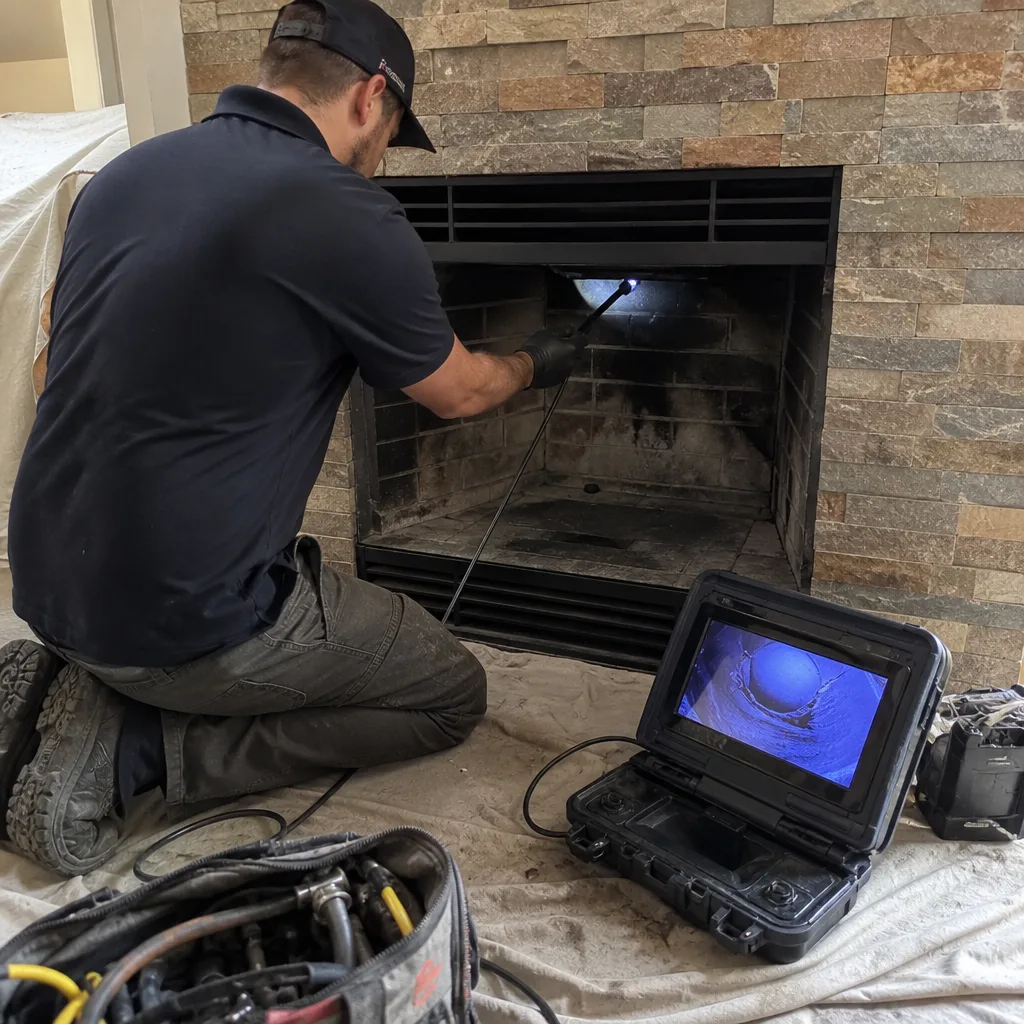
Level 1 sweep and inspection to the NFPA 211 annual standard - flue, crown, cap, and flashing checked and photographed
Chimney sweep logs do not sweep chimneys. They loosen some creosote - which then falls where a brush and vacuum still have to collect it.
Seasonal Chimney Cleaning Care for Commerce City: Year-Round Homeowner’s Guide
Most Commerce City homeowners book a chimney sweep in October, and that single visit becomes the entire maintenance plan. It’s a local habit, not a strategy. By the time that fall appointment arrives, summer wind has already torn at the cap screen, spring freeze-thaw has been working on the crown mortar for months, and the creosote from last winter has been sitting in the flue since March. A chimney doesn’t wear out in one season. It wears differently in each one. This guide walks through what actually happens to a chimney in Commerce City across all four seasons, what to check when, and how to build a rolling service log so each visit builds on the last instead of starting from zero.
Quick Answer
Chimney care in Commerce City works best on a four-season cycle: a spring inspection for freeze-thaw and thermal damage, a summer check of the cap, screen, and sealants, a full cleaning and Level 1 inspection in fall before first burn, and a mid-season check in winter for heavy wood-burners. One fall sweep alone misses the damage that spring and summer do to the exterior of the system.
Styles & brands we work with
- Sweep & inspection
- Caps & crowns
- Flue relining
- Masonry repair
- Gas fireplace service
Table of Contents
- Why One Fall Sweep Isn’t Enough in Commerce City
- Spring: Post-Heating-Season Inspection
- Summer: Cap, Screen, and Sealant Check
- Fall: Full Cleaning and Level 1 Inspection
- Winter: Mid-Season Checks for Heavy Wood-Burners
- How to Build a Rolling 12-Month Service Log
- What You Can Check Yourself and What You Can’t
- Common Mistakes to Avoid
- When to Call a Professional
- Frequently Asked Questions
Why One Fall Sweep Isn’t Enough in Commerce City
A chimney has two lives. The inside handles smoke, creosote, and moisture from combustion. The outside handles weather. When you only service the inside once a year in fall, the outside runs unmonitored for eleven months. In Commerce City that matters more than it does in milder climates, because the swing between a hard freeze and a warm afternoon happens repeatedly through late winter and early spring. Masonry expands and contracts with each cycle. Mortar that looked fine in October can be cracked and pulling away from the brick by April.
There’s a second reason the fall-only habit underperforms. Creosote load is cumulative. What you don’t remove in one season sits in the flue and gets a fresh layer on top of it the next. Glazed, third-degree creosote is harder to remove than the soft, flaky first-degree kind, and it’s the glazed form that carries the higher fire risk. Cleaning before the burn season resets the clock. Cleaning only after months of buildup means you’re always one step behind.
Our technicians have up to 12 years of experience, and the pattern we see most often is a chimney that gets excellent fall attention and no attention the other nine months. The fix is simple: spread the work across the calendar instead of stacking it into one appointment.
What each season actually stresses
- Spring: freeze-thaw cycling on the crown, flashing, and liner joints; thermal cracks from a winter of hot flue gas against cold masonry.
- Summer: hail, wind-driven debris, and ultraviolet light breaking down sealants; birds and squirrels moving nesting material into the flue.
- Fall: last season’s creosote load, a damper that hasn’t moved in months, and the first-use checklist.
- Winter: heavy burn rates, wet or green wood producing incomplete combustion, and draft problems that show up as smoke rollback or odor.
Spring: Post-Heating-Season Inspection
Spring is when you find out what winter did. The heating season is over, the flue is cool, and the whole system can be examined without a fire in it. This is the visit that catches liner cracks and crown damage early, before summer storms push water into places it shouldn’t be.
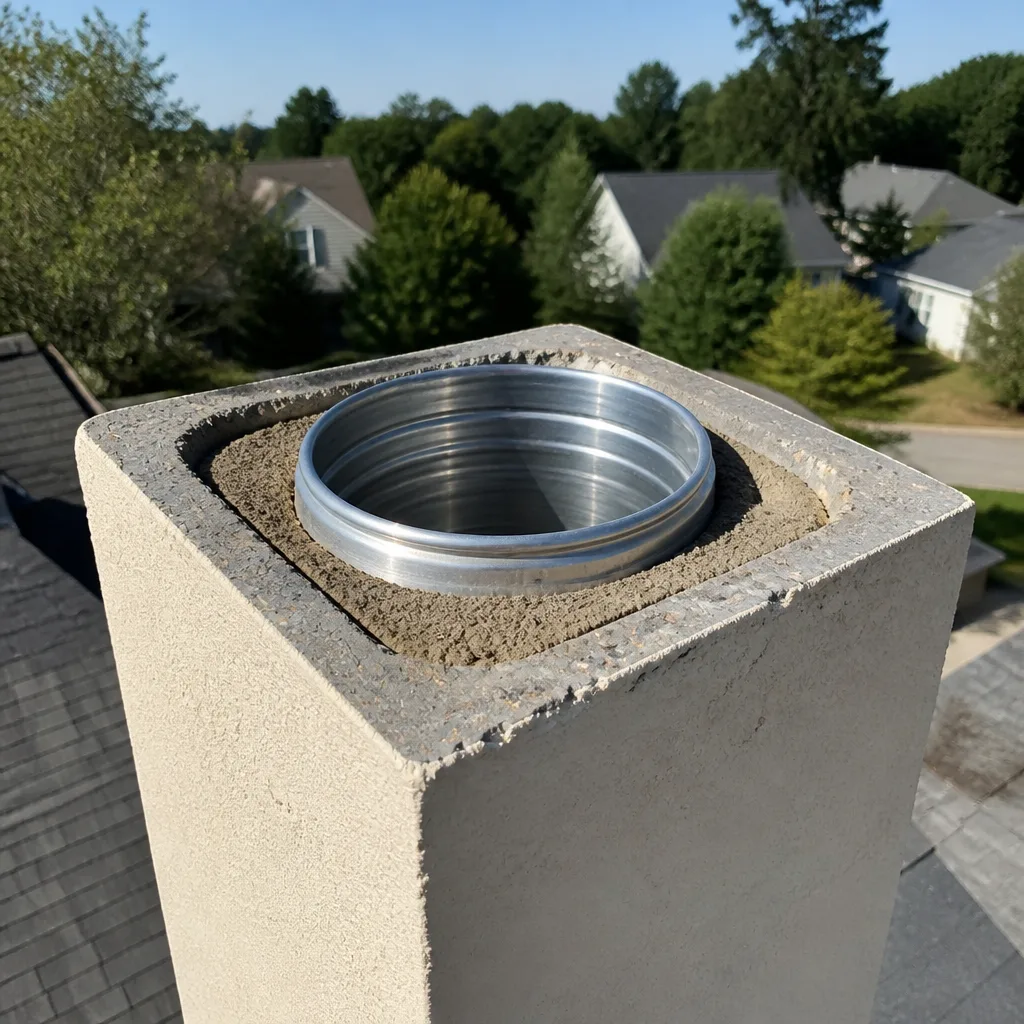
Winter thermal cycling is the main culprit. A hot flue inside cold masonry creates stress at every joint. Flexible stainless liners handle this well, which is one reason we install DuraFlex systems when a liner needs replacing, but even a good liner has connection points worth inspecting. Clay tile liners, which are common in older Commerce City homes, are more vulnerable. A hairline crack in a tile doesn’t announce itself. It shows up on a camera inspection, and it matters because a cracked liner is a path for carbon monoxide and heat to reach the structure around the chimney.
On the exterior, spring is the season to look hard at the crown, the flashing where the chimney meets the roof, and the mortar joints. Water is the enemy here, and every freeze-thaw cycle widens a gap that water can enter. Once water is inside the masonry, the next freeze pushes it apart further.
Spring inspection checklist
- Camera-inspect the flue for liner cracks, gaps at joints, and any separation between sections.
- Check the crown for cracks, spalling, and separation from the flue tile.
- Look at the flashing and the roof-to-chimney seal for lifted or failed edges.
- Probe the mortar joints on the exterior stack for soft or receding mortar.
- Confirm the damper opens and closes fully and seats properly.
- Note any creosote remaining from the prior season so fall cleaning has a baseline.
Spring is also the right time for structural fireplace work that’s easier to schedule when you’re not using the fireplace. If you’ve noticed cracked firebox brick or crumbling refractory mortar, this is the season to address it. HeatShield-familiar technicians can restore a deteriorating firebox or flue liner in many cases without full demolition, which keeps a repair from turning into a rebuild. Our fireplace repair service starts with that same inspection-first approach.
Summer: Cap, Screen, and Sealant Check
Summer looks like the quiet season for a chimney. It isn’t. It’s the season the top of the system takes the most abuse, and it’s the season animals move in. Hail season on the Front Range leaves its mark on chimney caps and screens, and months of direct sun and heat break down the sealants that keep water out of the crown and flashing.
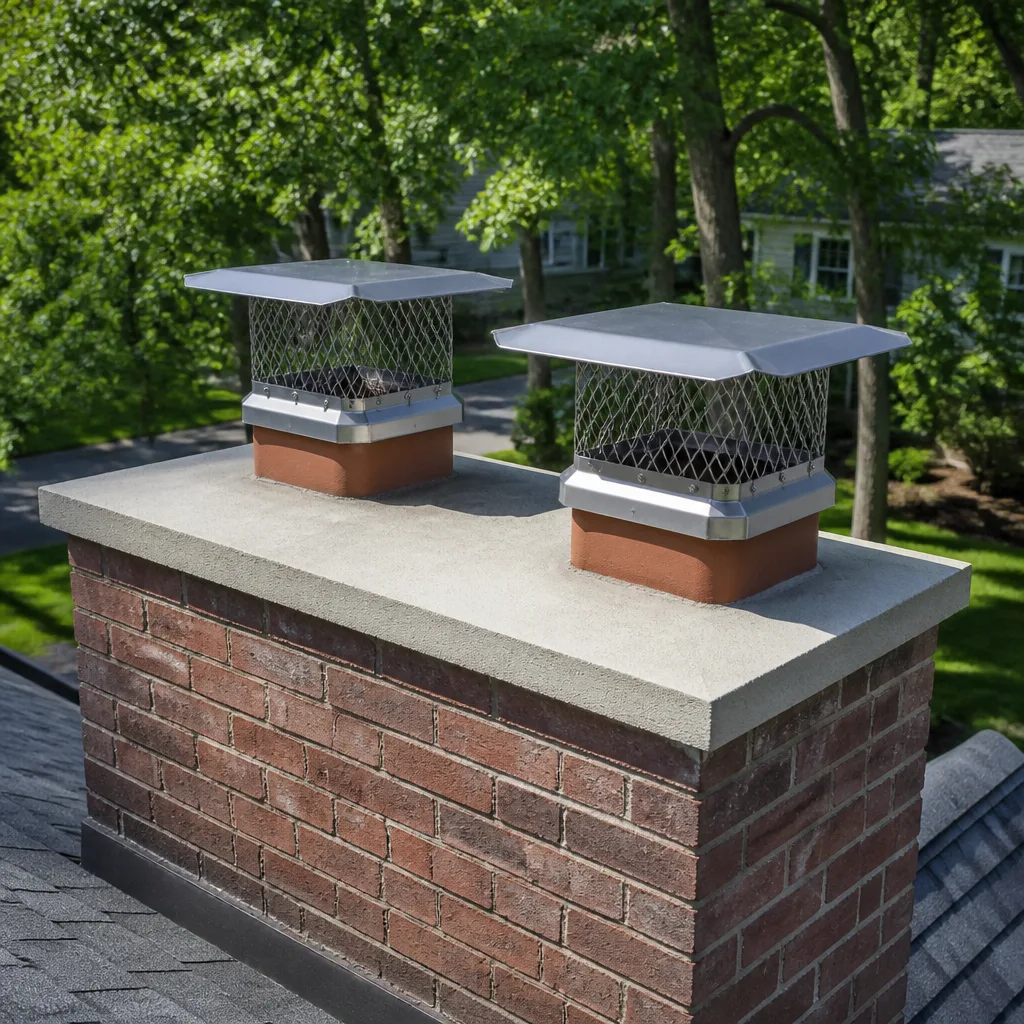
The cap and screen are doing more work than most homeowners realize. A cap keeps rain out of the flue and animals out of the chimney. A screen keeps sparks in and debris out. When hail dents a cap, cracks a screen, or knocks one loose, the flue becomes an open door. Birds, squirrels, and raccoons look for exactly that kind of opening. Nesting material inside a flue is a fire hazard once a fire is lit again in fall, and by late summer it’s dried out and ready to burn.
Summer is when we recommend a dedicated cap and crown inspection. The components to check:
- Cap: dents, cracks, rust, and whether it’s still securely fastened.
- Screen or mesh: holes, tears, and whether the mesh is fully intact.
- Crown: new cracking, spalling, and the condition of the crown-to-flue seal.
- Chimney sealant and caulk: UV breakdown, peeling, and gaps at flashing and crown edges.
- Flue interior: nesting material, debris, and any moisture from summer storms.
Cap and crown work is a structural layer of chimney care, not an accessory. If the cap is failing, replacing it now is cheaper and simpler than dealing with water damage to the crown, the flashing, and eventually the ceiling below. Our cap and crown service covers installation and replacement, and we work with professional-grade components from brands like Copperfield and Famco so the part that fails in a hailstorm is built to handle it.
Fall: Full Cleaning and Level 1 Inspection
Fall is the visit everyone books, and it’s the right time for it. The flue is cool, the burn season is about to start, and a full cleaning resets the creosote clock. What makes a fall visit genuinely useful is pairing the cleaning with a Level 1 inspection, which is the standard inspection covering readily accessible portions of the chimney, the connector, and the firebox.
The cleaning itself removes whatever creosote built up during the previous season plus anything that settled over the summer. That matters because creosote comes in stages. Soft, flaky creosote brushes out easily. Hard, glazed creosote needs more work, and if it’s been allowed to accumulate over multiple seasons it can be stubborn enough to require chemical treatment or, in severe cases, resurfacing. Getting the cleaning done before you light the first fire means you start winter with a clean flue instead of adding to last year’s buildup.
What a proper fall visit covers
- Full sweep of the flue to remove creosote and debris.
- Level 1 inspection of the firebox, damper, smoke chamber, and flue.
- Damper function check to confirm it opens, closes, and seats.
- Cap and screen condition check.
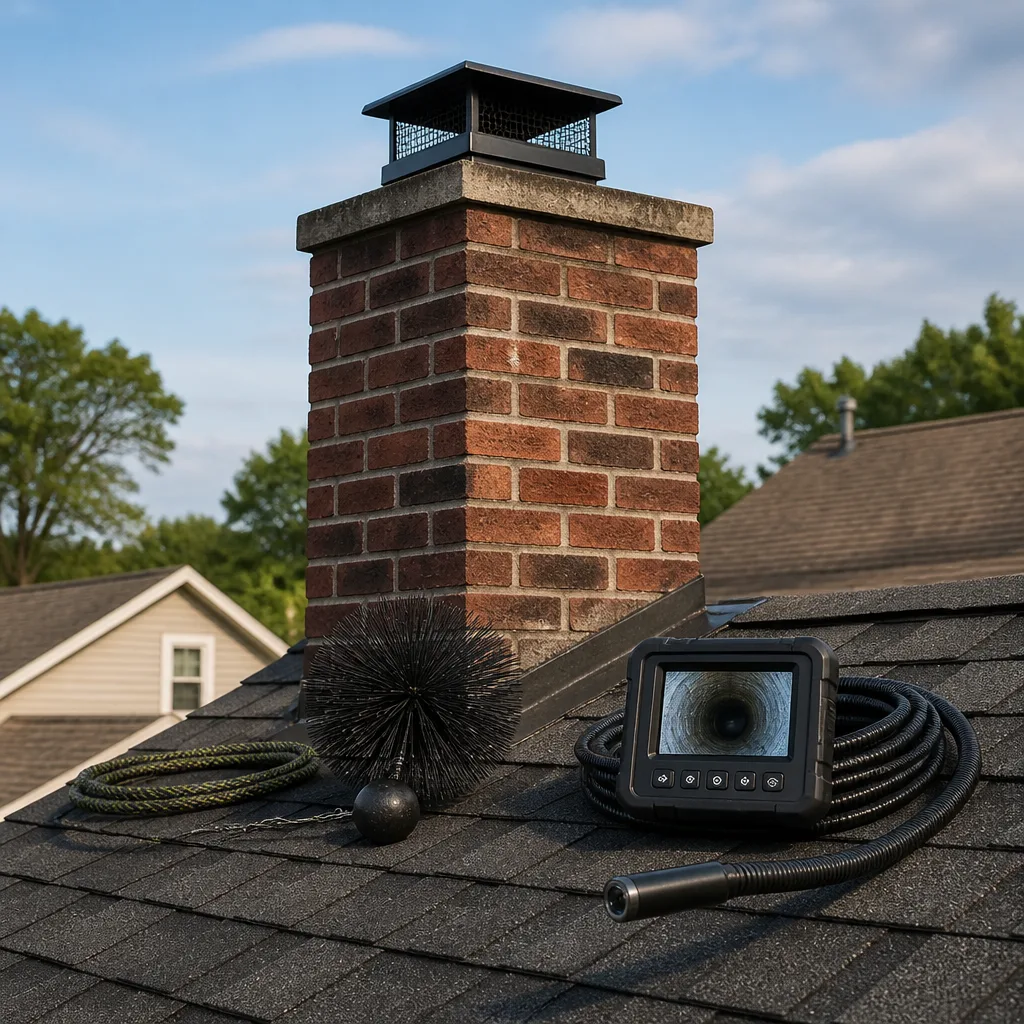
- Camera inspection where the visual inspection leaves questions, with a photo report.
- A written summary of what was found and what, if anything, needs attention.
The camera inspection is the part that earns its keep. Most homeowners can’t see inside their own flue, which means a recommendation to replace a liner or repair a firebox can feel like a leap of faith. It shouldn’t be. Nothing gets recommended without camera evidence you can look at yourself, and we tell you plainly when a repair can wait. A sweep and inspection in Commerce City makes more sense as a diagnostic visit than a once-over, and the photo report is what turns it into one.
Fall is also when a lot of homeowners discover they need chimney repair they didn’t know about. Catching it before the first fire is far better than catching it after a smoke rollback at 9pm in January.
Winter: Mid-Season Checks for Heavy Wood-Burners
Winter is the season most people stop thinking about maintenance and just burn. How often you should check depends on how hard you burn and what you burn. A homeowner lighting a fire a few times a week can usually go the season on the fall inspection. A household heating primarily with wood should schedule a mid-season check, somewhere around the midpoint of the burn season.
The biggest winter variable is fuel quality. Wood with high moisture content doesn’t burn cleanly. It produces more smoke, more creosote, and less heat, and it can cool the flue gases enough that draft becomes inconsistent. The result is often smoke rollback, where smoke comes out of the firebox into the room instead of going up the flue. That’s a draft problem, and it’s worth diagnosing rather than tolerating. Smoke in the living room is also a sign the appliance isn’t venting the way it should.
Winter warning signs worth a call
- Smoke rolling back out of the fireplace when you light a fire or add wood.
- Persistent smoky odor in the room, even when no fire is burning.
- A fire that struggles to stay lit or burns weakly despite dry wood.
- Visible creosote or shiny glazing on the firebox walls or damper.
- A sudden increase in creosote buildup compared to past seasons.
- Any sign of heat or soot around the thimble or ceiling near the chimney.
Some of these are nuisance-level. Others point to a draft or venting problem that should be looked at before the next fire. When in doubt, stop burning and get it checked. A clean flue is a safe flue, and a mid-season inspection is a small visit compared to the consequences of a chimney fire or a carbon monoxide problem.
How to Build a Rolling 12-Month Service Log
The difference between a well-maintained chimney and one that keeps surprising you is documentation. A rolling service log turns each visit into a data point instead of a fresh start. Instead of a technician asking “when was the last time this was cleaned?” and getting a shrug, they open the log and see the whole history.
The log doesn’t need to be complicated. A folder, a notebook, or a shared digital note works. What matters is that every visit and every observation lands in it.
What to record after every service visit
- The date and the type of service (sweep, inspection, cap check, repair).
- The level of inspection performed and what was covered.
- Findings from the camera inspection, including photos if a report was provided.
- The estimated creosote level and where it was concentrated.
- Any recommended repairs, with a note on whether they were urgent or could wait.
- The date and outcome of any repair performed.
- Brands and part numbers of any components installed, such as a liner or cap.
- Your own notes on burn habits that season: how much wood, what type, how dry.
The brands and part numbers matter more than they seem. If a DuraFlex liner was installed, that tells the next inspector the flue is a stainless flexible system, and it tells you what warranty and service history to expect. If a HeatShield restoration was done on the firebox, that’s a repair with a specific lifecycle. Knowing what’s in the chimney is worth more than a vague memory of “someone fixed it a few years ago.”
The log also makes it easier to spot trends. Two seasons in a row of accelerated creosote buildup is a signal. So is a crack that was monitored in spring and grew by fall. Neither means much in a single visit. Both mean a lot across three.
What You Can Check Yourself and What You Can’t
Some chimney observation is safe for a homeowner, and some of it is genuinely dangerous to attempt. Knowing the difference keeps you out of trouble.
Safe to check yourself, from the ground or with binoculars:
- Visible cracks, spalling, or missing mortar on the exterior stack.
- The condition of the cap and screen, and whether either is loose or damaged.
- Water staining on the chimney or the ceiling near it.
- Whether the damper opens, closes, and seats.
- Whether smoke rolls back into the room when you light a fire.
- The presence of nesting material or debris near the flue opening.
Not safe to do yourself:
- Getting on a roof to inspect or work at the top of a chimney, especially steep roofs or wet conditions.
- Climbing inside or reaching deep into the flue to remove creosote or debris.
- Attempting to inspect or repair the liner, firebox interior refractory, or smoke chamber.
- Any work around the flashing or crown at roof height.
Roof access and the interior of the flue are the two places where a homeowner injury is most likely and where a trained professional is the right call. Our chimney sweep visits include both the sweep and the accessibility check, done safely. If you’ve noticed a problem from the ground, we can confirm it with a camera before anyone gets on a roof.
Common Mistakes to Avoid
- Booking only one fall sweep and skipping the rest of the year. The fall visit is essential, but it doesn’t see the damage spring freeze-thaw and summer hail do to the crown, cap, and sealants. Those need their own look.
- Burning wet or green wood all season. High-moisture wood burns cooler and dirtier, which accelerates creosote buildup and can cause draft problems. Seasoned, dry wood is the single easiest way to reduce what ends up in the flue.
- Ignoring smoke rollback as a “cold chimney” problem. Smoke in the room is a draft symptom. It can be as simple as a cold flue or as serious as a blocked or compromised liner, and it deserves a diagnosis.
- Skipping the camera inspection because the visual inspection “looked fine.” The visual inspection can only see what’s accessible. Cracks and gaps inside the liner need a camera, and that’s where the important findings usually are.
- Treating the cap and screen as optional. A failed cap lets water into the flue and animals into the chimney. Summer hail and winter weather both take a toll, and a loose or damaged cap is worth replacing before it causes a bigger problem.
- Not documenting what was found or installed. A service log with dates, findings, and component brands turns each visit into part of a record. Without it, every inspection starts from scratch.
- Firing the chimney up in fall without confirming the damper. A damper that doesn’t open fully or seat properly affects draft and heat loss. It takes a minute to check and saves a lot of confusion.
When to Call a Professional
Some situations are clear calls: smoke rolling into the room, a warning sign you noticed and can’t place, a crack in the crown, a damaged cap, a firebox that’s losing brick or mortar. Others are less obvious but worth a professional look. If you’ve burned more than usual this season, if your wood has been wetter than it should be, or if it’s simply been longer than you can remember since the last sweep, schedule an inspection.
The reason to call early is that spring and summer are when exterior problems are easiest to catch and cheapest to fix. Water damage that starts at a cracked crown or failed flashing has a way of finding the ceiling below. A failing cap lets nesting material in that has all summer to dry into a fire hazard. The best chimney visit is the one that finds the problem before it finds you.
Commerce City Chimney Sweep offers free estimates in Commerce City. We handle the sweep, the inspection, and any repair the inspection turns up, all from one company. Call (855) 619-0680. We answer 24/7. Fast dispatch from 7am to 7pm, Sunday through Friday.
Frequently Asked Questions
Once a year for most homes, and more often if you burn heavily or notice warning signs. The industry standard is an annual inspection paired with a sweep when creosote has built up. In Commerce City, the spring and fall inspections cover different things, so a homeowner who wants full coverage tends to schedule both, with summer cap and screen checks in between.
The freeze-thaw cycle is the main factor, and it’s hard on masonry. Repeated freezing and thawing of moisture in the brick, mortar, and crown widens cracks over time. Summer hail and UV exposure add wear to the cap, screen, and sealants. The chimney itself isn’t more fragile here, but the weather works on it in more ways across the year.
A Level 1 inspection covers the readily accessible parts of the chimney, connector, and firebox, which is what a standard annual visit includes. A camera inspection goes inside the flue to look at the liner, joints, and any buildup that can’t be seen otherwise. At Commerce City Chimney Sweep, the camera inspection and photo report are part of what we do so you can see exactly what we’re seeing. Call (855) 619-0680 for an estimate.
Clear the firebox of ash and any unburned wood, and remove items from the hearth and mantel that could get in the way. Make sure the technician can access the fireplace and, if there’s an exterior inspection, the roof or chimney from the ground. If you have a service log or records from past visits, have them out so the inspection can build on what’s already known. Estimates are free, so call (855) 619-0680 to get scheduled.
Around the middle of your burn season, once you’ve had enough fires to see how the chimney is behaving. Watch for smoke rollback, persistent odor, creosote buildup, or a fire that struggles to vent. If any of those show up before the midpoint, call earlier. A cheaper visit now beats a bigger repair later, and estimates are free at (855) 619-0680.
Sweep pricing depends on the job, the creosote level, and what the inspection finds, and the final price is set by a written estimate before any work begins. We don’t quote a number sight unseen because we’d rather be accurate than approximate. Call (855) 619-0680 for a free estimate, and we’ll tell you exactly what the job involves.
The Bottom Line
A chimney in Commerce City has four seasons of stress, not one. Spring inspection catches freeze-thaw and thermal damage while it’s still small. Summer checks protect the cap, screen, and sealants from hail, sun, and nesting animals. Fall cleaning and a Level 1 inspection reset the flue before the first burn. Winter checks catch draft and combustion problems early for heavy burners. A rolling service log ties it all together so each visit builds on the last. A clean flue is a safe flue, and a schedule spread across the year is what keeps it that way.
Whether you need a spring inspection, a fall sweep, or a cap and crown replaced before the next storm season, Commerce City Chimney Sweep handles the whole system from the firebox to the crown. Our technicians have up to 12 years of experience, and the local pro we connect you with is licensed and insured as the state requires. We install and service professional-grade components from brands like DuraFlex, HeatShield, Copperfield, Famco, Olympia Chimney, and Gelco, and inspections are offered as a standalone service, not bundled as an upsell to cleaning.
Ready to get ahead of the season? Call (855) 619-0680 for a free estimate. We answer 24/7. Fast dispatch from 7am to 7pm, Sunday through Friday. For the full picture of what we do, start at Commerce City Chimney Sweep.
Written by the team at Commerce City Chimney Sweep.
See the difference
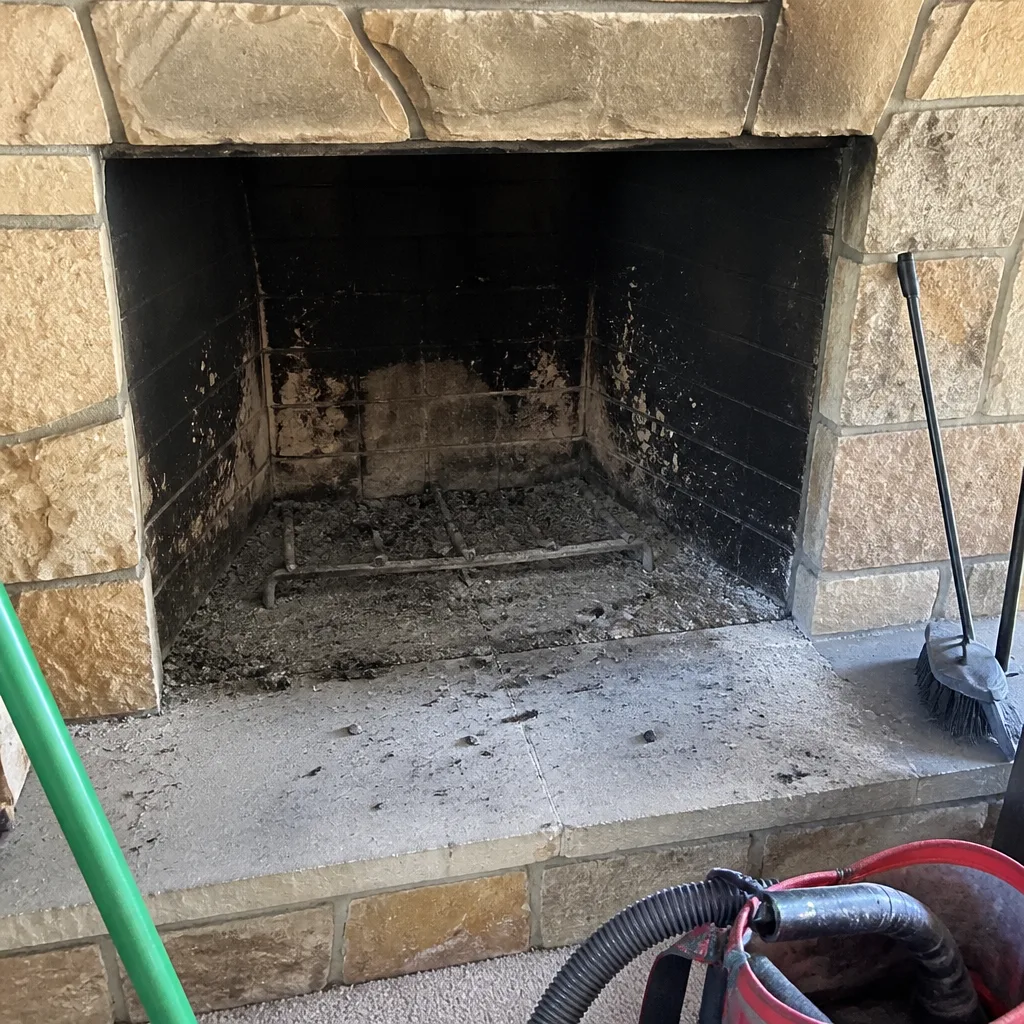 Before
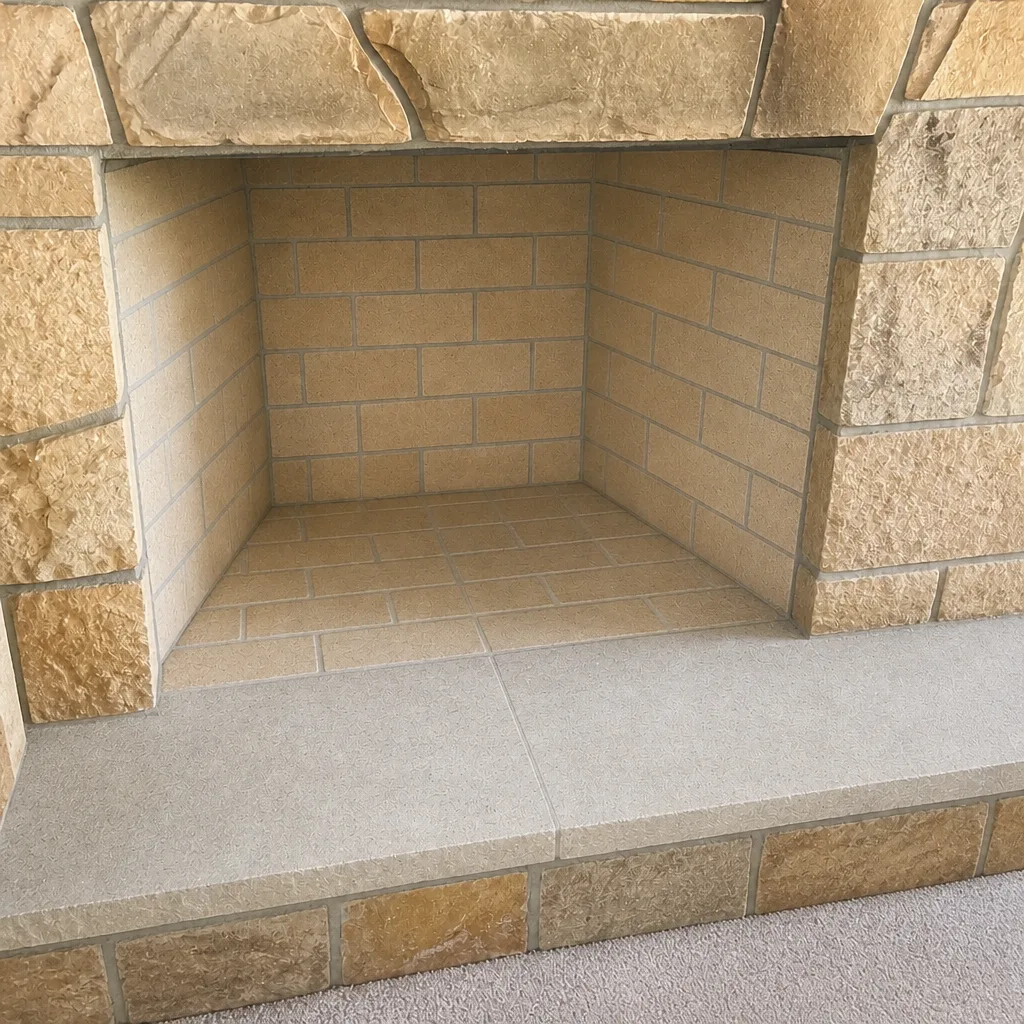 After
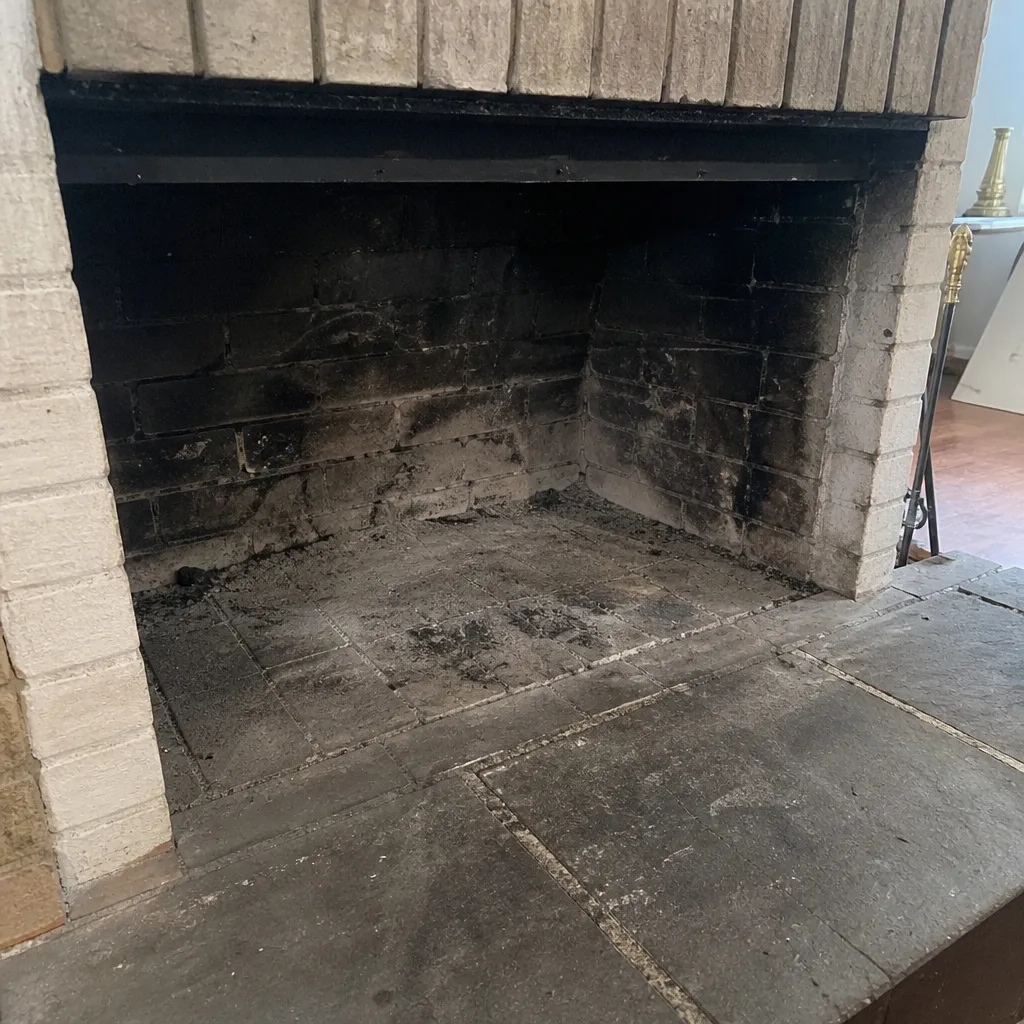 Before
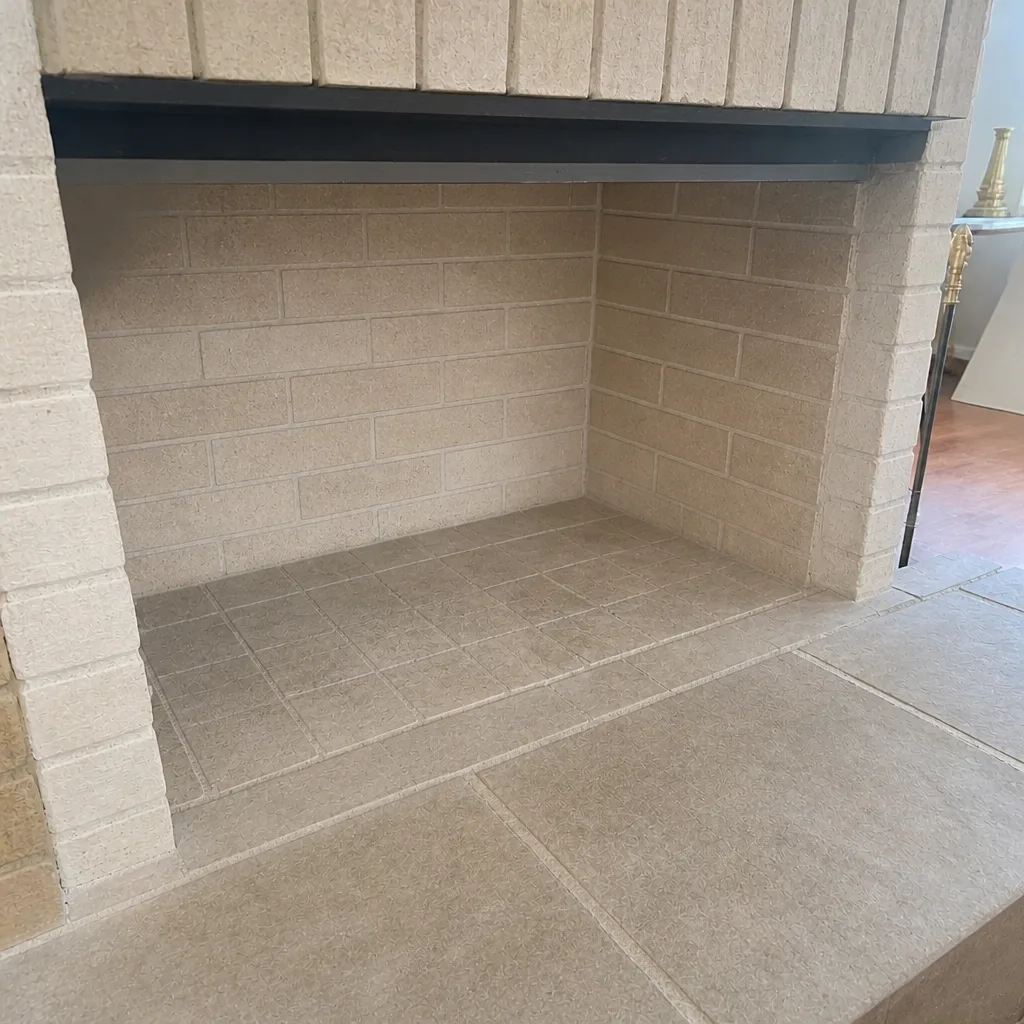 After
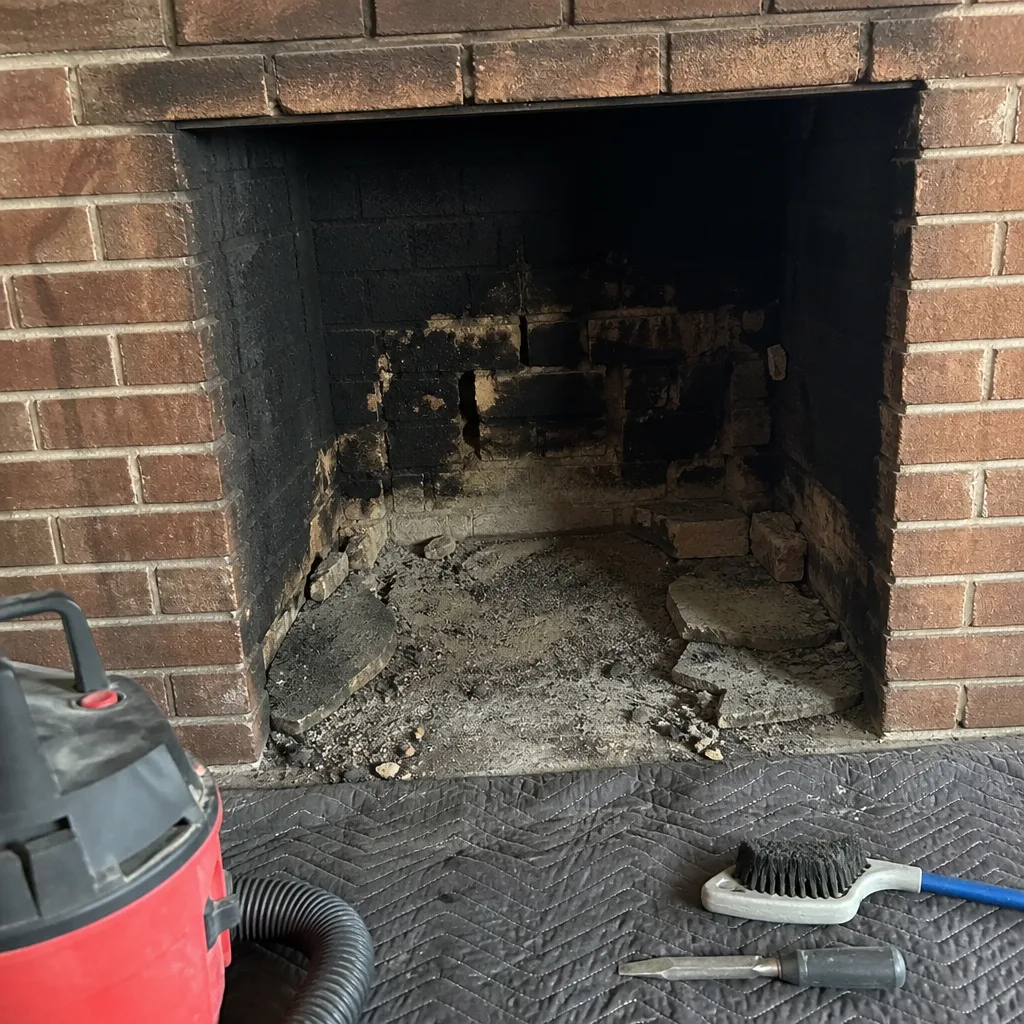 Before
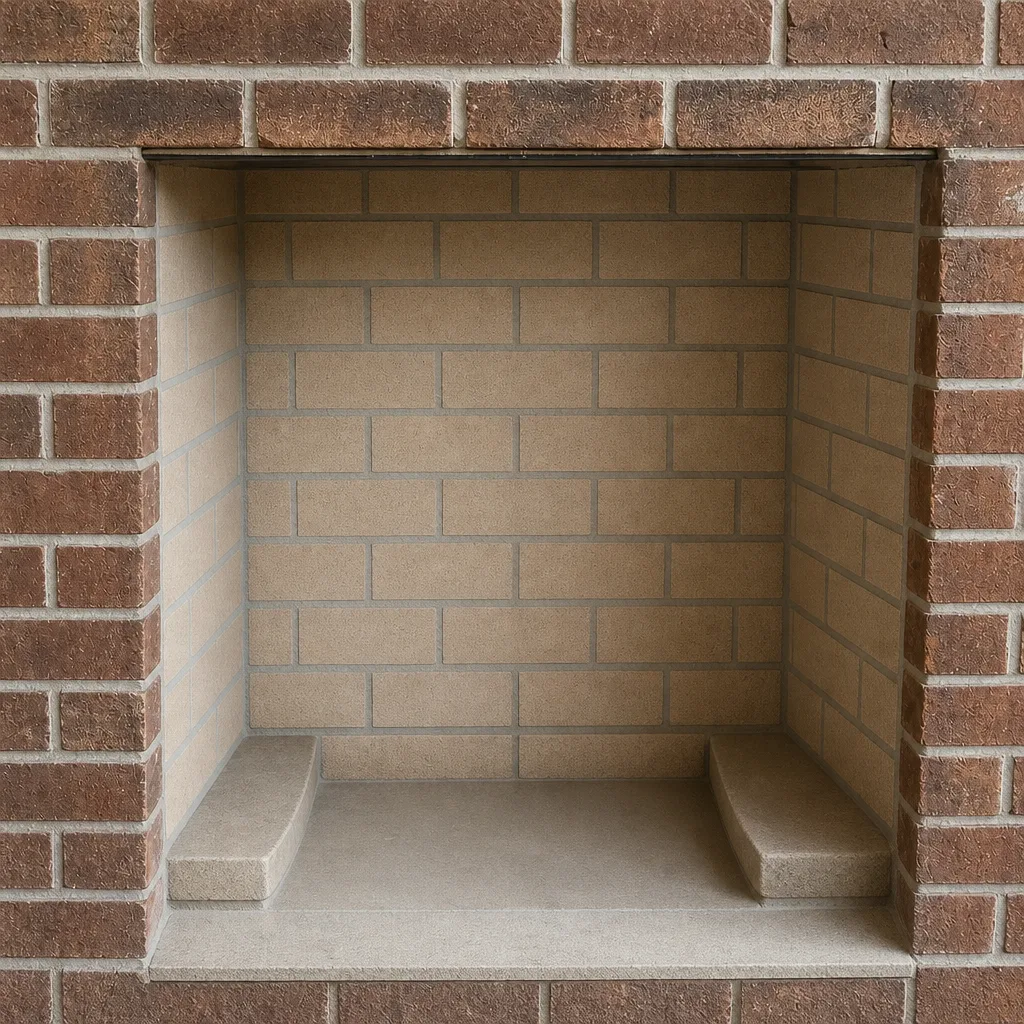 After