
Last updated November 23, 2026
 Sweep & inspection
 Caps & crowns
 Flue relining
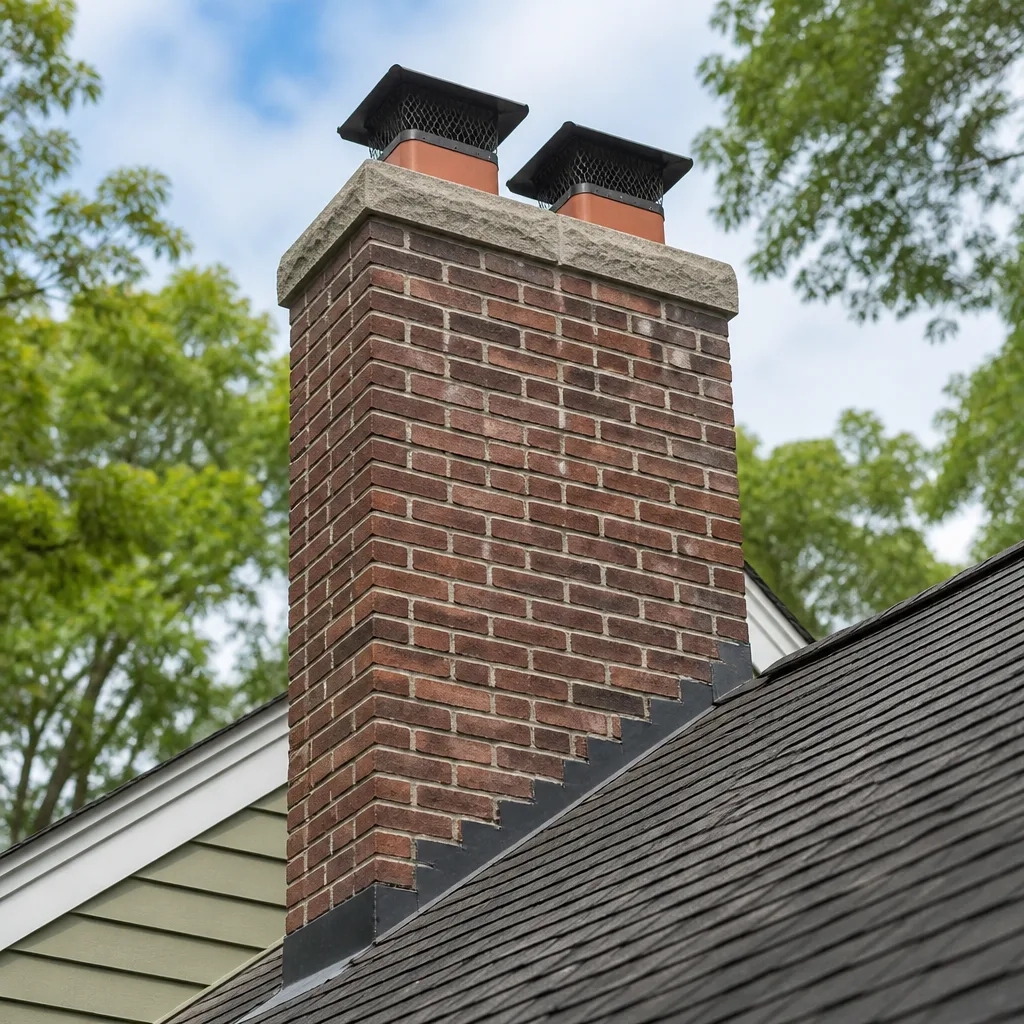 Masonry repair
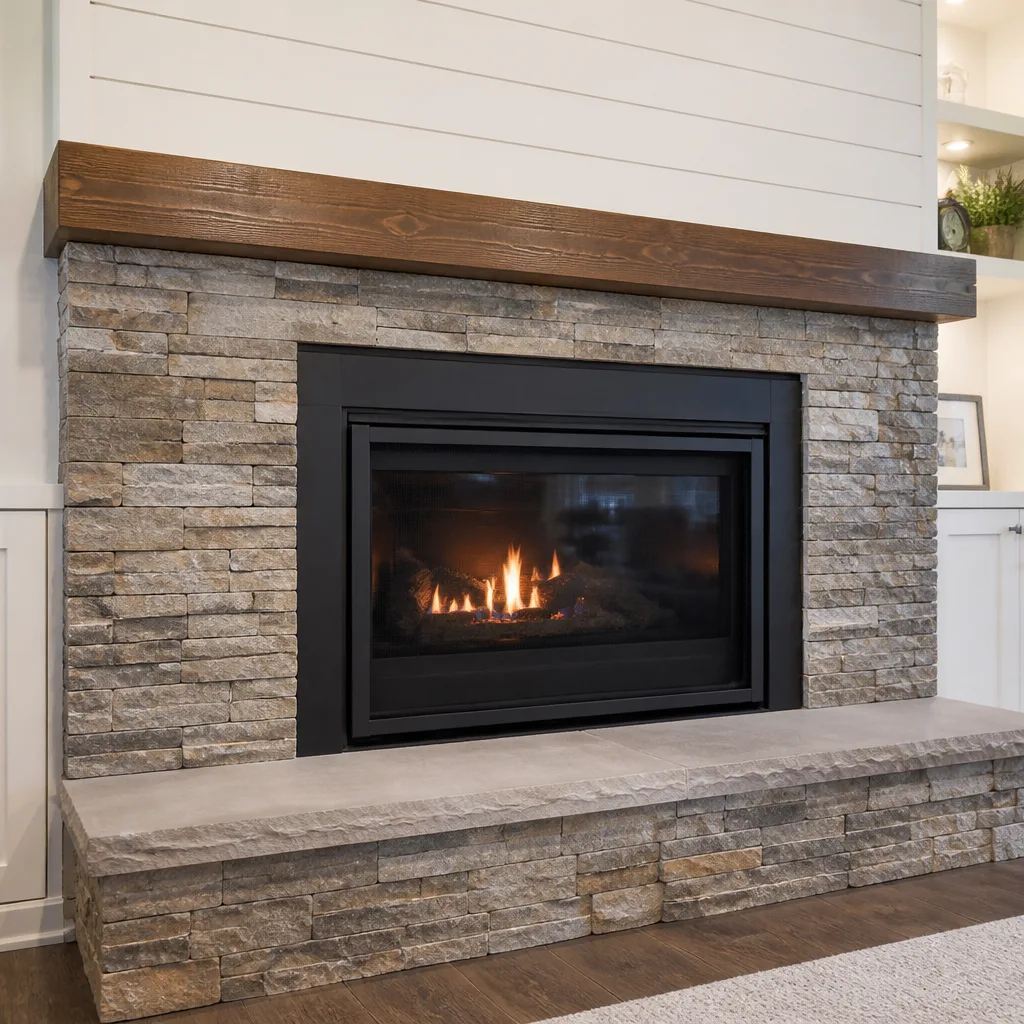 Gas fireplace service
Level 1 sweep and inspection to the NFPA 211 annual standard - flue, crown, cap, and flashing checked and photographed
Chimney sweep logs do not sweep chimneys. They loosen some creosote - which then falls where a brush and vacuum still have to collect it.
The Complete Guide to Chimney Cleaning in Commerce City
Most chimney fires don’t start because someone skipped cleaning. They start because cleaning happened without inspection, and nobody caught the crack, the gap, or the blocked cap that turned an ordinary creosote deposit into a flue fire. That distinction changes how you should think about this work. A brush down the flue removes what’s in the pipe; it doesn’t tell you what the pipe looks like. In this guide, we walk the full sequence a proper chimney cleaning in Commerce City involves, from the flue down to the firebox and out to the cap and crown, and we explain what a thorough job should turn up at each stop. You’ll finish knowing what to ask, what to check, and what a written report should show you.
Quick Answer
Chimney cleaning in Commerce City is a diagnostic process, not a single chore: a technician sweeps the flue, inspects the full system from firebox to crown, identifies creosote stage and any damage, and documents it in a written report. A cleaning without inspection can miss cracks, blockages, or cap damage that put the home at risk. Clean and inspect together, and you have a maintenance baseline you can compare against year after year.
Styles & brands we work with
- Sweep & inspection
- Caps & crowns
- Flue relining
- Masonry repair
- Gas fireplace service
Table of Contents
- Why Chimney Cleaning in Commerce City Demands More Than a Brush
- The Three NFPA 211 Inspection Levels and Which One Fits
- What a Full-System Cleaning Actually Touches
- Creosote Stages 1, 2, and 3 and Why Stage 3 Changes Everything
- How a Chimney Cleaning Goes, Step by Step
- What a Written Cleaning Report Should Document
- Signs Your Chimney Is Telling You Something
Why Chimney Cleaning in Commerce City Demands More Than a Brush
Commerce City sits on the eastern edge of the Front Range, and that geography shapes how a chimney ages. Wind moving across the plains hits the foothills and gets pushed around, which produces gusty stretches that test a cap and crown more than a homeowner living on flat, sheltered ground might expect. Loose debris, leaf matter, seed fluff, and grit ride those gusts, and it collects on the cap screen, around the crown, and on top of any open flue. When a cap screen clogs, draft weakens and smoke can roll back into the room.
There’s a seasonal layer on top of that. Colorado’s swing weather means a fire can burn in the morning and sit idle by afternoon, which contributes to the kind of smoldering burn that builds creosote faster than a hot, steady fire. The cold snaps along the I-270 corridor and out toward Reunion and the neighborhoods near Dick’s Sporting Goods Park push a fireplace harder, then leave it idle on warm days between. That on-and-off cycle is tough on a flue.
In our experience, Commerce City homes benefit from an annual cleaning and inspection rather than a “clean when I remember” approach. The Front Range wind, the freeze-thaw on top of the crown, and the stop-start burn pattern all mean the pipe accumulates faster than the national default suggests. A clean flue is a safe flue, and the best way to keep one clean is to inspect it before the next heating season, not after the first smoke problem.
That’s the whole-system reason to work with a company like Commerce City Chimney Sweep, which handles the sweep, the inspection, and the repairs in a single visit rather than handing you off to a separate contractor for anything beyond the brush.
The Three NFPA 211 Inspection Levels and Which One Fits
The National Fire Protection Association sets out three levels of chimney inspection under its 211 standard, and knowing which one applies to your situation is one of the most useful pieces of information in this guide. Every cleaning should include at least a Level 1, and the level goes up when the circumstances call for it.
- Level 1 – the routine check. A visual examination of the readily accessible portions of the chimney, including the firebox, damper, flue, and the cap and crown from the ground or roof. This is the standard inspection that goes with an annual cleaning when your setup hasn’t changed and you’ve had no problems.
- Level 2 – after a change or an incident. More thorough, and it reaches areas a Level 1 doesn’t, often with a camera to look inside the flue. A Level 2 applies when you’ve changed the appliance, changed the fuel type, had a chimney fire, replaced the liner, or bought the home since the last inspection.
- Level 3 – the diagnostic deep dive. Reserved for a suspected hidden problem that requires opening up part of the chimney or structure to examine it. You’ll typically reach this level only when a Level 1 or Level 2 has flagged something specific.
After a hard Colorado winter, a Level 2 is often the right call even without a known problem. Freeze-thaw cycles along the crown and the joint work inside the flue can open hairline cracks you can’t see from the firebox, and a camera check catches them before they let carbon monoxide or heat escape through the masonry. Which level you need is something the technician should explain before the work begins, so you aren’t paying for a deep inspection you don’t need or skipping one you do.
If you’ve noticed a warning sign, a warmer next step is to book a chimney sweep and ask for the inspection level in writing.
What a Full-System Cleaning Actually Touches
A single brush down the flue is the mental picture most people have of chimney cleaning. A thorough job looks at six parts of the system, and each one matters to safety and performance. Here’s the full path from the top down:
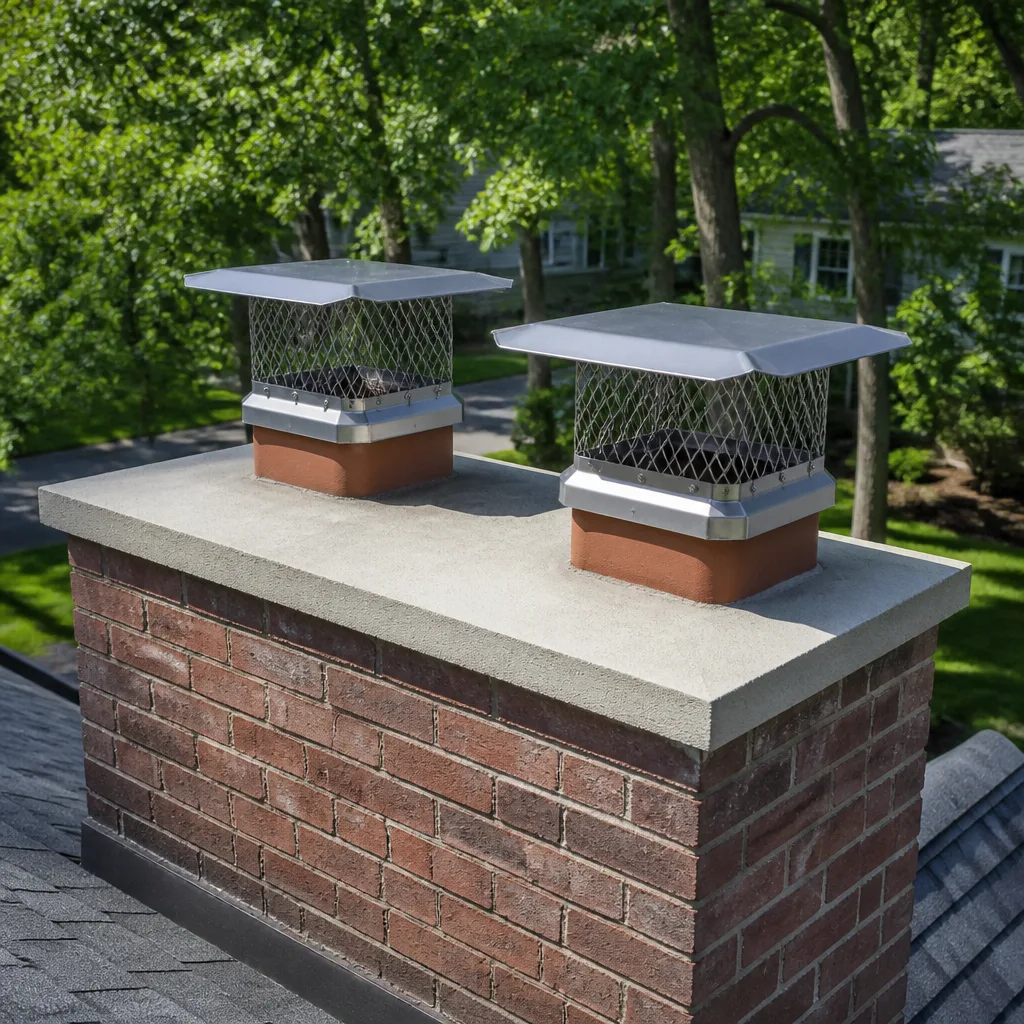
- The cap and crown. The cap keeps rain, snow, birds, and debris out; the crown is the sloped masonry or concrete at the top that sheds water away from the flue. A cracked crown or a loose cap lets water into the structure, and water damage is one of the quiet causes of repair work later. We handle both as part of cap and crown service, often with Copperfield and Gelco components chosen for the job.
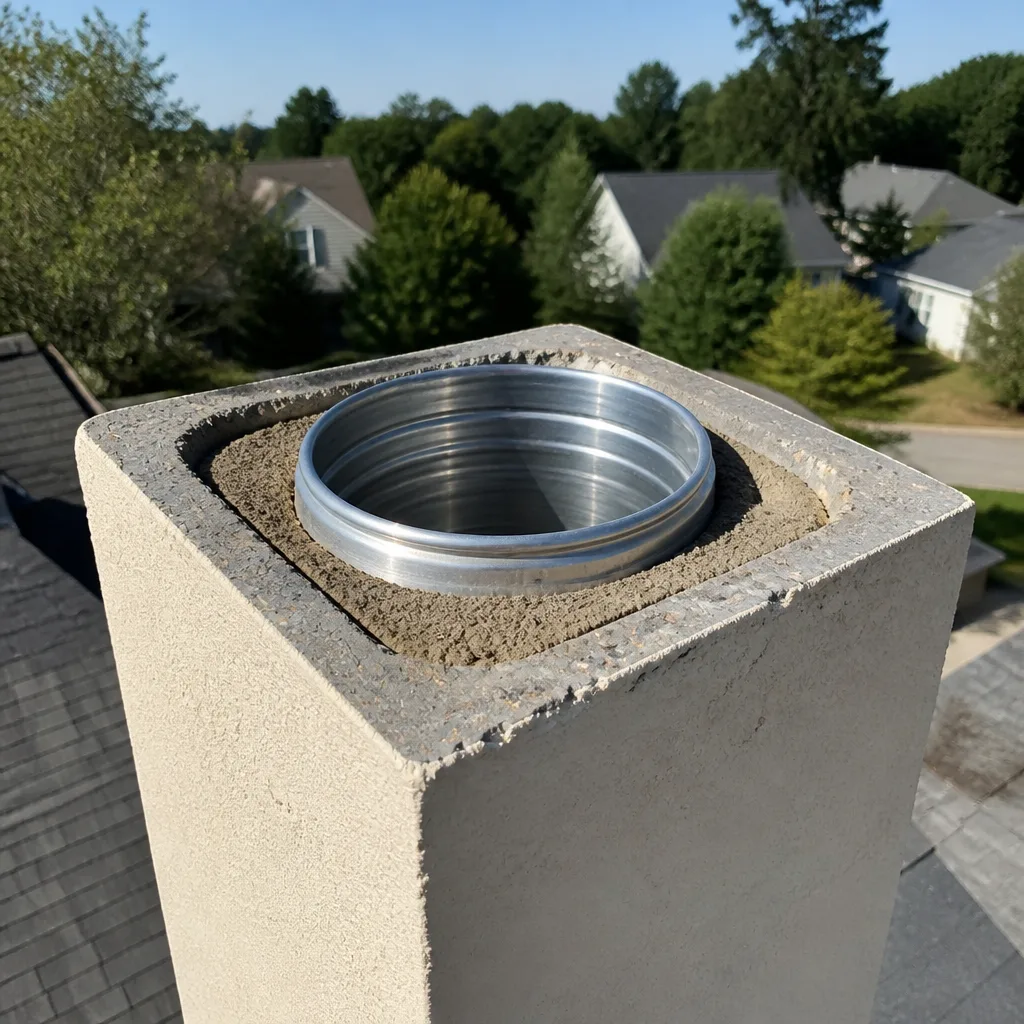
- The flue liner. The liner carries smoke and gases up and out. A cracked or missing liner is a code and safety issue, not a cosmetic one. When a liner has to come out, systems like DuraFlex get installed to restore compliance.
- The smoke chamber. The sloping section between the firebox and the flue where smoke gathers before it rises. This area collects creosote and is hard to reach, so it’s one a brush-only job often skips. HeatShield is the product we use when a smoke chamber or firebox needs resurfacing rather than demolition.
- The damper. The door that opens to let smoke out and closes when the fireplace is idle. A stuck damper or one that won’t seal lets heat and air escape, which wastes fuel and can weaken draft.
- The firebox. The walls and floor where the fire burns. Cracks and crumbling mortar here should be repaired before another burn season, and HeatShield-familiar technicians can restore the firebox without tearing it out.
- The flue itself. The vertical channel where the creosote collects and where the sweep does most of the brushing.
One call should cover every one of these. That’s what “from the firebox to the crown” means in practical terms. If you need structural work on the firebox or the surrounding masonry, fireplace repair is the service line that handles it, and it belongs in the same visit as the sweep so nothing is left half-checked.
Creosote Stages 1, 2, and 3 and Why Stage 3 Changes Everything
Creosote is the byproduct of burning wood, and it builds in stages. What stage is present in your flue is one of the most important findings a cleaning will turn up, because each stage means a different job.
Stage 1 is light, sooty, and flaky. It brushes away with routine sweeping and is the normal deposit a well-managed fireplace produces. Stage 2 is denser, sometimes crusty or glazed in patches, and takes more work to remove, though it usually comes loose with the right tools. Stage 3 is the hard, glazed, tar-like deposit that bonds to the flue walls. It doesn’t brush off. Removing it takes chemical treatment or mechanical means, and a heavy stage 3 deposit can signal that the liner itself is compromised.
Why does stage 3 matter so much? Because glazed creosote is the fuel that turns a small ignition into a very hot flue fire. When a chimney fire gets going, temperatures in the flue can climb into the extreme range and crack the liner or the masonry. A cleaning that identifies stage 3 lets you treat it before that happens. A cleaning that brushes the loose soot and leaves the glazed layer qualifies as a missed finding, not a completed job.
In Commerce City’s swing weather, with fires that run hot and then idle, stage 2 buildup is common and stage 3 is not unusual in older flues that have gone more than a season without attention. If a technician tells you the flue has glazed creosote, ask what treatment plan and what timeframe they recommend. If a liner has to be replaced to bring the system into compliance, that’s an installation job, and it’s why liner systems like DuraFlex belong in the service scope rather than a referral.
How a Chimney Cleaning Goes, Step by Step
A thorough cleaning follows a predictable sequence. Here’s the order we work in, so you know what to expect when a technician arrives.
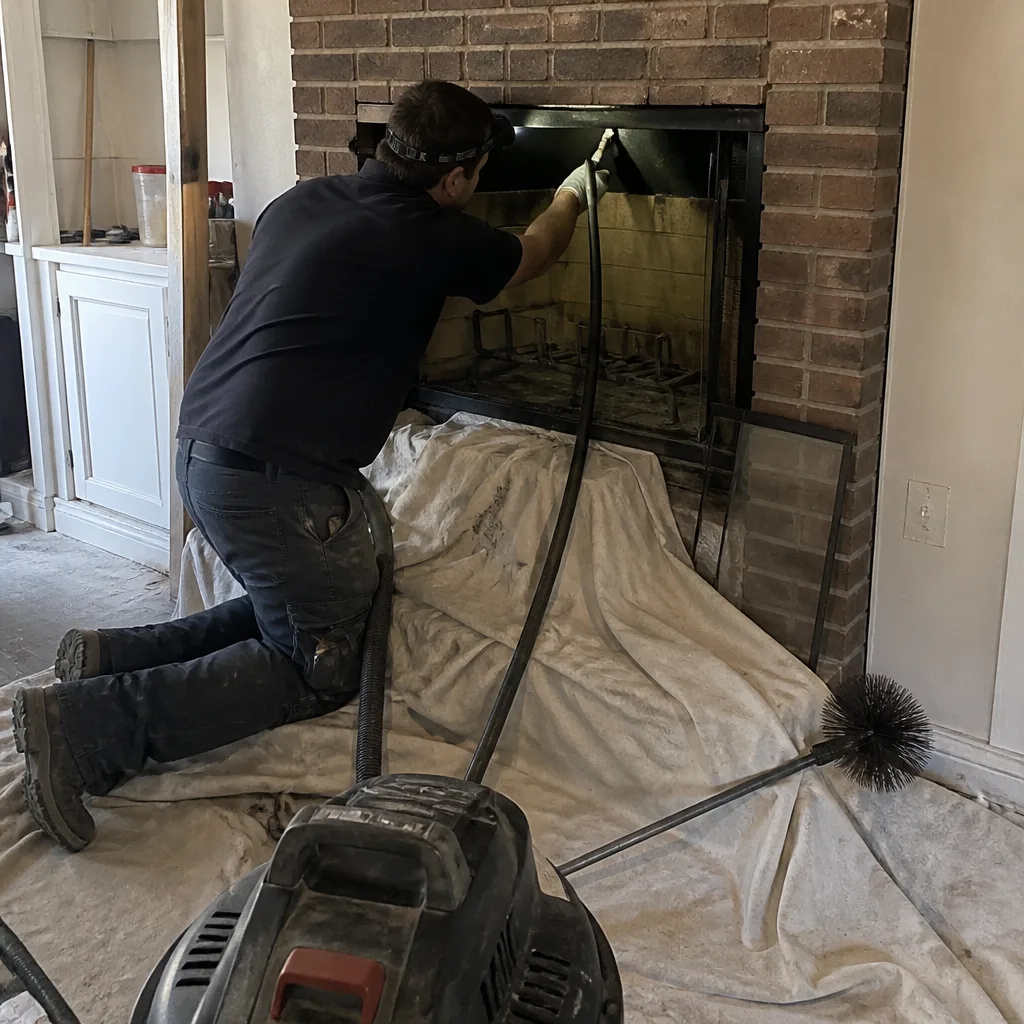
- Conversation and setup. The technician asks about your appliance, the fuel you burn, any signs you’ve noticed, and when the chimney was last checked. Floor protection goes down before any brushwork begins.
- Visual inspection first. Before cleaning, the technician examines the firebox, damper, and flue opening for cracks, gaps, and previous damage, and checks the cap and crown. Finding problems before brushing keeps a cracked liner from being pushed further.
- Sweeping the flue. The flue is brushed from the top or the firebox depending on the setup, with a drop cloth or containment to control soot. This is where the creosote stage gets identified.
- The smoke chamber and firebox. The harder-to-reach sections are cleaned, and any deterioration here is noted.
- Damper check. The damper is tested open and closed to make sure it operates and seals.
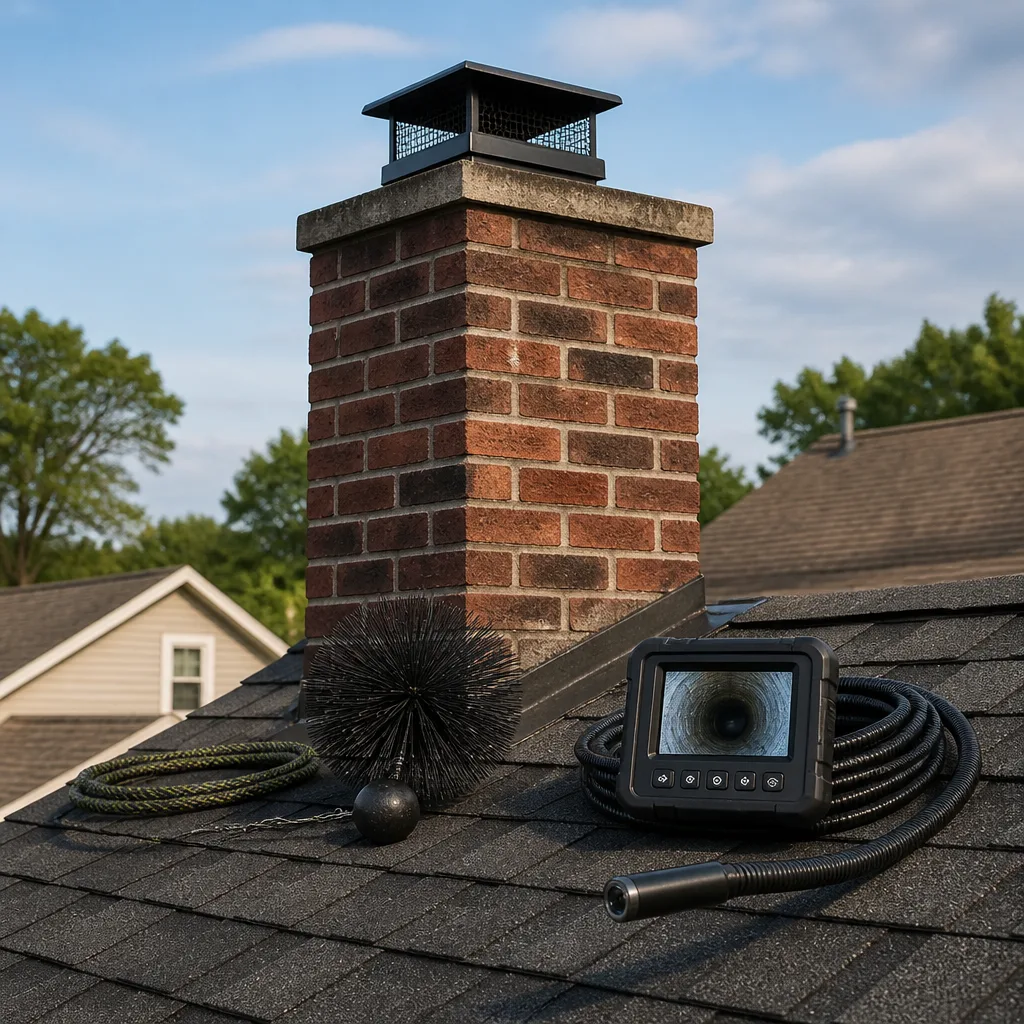
- Top-of-system inspection. The technician checks the cap and crown for cracks, loose fasteners, and blockages from wind-carried debris or animals, which is a common finding on Front Range roofs.
- Draft check and written report. A draft test confirms the system pulls correctly, and the findings are documented. Any recommended repair is explained and priced in writing before any work is booked.
That sequence is what “inspection-first” means. We find the problem before it finds you. If the visit turns up nothing more than routine soot, you get a clean flue and a clear report, and that’s the outcome most Commerce City homes should hope for.
What a Written Cleaning Report Should Document
A written report is the piece most cleaning services leave out, and it’s the one that pays off over time. A cleaning without a report leaves you with no baseline, so next year’s technician has no record of what the flue looked like this year. Here’s what a useful report should include:
- The date of the inspection and the level performed (Level 1, 2, or 3), with the reason the level was chosen.
- The creosote stage found in the flue, described by stage rather than a vague note.
- The condition of the liner, smoke chamber, damper, firebox, cap, and crown, each noted separately.
- Any photographs or camera footage from a Level 2 or higher inspection, so you can see what the technician saw.
- Recommendations split into “needs attention now” and “monitor for next season,” which tells you plainly what can wait.
- What work was actually performed during the visit and any next steps in writing.
Keep these reports. Over a few years they show you whether the creosote is building at a steady rate, whether the crown is aging, or whether a repair from last season is holding. When you eventually sell the home, a history of clean inspections is also a selling point for a buyer with a fireplace. If a report recommends a repair, it’s worth asking whether the work can safely wait until after the current season and whether the recommendation comes with camera evidence you can review yourself. Nothing should be recommended without evidence behind it.
For larger structural findings, chimney repair is the service line that follows the report, with the same team handling the repair rather than handing you to a separate contractor.
Signs Your Chimney Is Telling You Something
A chimney rarely fails silently without a warning. The trouble is that the warning is easy to shrug off as “normal fireplace behavior.” These are the signs that should prompt a call rather than a wait-and-see:
- Smoke rolling back into the room. Some smoke from a cold start is normal, but a fire that keeps rolling smoke back points to a draft problem, often from a clogged cap or a partially blocked flue.
- A strong, acrid odor from the fireplace between burns. That’s often creosote off-gassing in a flue that hasn’t been cleaned in a while.
- Visible cracks in the firebox or the smoke chamber. Cracks let heat and gases reach materials not meant to handle them and should be repaired before another burn season.
- A loose or cracked cap or crown. Water getting into the top of the chimney is one of the slow causes of major repair, and it’s often visible from the ground.
- An animal nesting or debris visible on top. Front Range wind and birds both find an open flue, and a blockage is a real safety issue.
- A dirty, sooty smell or a smokier-than-usual fire. Both can signal that the flue is overdue.
If any of these are familiar, don’t burn again until the system has been checked. A small finding caught early is a cheap repair; a small finding ignored is a bigger one.
Common Mistakes to Avoid
- Treating cleaning and inspection as the same thing. A brush sweep removes soot but tells you nothing about the condition of the liner. Insist on both in the same visit.
- Skipping the top of the system. In Commerce City, the wind-carried debris and the freeze-thaw on the crown are the most common sources of a mid-season problem, so the cap and crown deserve as much attention as the flue.
- Burning unseasoned wood to save money. Wet or green wood produces more creosote and undoes the benefit of a recent cleaning.
- Ignoring a chimney fire that went out on its own. Even a brief fire can crack a liner, and the damage is invisible from the firebox. That’s a Level 2 inspection, not a “we’ll clean it later.”
- Hiring a sweep who leaves no written report. Without a baseline you can’t tell whether you’re making progress or falling behind.
- Letting a company subcontract the repairs. When a cleaning turns up a liner problem, you want the same team to install the DuraFlex or HeatShield fix rather than sending you elsewhere.
- Putting off a level 3 finding. If an inspection recommends opening up part of the structure to diagnose a hidden problem, that recommendation means a real concern, not an upsell.
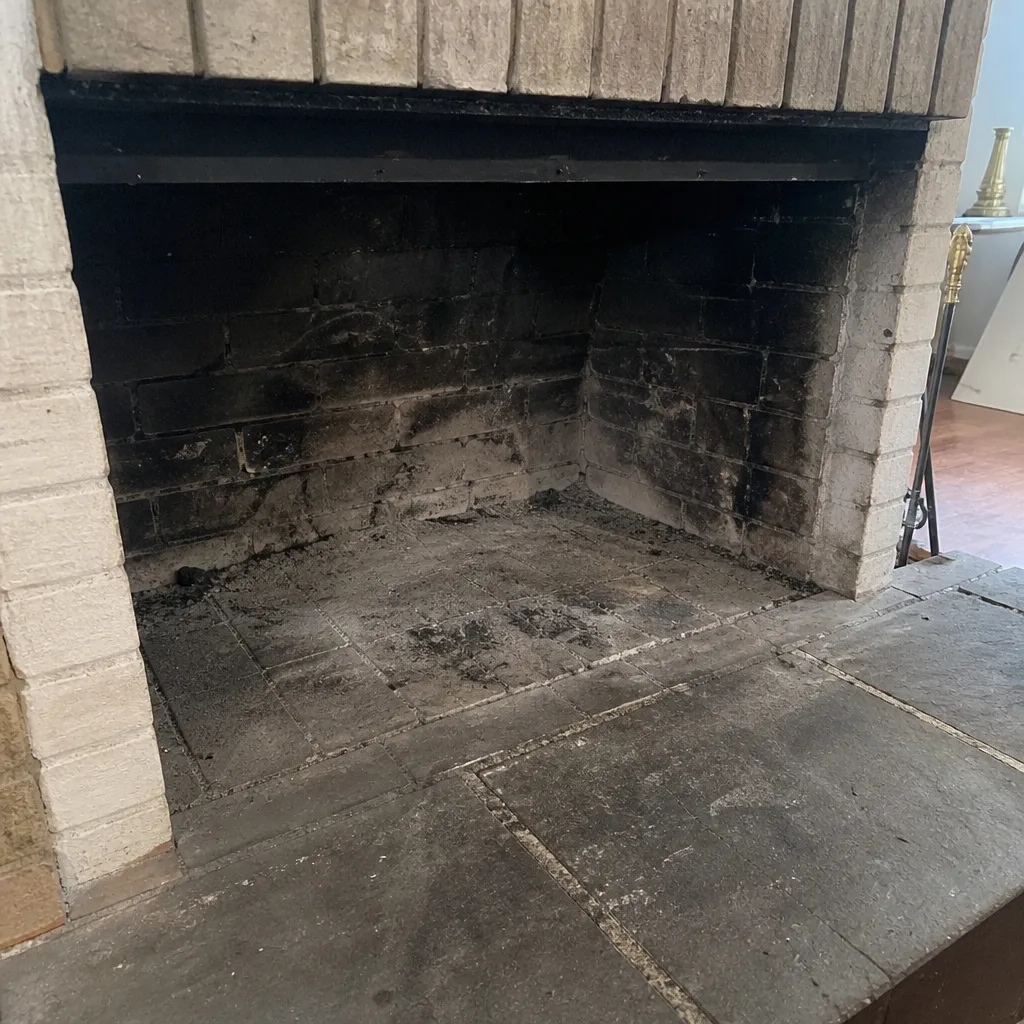
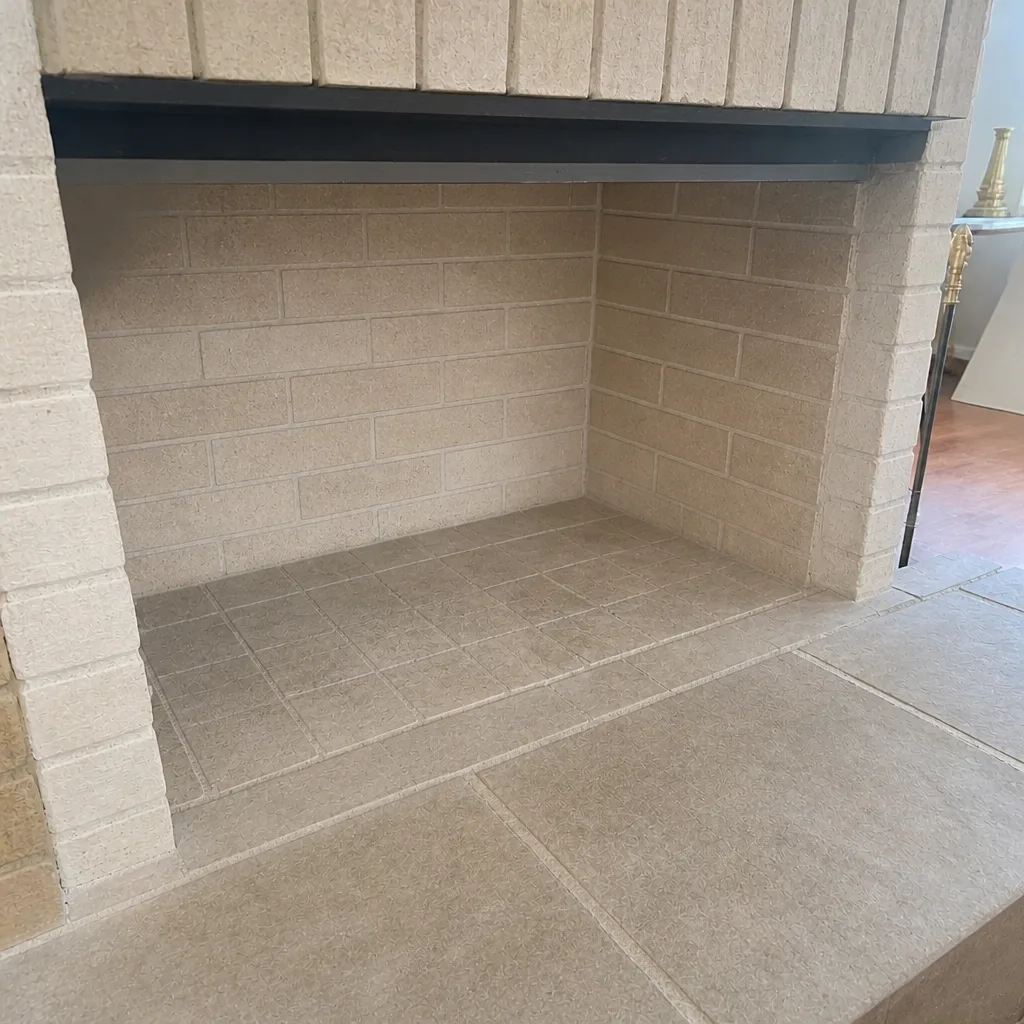
See the difference
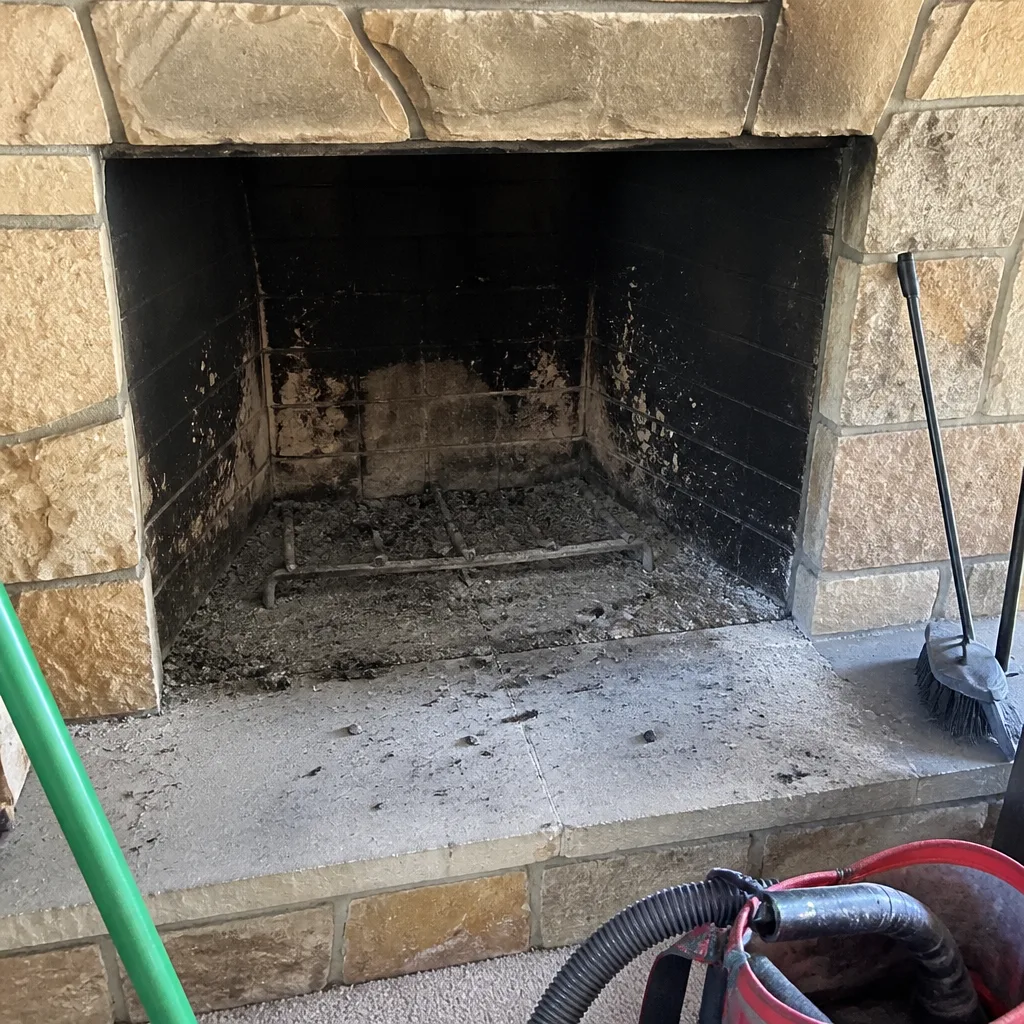 Before
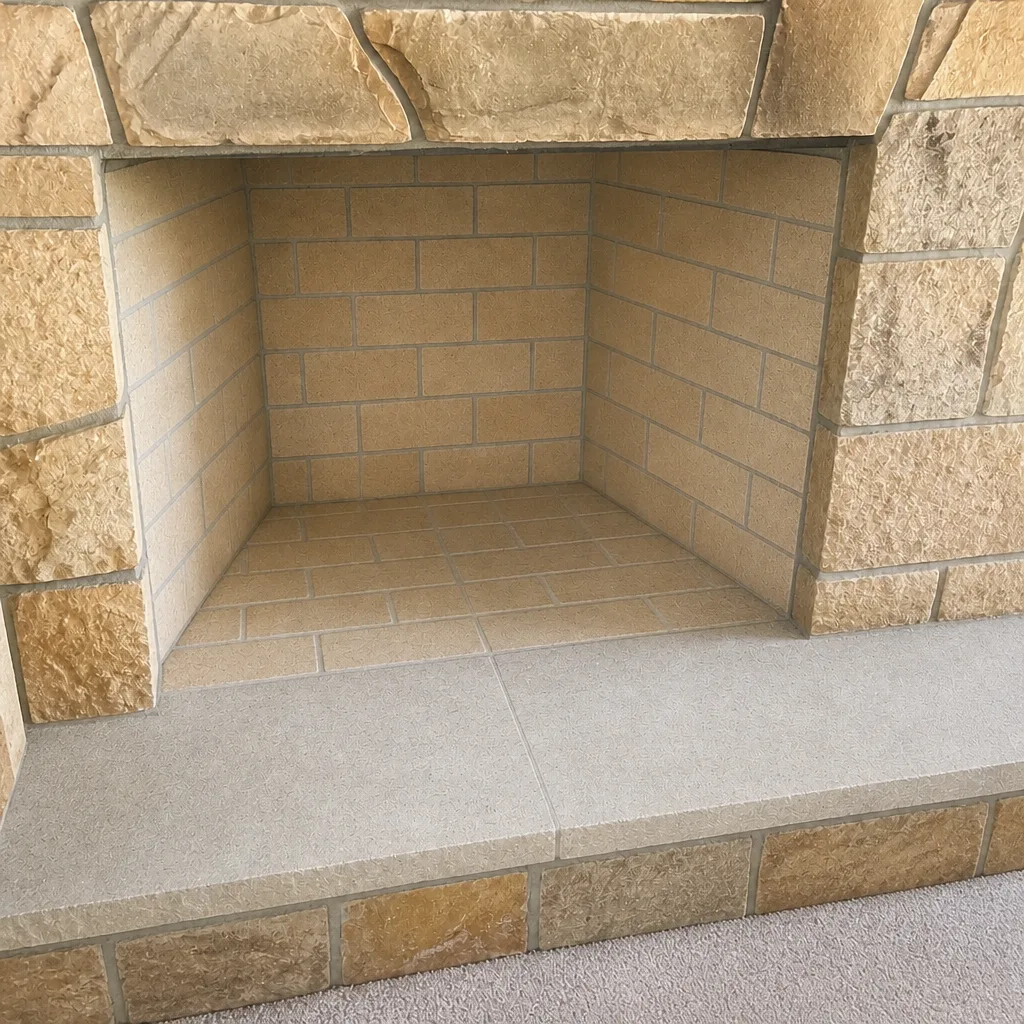 After
 Before
 After
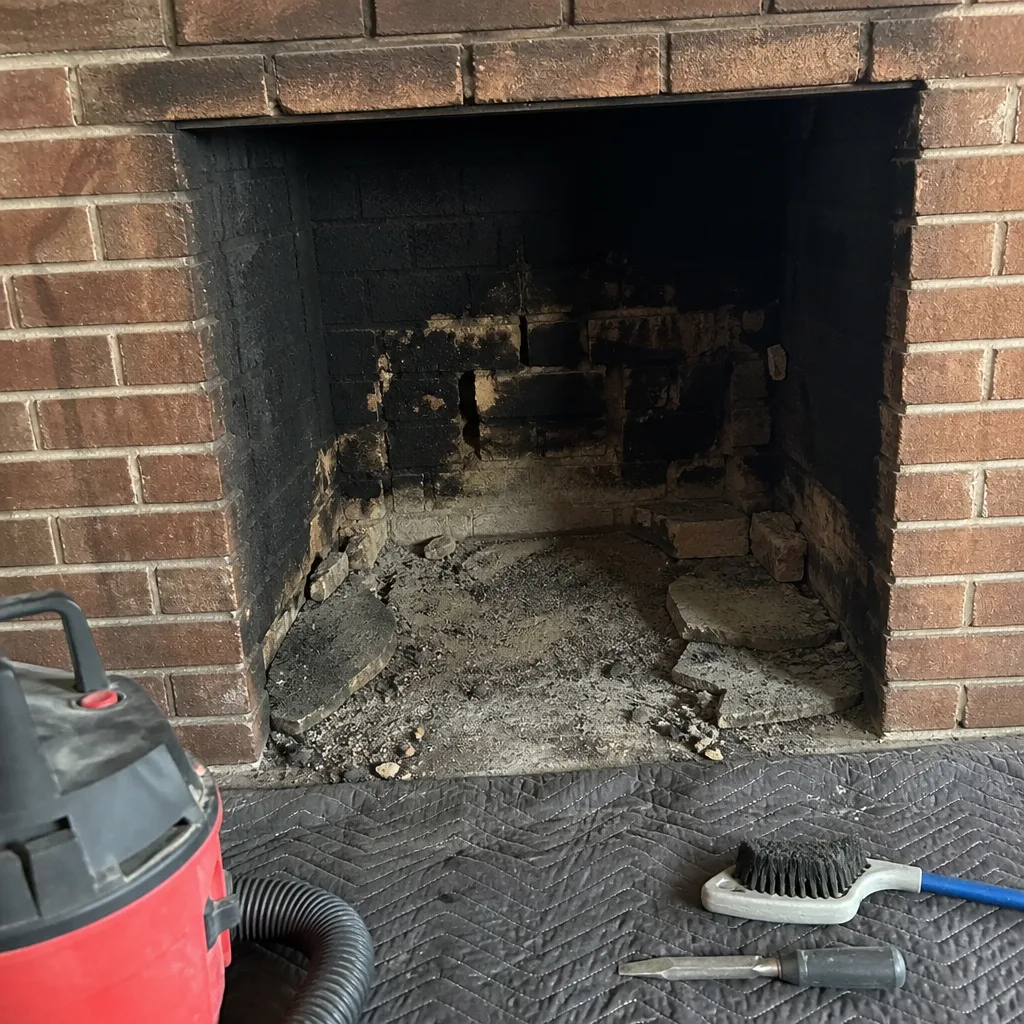 Before
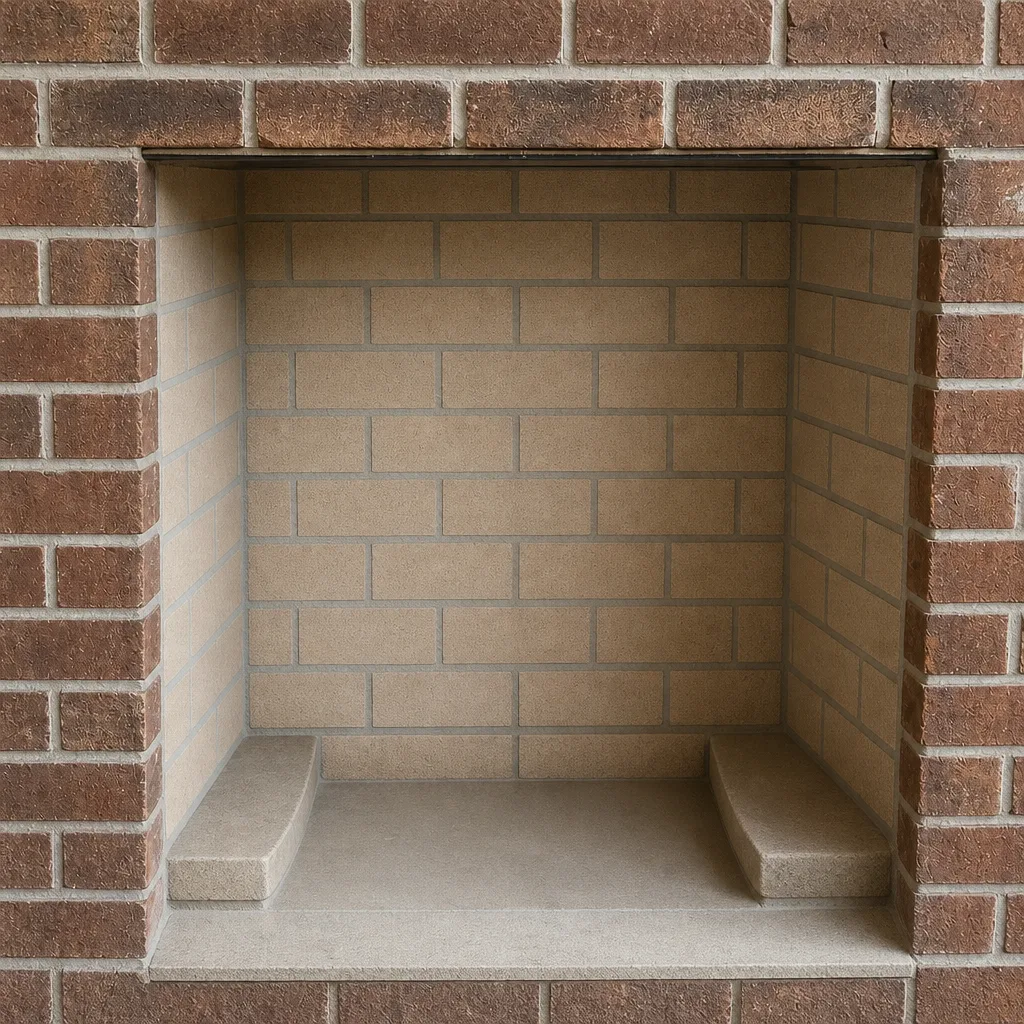 After
When to Call a Professional
Some jobs are for a professional team the moment you notice them. If you smell a strong odor, see smoke rolling back, spot a crack in the firebox or smoke chamber, notice a damaged cap or crown, or suspect an animal or debris blockage, stop burning and get the system checked. Any of these is a sign the chimney may already be compromised, and a wire brush in the wrong hands won’t tell you whether the liner is sound. If you’ve had a chimney fire, even a small one, that calls for a Level 2 inspection before another fire. And if it’s been more than a season since the last cleaning, the right move is to book a sweep and an inspection together. Commerce City Chimney Sweep offers free estimates in Commerce City, call (855) 619-0680. We answer 24/7, with fast dispatch from 7am to 7pm, Sunday through Friday. Our technicians have up to 12 years of experience, and the work runs across the sweep, the inspection, and the repair in a single scope.
One more note on codes: most cities require a permit for structural chimney work, so if the report recommends something beyond a cleaning, ask your city’s building department whether a permit applies. We’ll tell you plainly what’s needed and what can safely wait.
Frequently Asked Questions
Once a year for most homes with an active fireplace, plus a check at the end of the season if you burn frequently. Commerce City’s Front Range wind, which drives debris onto the cap, and the swing weather that produces smoldering burns mean the flue can accumulate creosote faster than the national default suggests. If you burn wood regularly through winter, an annual sweep and inspection is the baseline. Call (855) 619-0680 to book one, estimates are free.
A liner replacement is a real repair, not an upsell, when the liner is cracked, missing, or not code-compliant, but it should never be recommended without evidence you can see. Ask the technician to show you the camera footage or photos of the crack before any work is booked. If the liner is sound, cleaning is enough. When a liner does need replacing, systems like DuraFlex are installed to bring the flue back into compliance, and the same team handles it. Call (855) 619-0680 for an exact quote, estimates are free.
The deposit in the flue keeps growing, and glazed creosote in particular is the fuel that turns a small ignition into a hot flue fire. Skipping a cleaning also means nobody is inspecting the liner, so a crack or a blockage goes unnoticed, and either one can let carbon monoxide or heat reach places in the structure it shouldn’t. The risk goes up the longer it’s left.
A cleaning removes soot and creosote from the flue, smoke chamber, and firebox. An inspection diagnoses the condition of the whole system, from firebox and liner to cap and crown, at a level (1, 2, or 3) matched to your situation. We treat the two as one process because a cleaning without an inspection can miss the very problems that cause chimney fires. Call (855) 619-0680 and we’ll explain which level you need.
We handle both as part of cap and crown service, using professional-grade components from brands like Copperfield and Gelco. That matters because a cap or crown problem is one of the quiet causes of water intrusion and structure damage, and it’s often caught during the top-of-system portion of a cleaning. One call covers the sweep, the repair, and the component. Call (855) 619-0680 for a free estimate.
A routine cleaning with a Level 1 inspection usually takes a couple of hours depending on how much creosote has built up and whether roof access is needed. You’ll know it was thorough by what you receive at the end: a written report documenting creosote stage, the condition of each part of the system, and any findings with photos. If a technician rushes out without a report, the job isn’t finished.
The Bottom Line
Chimney cleaning in Commerce City is a diagnostic process, and the homes that avoid expensive surprises are the ones that treat it that way. Sweep the flue, inspect the full system from firebox to crown, identify the creosote stage, check the cap and crown, and document it all in a written report. Match the inspection level to your situation, especially after a hard Colorado winter or a chimney fire. Handle repairs in the same scope, whether that means a HeatShield restoration or a DuraFlex liner install, so nothing gets left to a separate contractor. Ask for evidence before any repair, and keep your reports as a baseline for future seasons. That’s how a clean flue stays a safe flue.
Call (855) 619-0680 for a free estimate. We answer 24/7, with fast dispatch from 7am to 7pm, Sunday through Friday. One call covers the sweep, the inspection, and the repair, all under one roof.
Written by the team at Commerce City Chimney Sweep.