
Last updated November 23, 2026
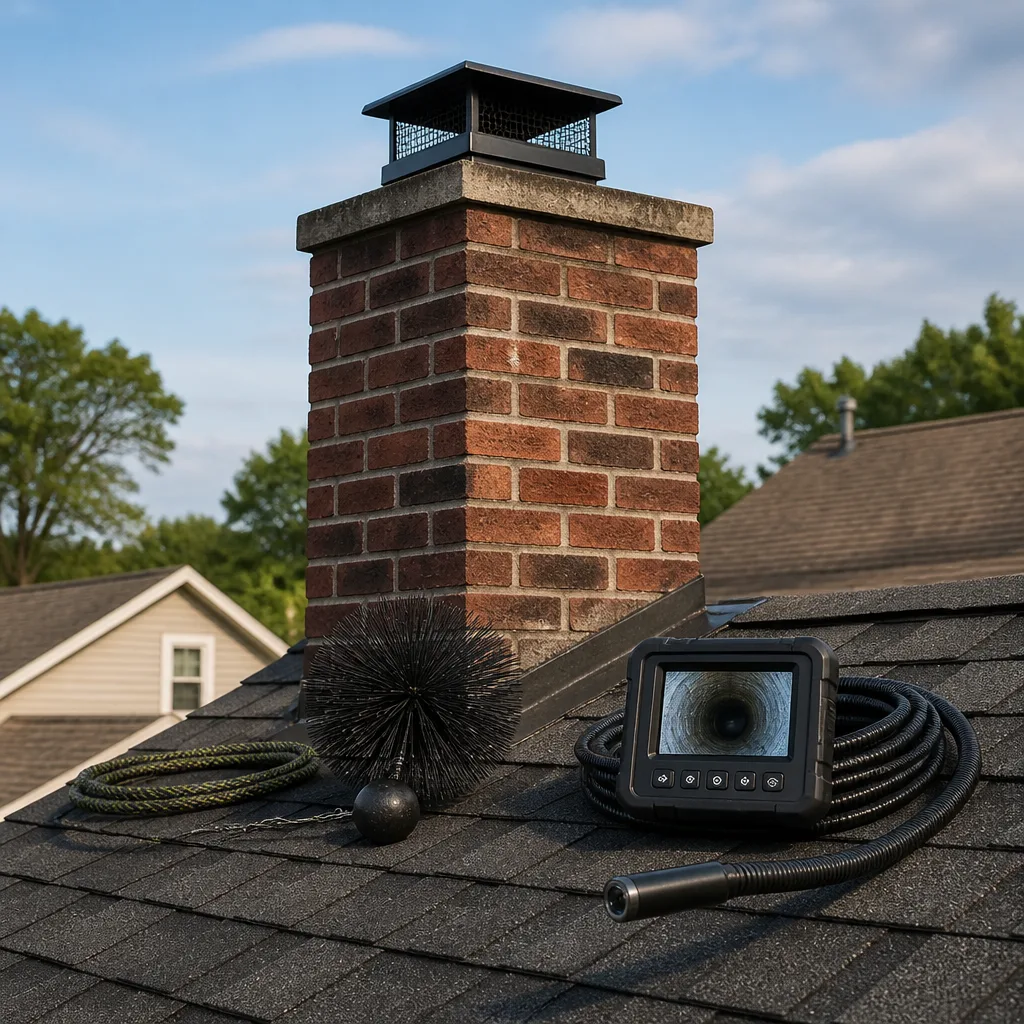 Sweep & inspection
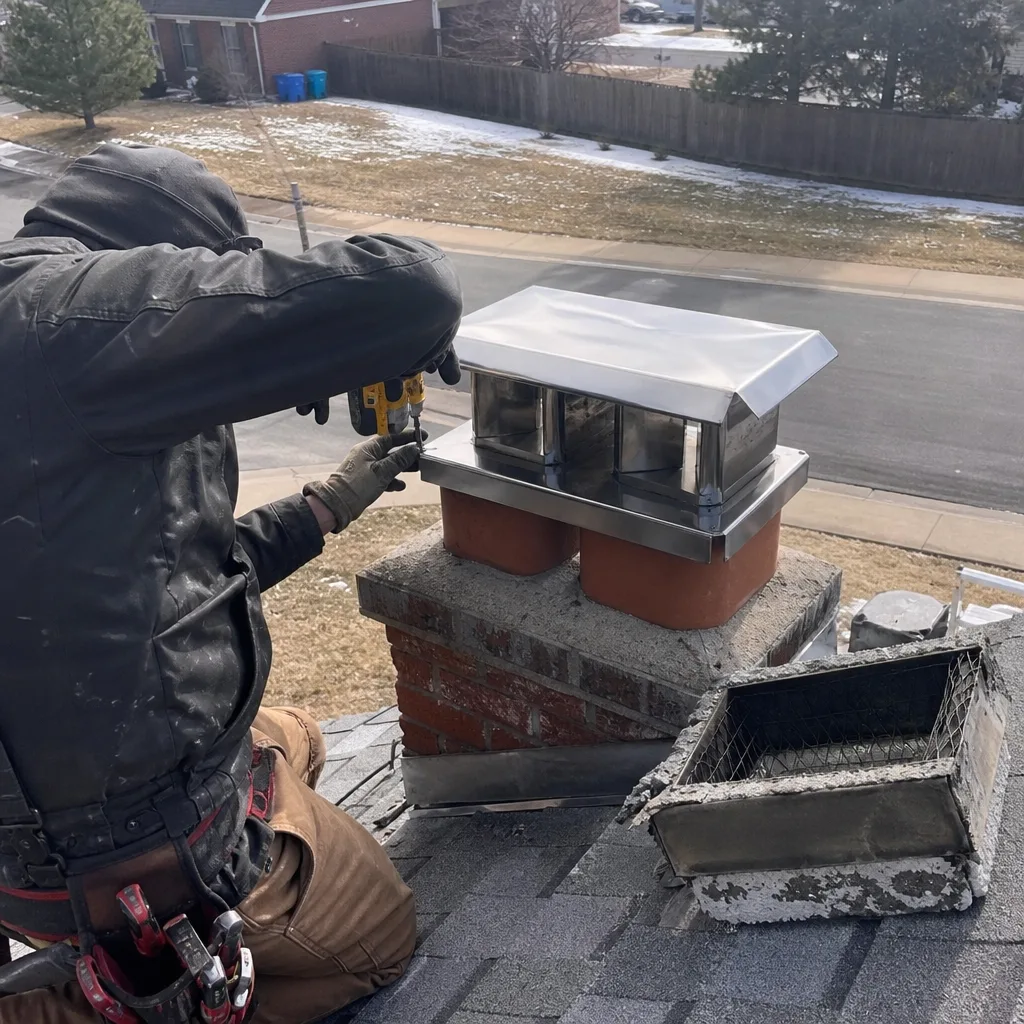
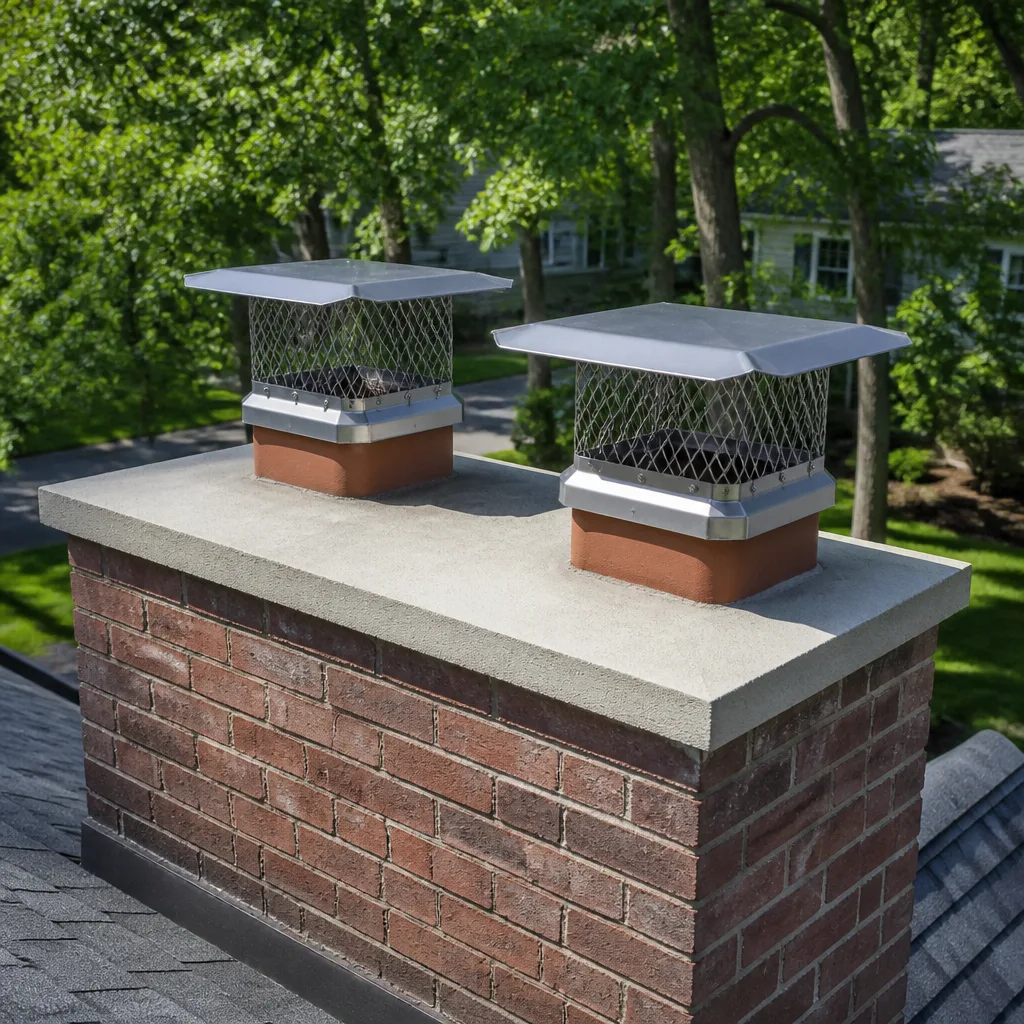 Caps & crowns
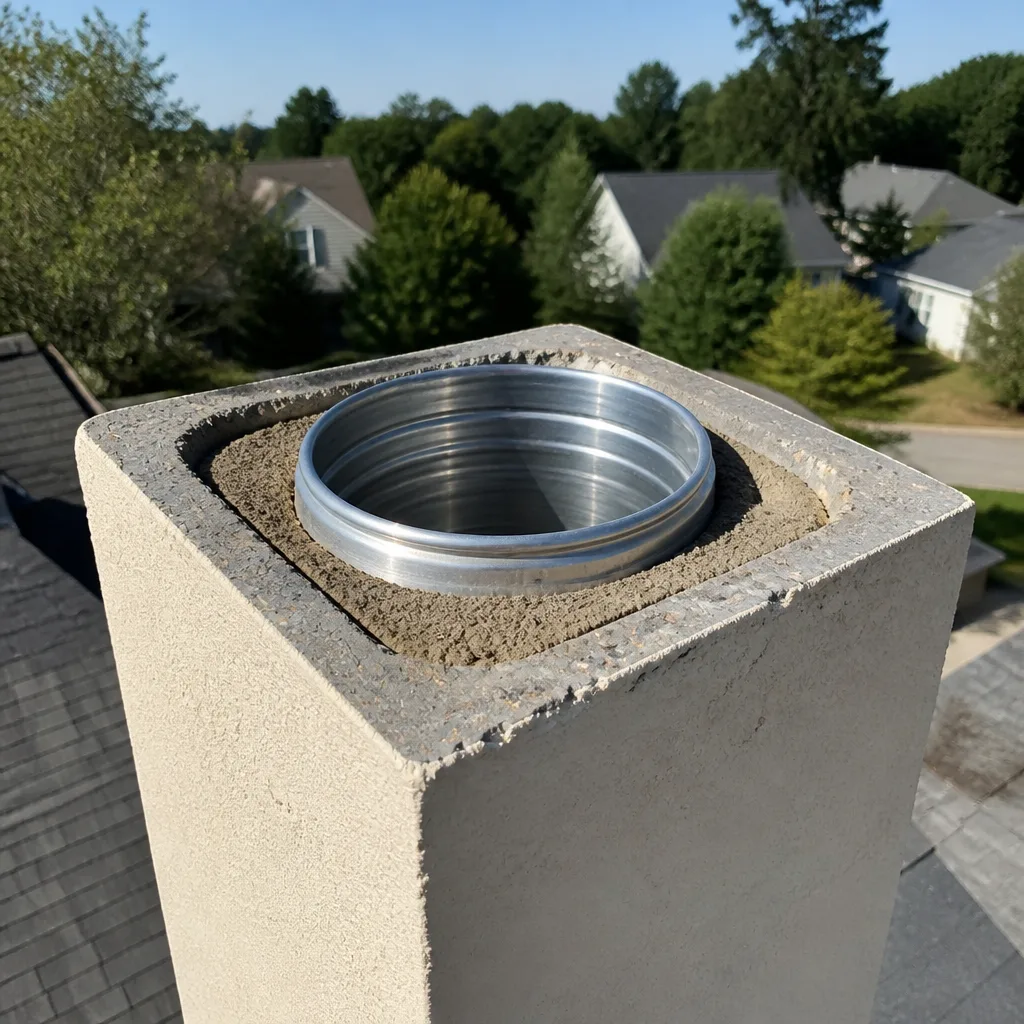 Flue relining
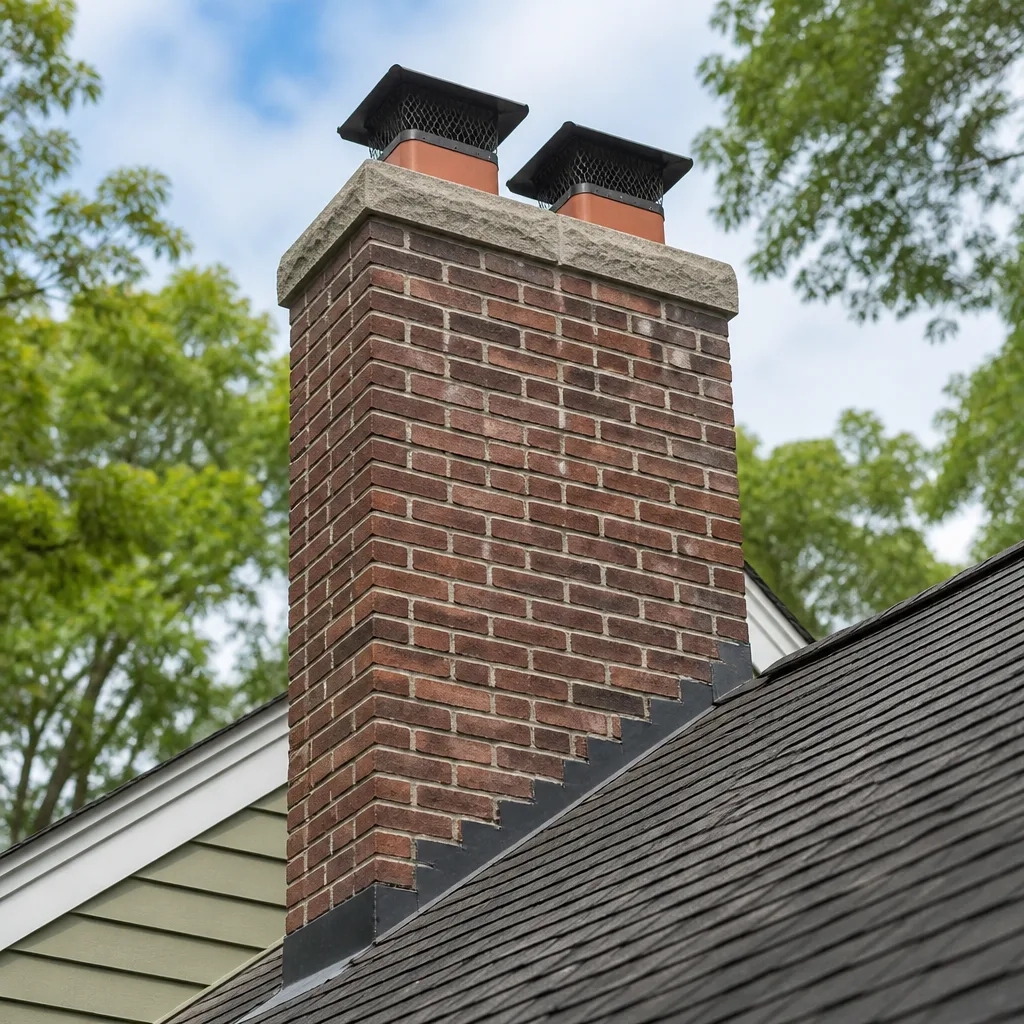 Masonry repair
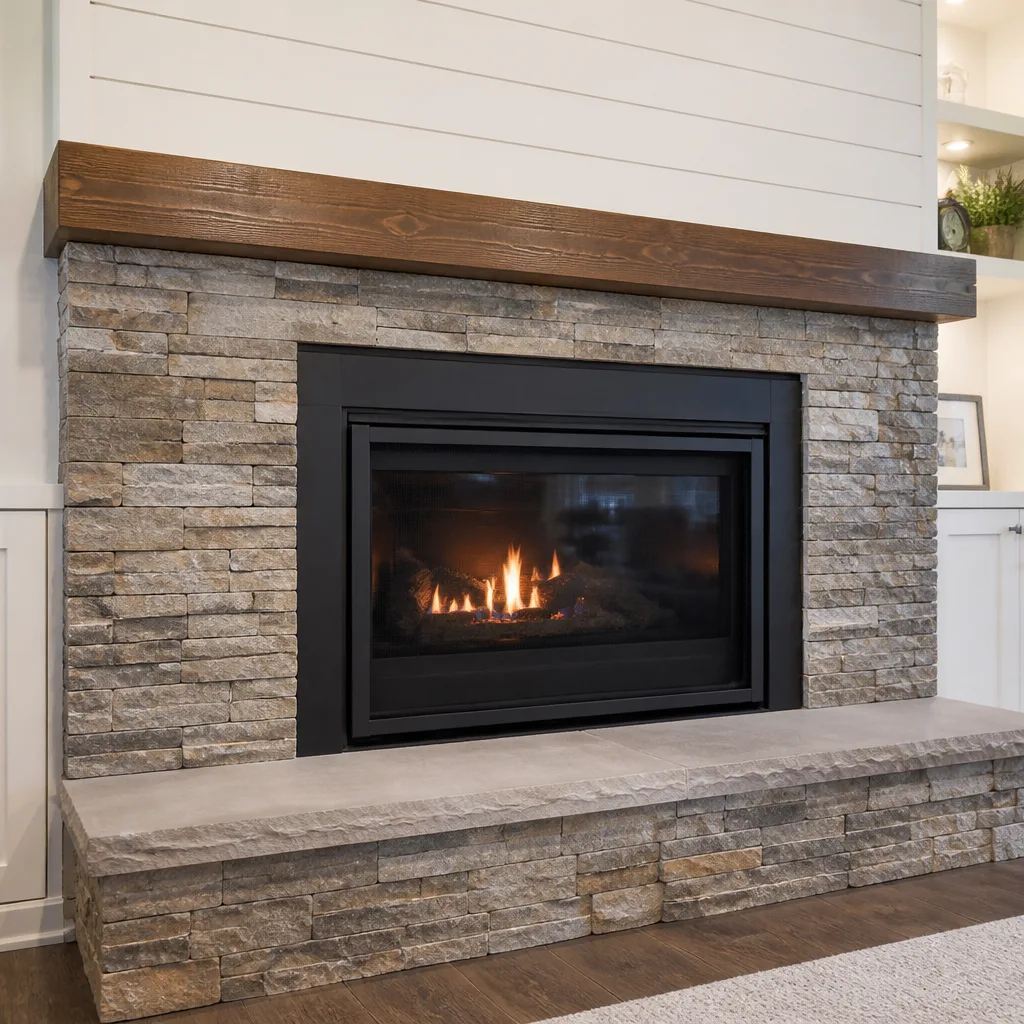 Gas fireplace service
Level 1 sweep and inspection to the NFPA 211 annual standard - flue, crown, cap, and flashing checked and photographed
Chimney sweep logs do not sweep chimneys. They loosen some creosote - which then falls where a brush and vacuum still have to collect it.
How to Hire a Chimney Cleaning Contractor in Commerce City: A Step-by-Step Guide
Chimney sweeping is one of the few home services where the cheapest quote is often the most expensive one over time. Not because every low bid comes with an upsell, but because an uncertified crew cleaning without a camera can walk right past the conditions that turn a modest cleaning into a liner replacement. Hiring in Commerce City is a credentialing problem before it’s a price comparison. The market here includes unlicensed outfits with consumer-grade brushes and a clipboard. The only reliable way to separate them from qualified specialists is knowing what to ask before anyone climbs on your roof. This guide gives you the questions, the red flags, and the quote structure to tell the difference.
Quick Answer
Hire a chimney contractor in Commerce City by verifying CSIA or NFI credentials directly with the issuing organization, confirming the contractor owns a flue camera for inspection, requiring an itemized written estimate that separates inspection from cleaning from any identified repairs, and walking away from any door-to-door or “free inspection” pitch that leads straight to a liner quote. Credentials and equipment first. Price second. Always ask for written findings you can see for yourself.
Styles & brands we work with
- Sweep & inspection
- Caps & crowns
- Flue relining
- Masonry repair
- Gas fireplace service
Table of Contents
- Why credentials matter more than price in Commerce City
- Which certifications actually matter (and how to verify them)
- What equipment a real contractor owns
- Red flags specific to the Commerce City market
- What a legitimate service agreement includes
- How to read a quote structure
- The exact questions to ask before booking
- What to watch for on the day of the sweep
Why Credentials Matter More Than Price in Commerce City
Commerce City sits on the eastern edge of the Denver basin, where winters swing hard between dry cold snaps and wet, heavy snows. Chimneys here cycle through freeze-thaw conditions that stress masonry, crack crowns, and open joints. Wood-burning fireplaces in the older housing stock and gas inserts in the newer builds both need the same thing: a proper annual inspection by someone who knows what to look for. A brush and a shop vac don’t tell you whether the flue tile has spalled or whether creosote has glazed to a third-degree deposit. A camera does.
That’s why hiring here is a credentialing problem before a price comparison. Comed City’s chimney market is a mix of legitimate specialists and general handymen who add “chimney sweep” to a service list without buying the inspection equipment or carrying the right liability coverage. The price gap between the two can look like a bargain. It isn’t. The trained contractor charges more because the work involves climbing a roof, removing soot, checking a liner, and documenting what they found. The untrained one charges less because they do less. When you’re comparing quotes in Commerce City, you’re comparing two different jobs that happen to share a name.
There’s also a seasonal logic to timing. Chimneys here take their heaviest load from late fall through early spring, when the furnace runs and the fireplace gets used. The best time to book an inspection is before the first cold snap, not after the flue has been cycling for months. If you’re already hearing smoke rollback, smelling a draft, or seeing cracked mortar at the crown, you’re past the preventive stage and into diagnosis. Either way, the hiring process is the same: verify, then book, then review the findings before agreeing to any repair.
Which Certifications Actually Matter (and How to Verify Them)
Two credentials separate a trained chimney professional from a person with a ladder. The first is the CSIA Certified Chimney Sweep credential from the Chimney Safety Institute of America. The second is NFI certification from the National Fireplace Institute, which covers fireplace and venting installation and service. Both require testing, continuing education, and a code of conduct. Neither is a lifetime badge you can buy online. If a contractor claims certification, you can verify it directly with the issuing body before you book.
Here’s how to check, in order:
- Ask for the certification name and number. A real CSIA-certified sweep will give you the credential without hesitation.
- Look it up on the issuing organization’s website. Both CSIA and NFI maintain searchable directories. This takes two minutes and removes all doubt.
- Ask whether the credential is current. CSIA requires renewal and continuing education. An expired credential tells you the person stopped investing in the trade.
- Ask what the certification covers. A sweeping credential is not the same as a liner installation credential. If your job involves restoring a firebox or installing a new flue liner, ask what specific product training the contractor has.
- Confirm the crew, not just the company. Ask whether the person actually doing the work holds the credential, or whether a certified name on the website belongs to someone who won’t be at your house.
In Commerce City, we’ve seen homeowners handed a business card with a certification logo printed on it and no way to check whether the credential is real. A card is not a credential. The directory listing is. If a contractor resists giving you a number to verify, that’s your answer. Same with insurance: ask for a certificate of liability coverage and confirm it’s current before anyone sets foot on your roof.
What Equipment a Real Contractor Owns
A contractor without a flue camera cannot do a compliant inspection, regardless of what the website says. The camera is the difference between cleaning a chimney and evaluating one. A sweep who runs a brush down the flue and calls it inspected has cleaned the chimney and skipped the diagnosis. A sweep who runs a camera and shows you the footage has done both. Ask, before booking, and ask specifically.
The equipment you should hear about:
- A flue camera. A video scope that reaches the full length of the flue and records what it finds. Without it, cracks, gaps, and glazed creosote go undiagnosed.
- Professional-grade brushes and rods. Sized to the flue, not the generic hardware-store version. The wrong brush size damages tile or misses deposits on the wall.
- A high-efficiency vacuum with HEPA filtration. Soot and ash escape into the room without it. If the contractor walks in with a shop vac and a tarp, expect dust.
- Drop cloths and containment. The floor and hearth should be protected before any tool comes out of the truck.
- Inspection forms and a written report. Findings documented on paper, with photos or video stills, so you can see what the contractor saw.
The camera matters for a reason specific to this region. The freeze-thaw cycles along the Front Range cause hairline cracks in clay flue tile that are invisible from the firebox. Creosote glazing, which is the hard, shiny, third-degree deposit that fuels chimney fires, is also invisible without a camera. A cleaning that skips the camera is a cosmetic job. It looks done and tells you nothing about whether the flue is safe to use. When you book a chimney sweep in Commerce City, the camera is not a luxury. It’s the inspection.
Red Flags Specific to the Commerce City Market
The Front Range has a chimney market with some specific problems. Hailstorms roll through Commerce City and the surrounding metro with enough regularity that storm-chasing crews appear after every major event, offering to “inspect the chimney” alongside roof work. Most of them are not chimney professionals. They’re roofers with a side pitch, and the inspection they offer is a visual look from the ground. The “findings” they report are often a lined-up liner replacement quote before anyone has been on the roof.
Here’s what to watch for:
- Door-to-door chimney offers. A legitimate chimney contractor does not knock on doors. If someone shows up uninvited offering a sweep or an inspection, the visit is a sales call, not a service.
- Post-hail “free inspection” pitches. Storm-chasing crews use free inspections to get inside a house and generate repair quotes. Chimney work gets tacked onto the roof estimate whether it’s needed or not.
- “Free inspection” leading straight to liner replacement. A free inspection is fine when the findings are documented and the homeowner gets time to review. It’s a red flag when the same visit ends with a five-figure liner quote and pressure to sign.
- Quotes given from the ground. Nobody can evaluate a flue, a crown, or a firebox without getting on the roof or running a camera. A quote written in your driveway is a guess.
- No written findings. If the contractor won’t document what they found, you can’t verify it. You’re being asked to take a claim on faith.
- Pressure to decide on the spot. A real diagnosis doesn’t expire in an hour. Any contractor who tells you the flue is dangerous and you need to sign today is selling, not diagnosing.
- Consumer-grade equipment. A shop vac, a hardware-store brush, and a flashlight are not an inspection kit. Ask what they carry, and judge the answer.
The pattern across all of these is the same: the pitch leads with urgency and a number, not with findings the homeowner can verify. The homeowner’s real hesitation in Commerce City is being told they need a liner replacement they have no way to check. That hesitation is correct. Nothing should be recommended without camera evidence you can look at yourself, and a legitimate contractor will say plainly when a repair can safely wait.
What a Legitimate Service Agreement Includes
Before a contractor climbs on your roof, you should have a written service agreement in hand. This is not a formality. It’s the document that defines what gets done, what materials get used, and who is responsible if something goes wrong. A verbal agreement over the phone is not enough for a job that involves a ladder, a roof, and the inside of your flue.
A proper agreement covers four things:
- Scope of work. What is being cleaned, what is being inspected, and what is not included. If the sweep includes a camera inspection, say so. If repairs are separate, say so. Ambiguity here is where surprise charges come from.
- Materials specification. If a repair is part of the job, the materials should be named. A liner spec that says “stainless steel liner” is not a spec. A liner from DuraFlex or Olympia Chimney, sized and listed by product, is. Firebox restoration products should be identified the same way. You want to know what’s going in your chimney, not just that it’s metal.
- Liability coverage. The contractor’s insurance should be active and verifiable. Ask for a certificate before the work starts. If a sweep damages your roof or your liner, the coverage is what protects you.
- Written findings and next steps. The agreement should commit the contractor to documenting what they found and giving you the findings in writing. This is what lets you compare quotes and decide on any repairs without pressure.
One more item worth asking about: whether the contractor handles cap and crown work as part of the same scope, or whether that gets referred out. A cap and crown that are damaged let water into the chimney structure, and water damage is one of the most common causes of masonry failure in Commerce City homes. If your contractor can sweep, inspect, and replace a crown in one scope, you’re not coordinating between two separate trades. That matters when something goes wrong and nobody wants to own the fix.
How to Read a Quote Structure
A single flat rate for “cleaning” tells you almost nothing. It doesn’t tell you whether inspection is included, whether the camera comes out, or whether the $200 covers a report or just a brush. An itemized estimate separates inspection from cleaning from any identified repairs, and that separation is what lets you compare contractors fairly. When you get a quote, look for three distinct line items, not one lump sum.
A useful estimate looks something like this on paper:
- Inspection: a camera inspection of the flue, firebox, and crown, with written findings and photos. Priced as a standalone service, whether or not cleaning follows.
- Sweeping: the cleaning itself, sized to the flue and the appliance type. Wood-burning and gas appliances are cleaned differently.
- Identified repairs: anything found during inspection and quoted separately, with the product specified. A liner, a crown, a firebox repair, a cap. Each one gets its own number and its own material spec.
The structure of the quote reveals the contractor’s approach. A contractor who quotes inspection as a standalone service is telling you they’ll diagnose even if nothing needs cleaning. A contractor who folds inspection into the cleaning price may only inspect when there’s a cleaning to sell. That’s a meaningful difference when you’re trying to figure out whether your chimney actually needs work.
Here’s the practical comparison to run when you have two or three quotes on the table. Do all of them include a camera inspection, or does one skip it? Do all of them name the liner product, or does one leave it open? Do all of them document findings in writing, or does one rely on a verbal summary? A quote from a contractor using DuraFlex or Copperfield components and documenting findings is not directly comparable to a quote from a contractor who won’t name what they install. Price the whole scope, not the cleaning line.
The estimate itself should be free, and the price should be set per job by the written estimate. If a contractor wants a fee before they’ll put a number on paper, ask what the fee covers. In our experience, a free estimate with a clear scope is what a professional contractor offers. A trip charge or diagnostic fee on top of the estimate is a question worth asking before you agree.
The Exact Questions to Ask Before Booking
The fastest way to separate a qualified contractor from an unqualified one is a short list of direct questions, asked before you book. A real professional answers them without hesitation. A crew that doesn’t own the equipment or hold the credentials will either dodge the question or give a vague answer that sounds like one.
Ask these, in this order:
- Are you CSIA certified, and can I have the credential number to verify? The number should be real and current in the CSIA directory.
- Will you run a camera during the inspection, and will I see the footage or photos? The answer should be an unqualified yes, included in the standard scope.
- Is the inspection priced as a standalone service, or only bundled with a cleaning? Standalone means the contractor diagnoses even when there’s nothing to sell.
- Can I see a sample written report? A sample report tells you how findings are documented and whether photos are included.
- Are you insured, and can I have a certificate of coverage? Verify it before the visit, not after.
- What brands do you install if a liner or crown is needed? You want a specific answer, with product names, not a generic “stainless steel.”
- What does the estimate cover, and is it free? A clear scope now prevents a surprise charge later.
- If something needs repair, will you tell me what can safely wait? A contractor who can’t tell you what’s urgent versus what’s not is either unsure or selling.
Two of these deserve emphasis for Commerce City homeowners. The camera question and the “what can wait” question. The camera is the whole basis of an honest inspection. The “what can wait” question is the whole basis of an honest repair recommendation. If a contractor finds a cracked crown and tells you it needs replacement before next winter, that’s useful. If a contractor finds a hairline crack and tells you the flue is unsafe, ask to see the footage. A real diagnosis holds up to a second look. A sales pitch doesn’t.
What to Watch for on the Day of the Sweep
The hiring decision doesn’t end when you book. The day of the sweep tells you whether the contractor is doing what they said they’d do. A professional job has a visible shape to it, and you don’t need trade knowledge to recognize it.
What a proper visit looks like:
- Floor and hearth protection before any tools come out. Drop cloths, a tarp under the work area, and a vacuum with real filtration. If dust escapes, the setup was wrong.
- A camera run before the brush. The inspection comes first so the contractor knows what the flue looks like before they clean it. Cleaning first and inspecting after misses the deposits the brush just removed.
- A written report with photos or stills. Findings documented, not just described. You should be able to see what the contractor saw.
- A clear explanation of what was found. The contractor should be able to tell you the condition of the flue, the firebox, the crown, and the cap, and what each one needs.
- A separate repair quote, if repairs are needed. Not folded into the cleaning price, and not presented with pressure.
- A conversation about what can wait. A good contractor will tell you which findings are urgent and which ones can be watched over the next season.
One safety point that matters in Commerce City: if the contractor identifies a significant problem with the flue liner, glazed creosote, or a cracked crown, treat the finding seriously. A damaged liner can let heat or carbon monoxide reach combustible framing, and glazed creosote is the fuel that chimney fires feed on. A flue that isn’t safe to use should not be used until it’s repaired. That’s not a sales pitch. It’s what CSIA training teaches, and it’s why the inspection exists. A clean flue is a safe flue, and a doubtful flue is one you don’t burn in until a professional clears it.
Common Mistakes to Avoid
- Choosing on price alone. In Commerce City, the lowest quote is often a sweep without a camera. You pay less and learn less, and the conditions that need a repair go undiagnosed for another season.
- Accepting a card as proof of certification. A printed logo is not a credential. Verify the CSIA or NFI number through the issuing organization before you book.
- Skipping the camera. A broom-and-flashlight sweep is a cleaning, not an inspection. If the camera doesn’t come out, ask why.
- Falling for door-to-door and post-hail “free inspections.” Storm-chasing crews use free inspections to generate repairs. A real contractor doesn’t knock on your door with a pitch.
- Agreeing to a liner replacement without seeing the findings. A liner is a major component. The recommendation should come with camera evidence you can review, and time to decide.
- Booking a sweep after the first cold snap. Chimneys in Commerce City take their heaviest load when the furnace runs. Get the inspection done before the season, not after the flue has cycled for months.
- Ignoring the crown and cap. Water intrusion at the top of the chimney causes masonry failure that turns a minor repair into a structural one. Have the top of the system inspected along with the flue.
See the difference
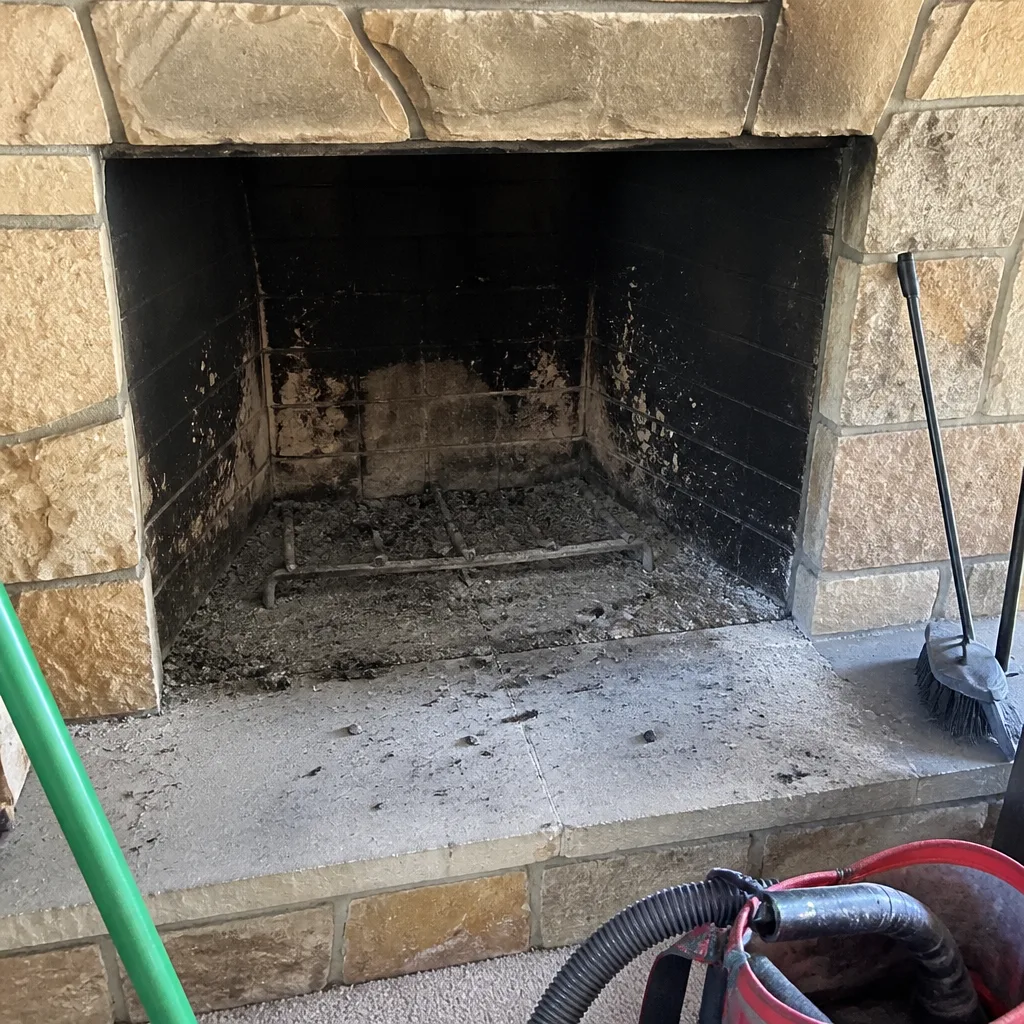 Before
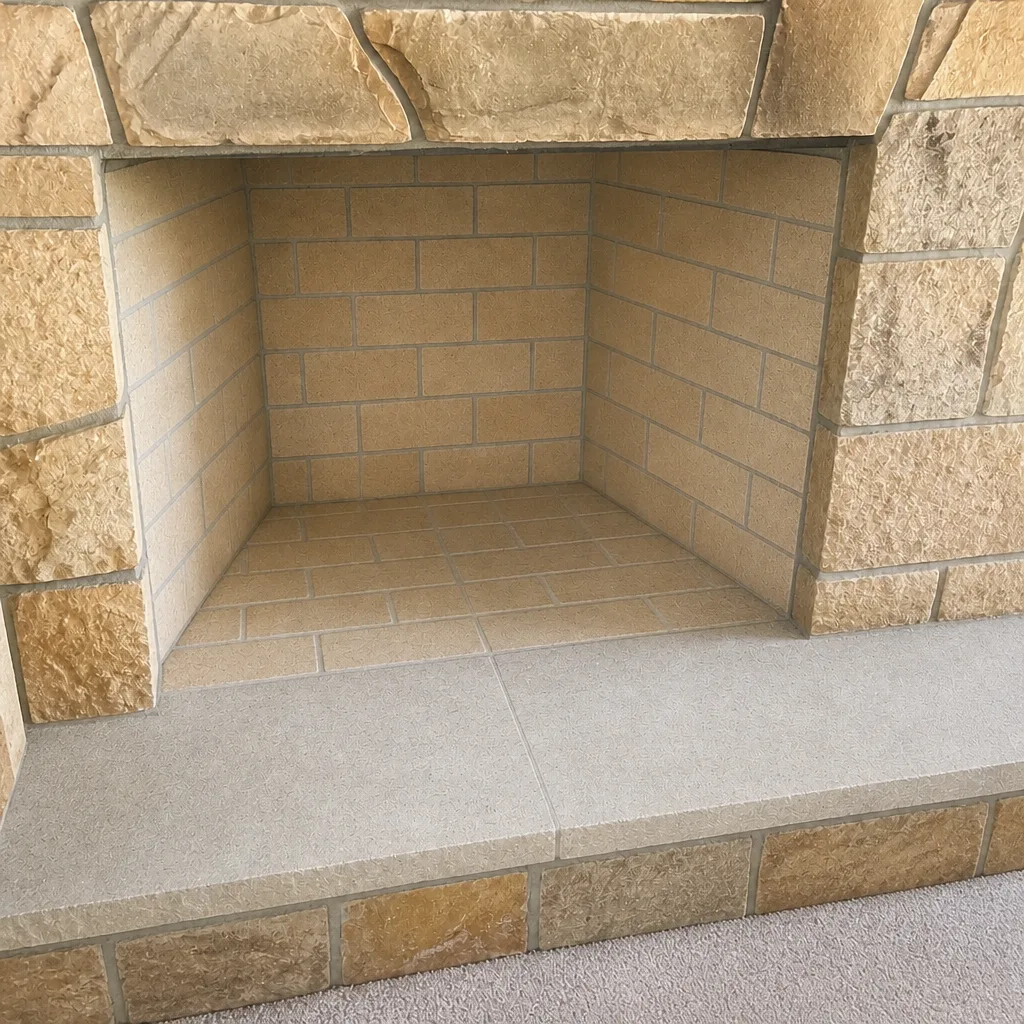 After
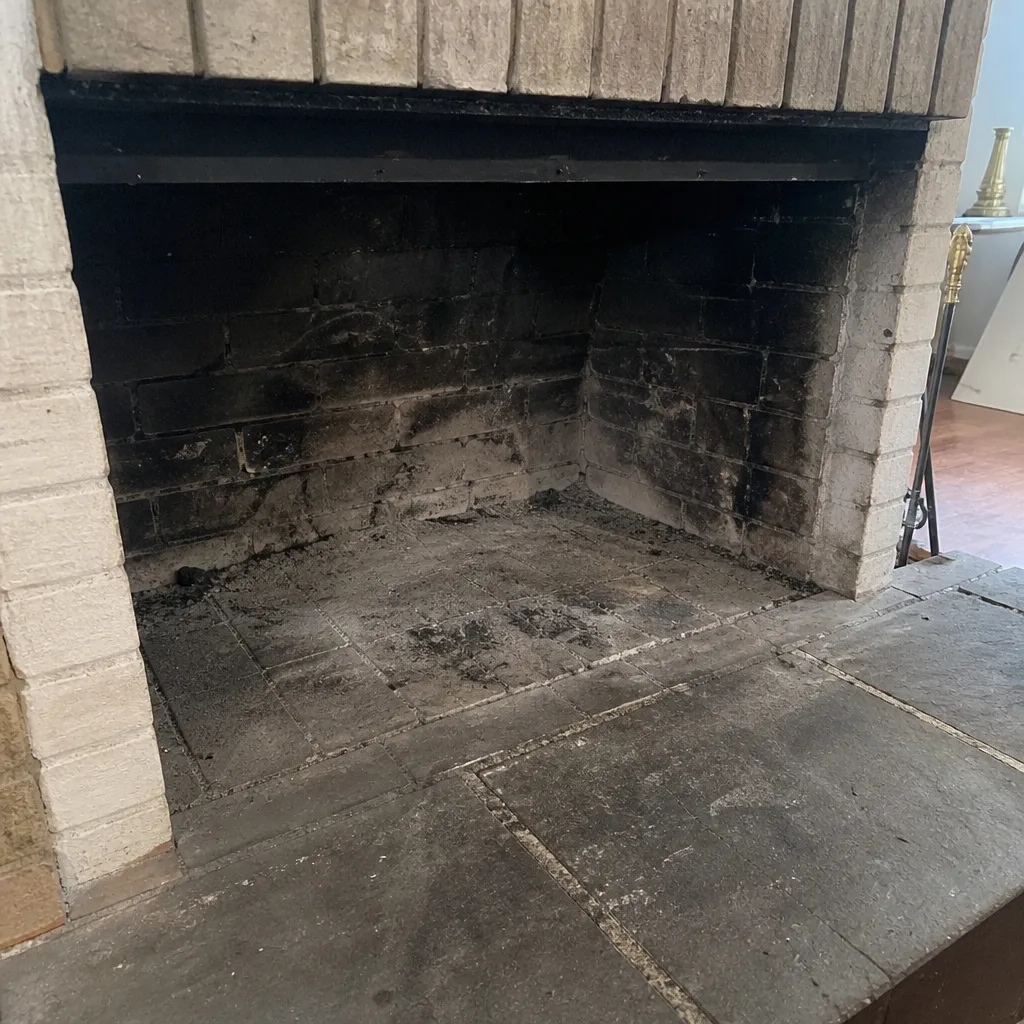 Before
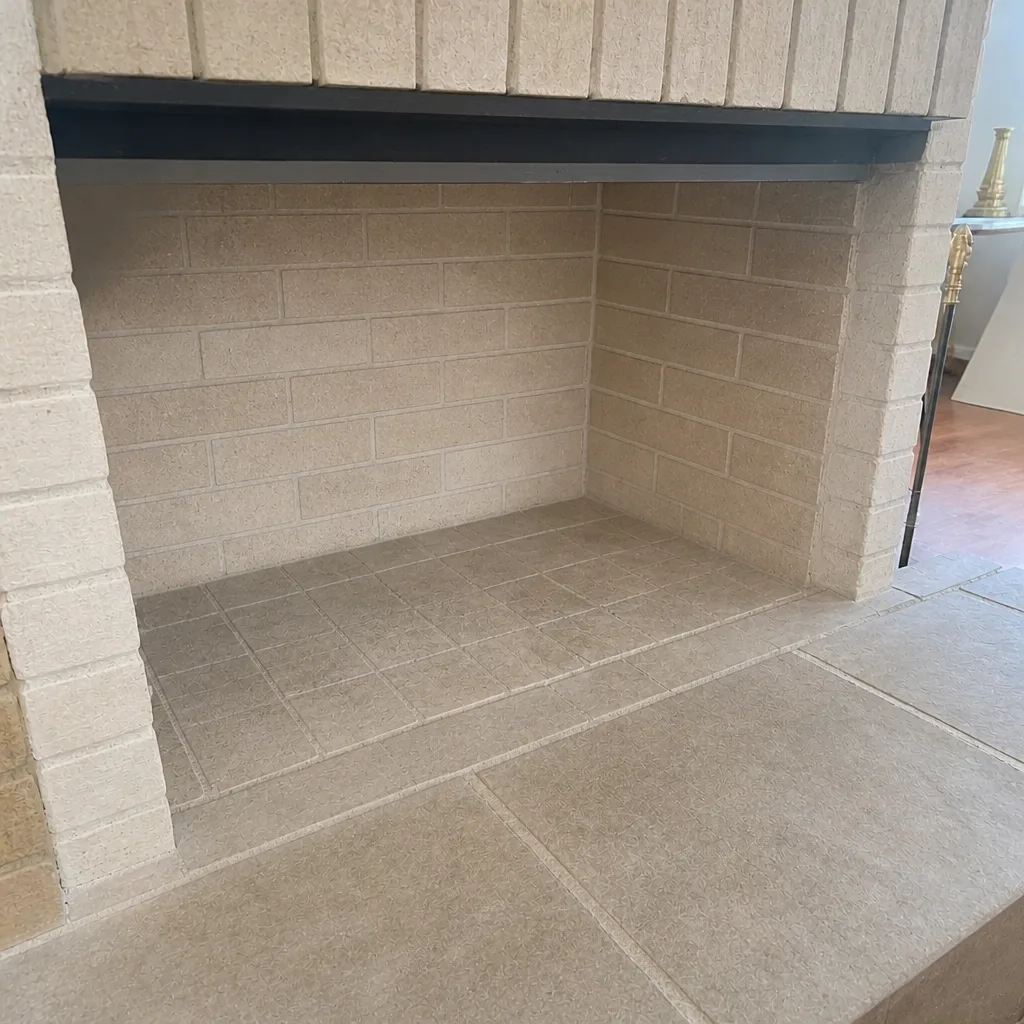 After
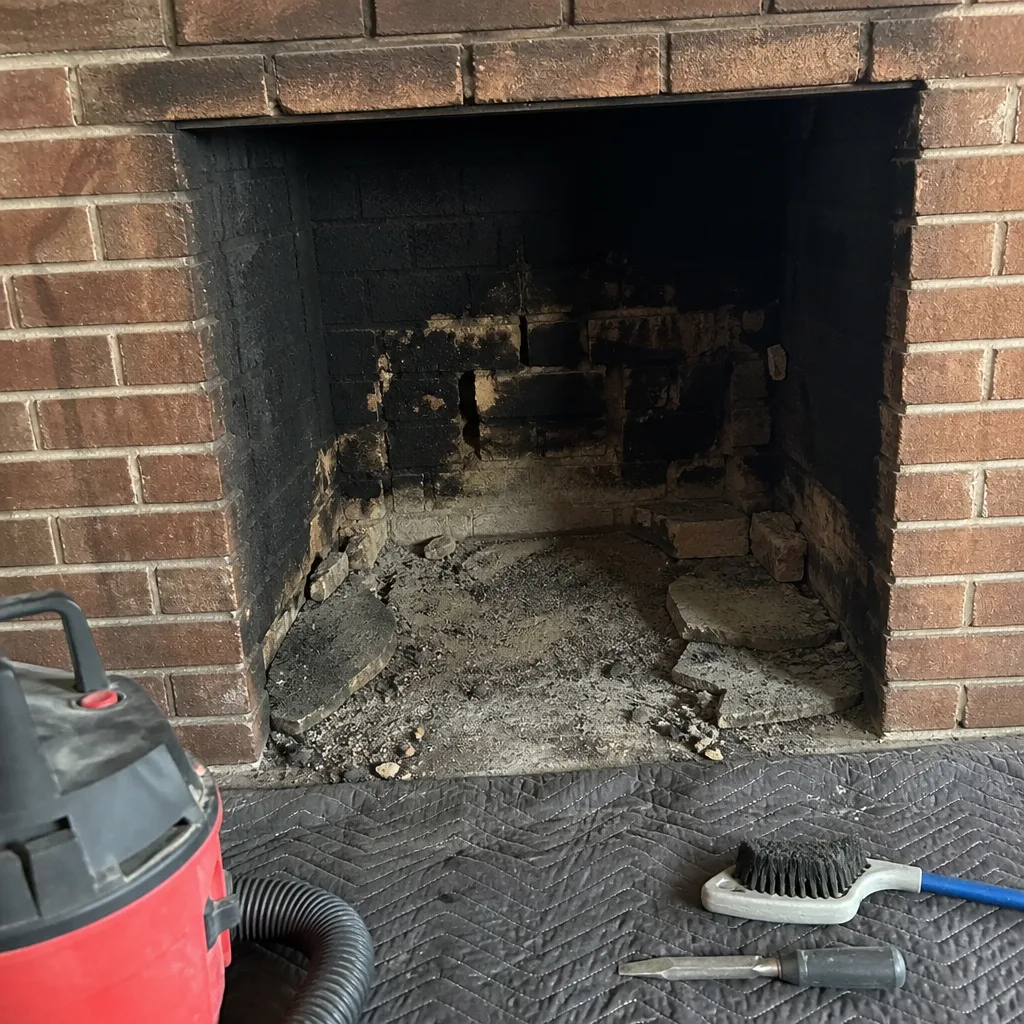 Before
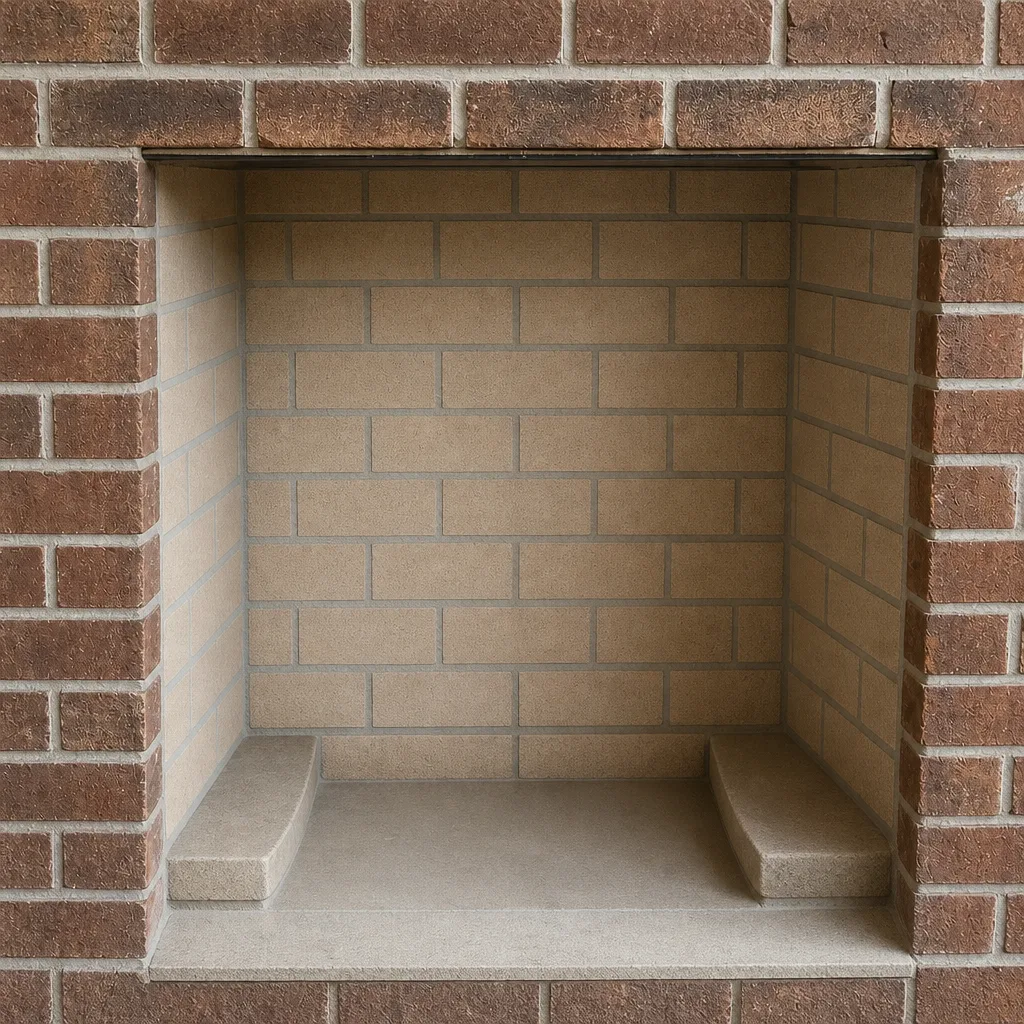 After
When to Call a Professional
Some chimney conditions are diagnostic and some are dangerous. A cold draft that only appears on windy days is worth checking. Smoke rolling back into the room, a persistent odor from the fireplace even when it’s not in use, visible cracking in the firebox or crown, or water staining on the chimney exterior all point to conditions that need a trained eye. A damaged cap that lets animals or rain into the flue is the same story. And if you’ve never had the chimney inspected, or you can’t remember the last time it was, that’s a reason to call on its own.
Don’t wait for a problem to announce itself. The annual inspection is the whole point of the service. If you’re in Commerce City and you need a sweep, an inspection, or an answer about what’s actually going on in your flue, Commerce City Chimney Sweep offers free estimates in Commerce City. Call (855) 619-0680. We answer 24/7. Fast dispatch from 7am to 7pm, Sunday through Friday.
Frequently Asked Questions
Ask for the CSIA Certified Chimney Sweep credential number and look it up in the CSIA’s directory before you book. Call the organization directly if you want to confirm the credential is current. For fireplace and venting work, ask for NFI certification and verify it the same way. A contractor who won’t give you a number to verify is telling you something.
A proper inspection includes a camera run of the full flue, a look at the firebox and damper, and a check of the crown and cap from the roof, with written findings and photos. It should be offered as a standalone service, not only bundled with a cleaning. Our technicians have up to 12 years of experience, and we treat inspection as the diagnosis, not the sales pitch.
No. A sweep cleans the flue. An inspection evaluates its condition and documents what’s found. You need both, and the inspection should come first so the sweep is based on what’s actually there. If a contractor sells you a cleaning without an inspection, you’ve paid for half the job.
The CSIA recommends an annual inspection for every chimney, with sweeping as needed based on what the inspection finds. Wood-burning fireplaces used regularly tend to need a sweep more often than gas appliances. The annual inspection sets the schedule, so you’re not guessing. If you’re in Commerce City, book the inspection before the heating season ramps up.
A cracked flue liner can let heat and carbon monoxide reach combustible framing outside the flue, so a damaged liner means the chimney shouldn’t be used until it’s repaired. Ask to see the camera footage before agreeing to work, and ask what can safely wait. We handle liner work with DuraFlex systems and firebox restoration with HeatShield products, so the diagnosis and the fix come from one call.
The estimate is free. The price itself is set per job by the written estimate, based on what the inspection finds and what the scope includes. Ask for an itemized estimate that separates inspection, cleaning, and any identified repairs, so you can compare quotes fairly. Call (855) 619-0680 for an exact quote.
The Bottom Line
Hiring a chimney contractor in Commerce City is a credentialing question before a pricing one. Verify the CSIA or NFI credential, confirm the contractor owns a flue camera, require an itemized estimate, ask for written findings with photos, and walk away from any pitch that leads with urgency and a number before anyone has been on the roof. Once you’ve done that, the repair recommendations you get are worth trusting, because you can see the evidence behind them. The right contractor tells you what can wait as readily as what can’t. If you’re in Commerce City and you want the full-system version of that conversation, we cover the sweep, the inspection, the fireplace repair, the chimney repair, and the cap and crown, all in one scope, from the firebox to the crown. One call covers the whole system. Call (855) 619-0680 for a free estimate. We answer 24/7. Fast dispatch from 7am to 7pm, Sunday through Friday.
Written by the team at Commerce City Chimney Sweep.